
Industry Portal
Related News
- 00
0000-00
Automotive Product Comparison Charts: How Buyers Can Compare Specs, Cost, and Fit - 00
0000-00
How to Evaluate a Low-Pressure Casting Manufacturer for Automotive Quality Parts - 00
0000-00
NEV configuration features that matter most for long-term reliability - 00
0000-00
Vehicle Lightweighting: Which Materials Cut EV Mass Without Compromising Safety? - 00
0000-00
Matrix Projection Price Guide: Cost Drivers for Automotive Lighting Buyers
NEV configuration features that matter most for long-term reliability
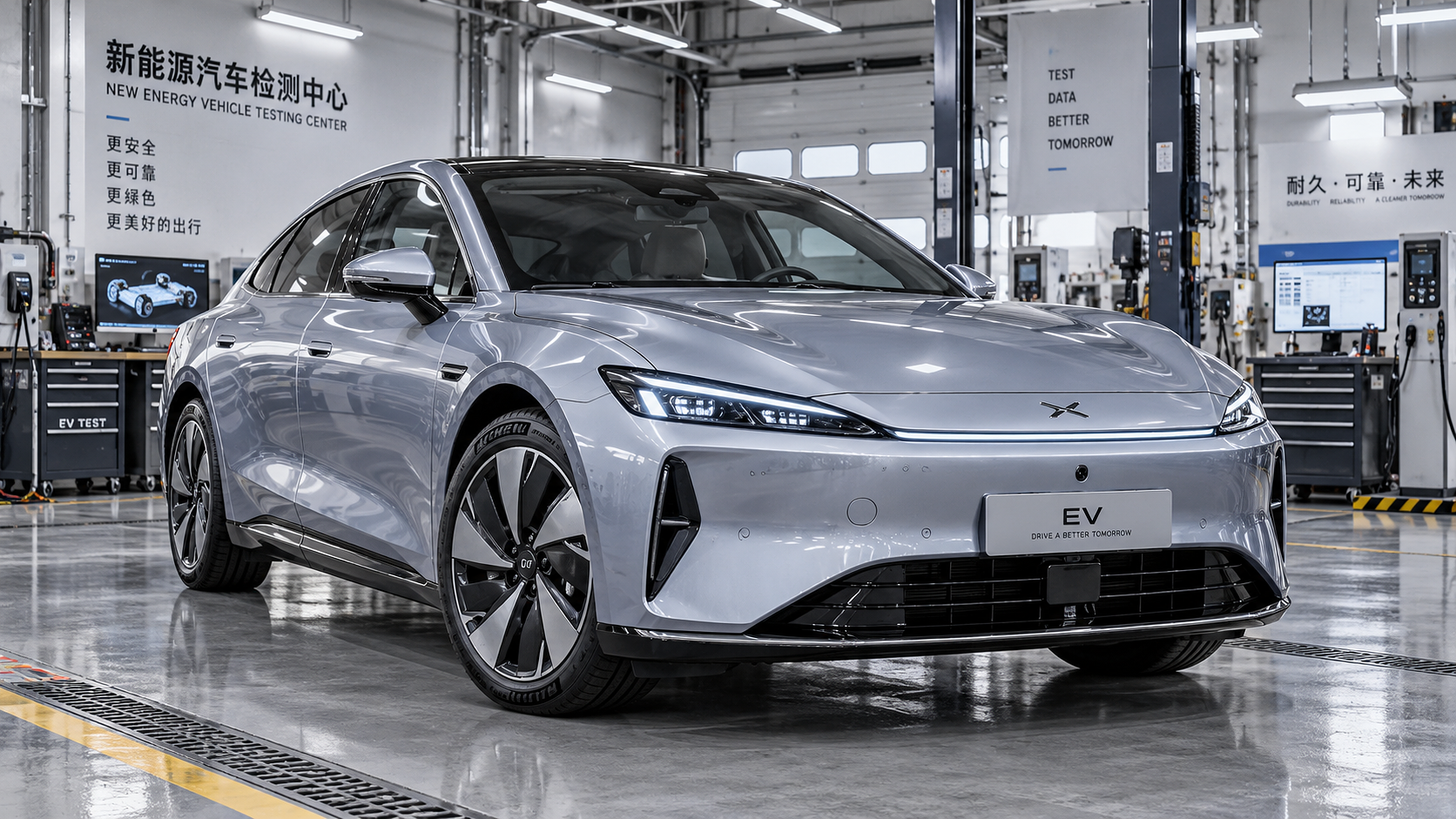
Long-term NEV reliability is shaped by the way exterior, ground-contact, lighting, and sensing systems retain their function after repeated thermal cycles, road impacts, moisture exposure, vibration, software updates, and routine service. Battery capacity and motor output remain important, but they do not reveal whether the vehicle will preserve range, ride quality, visibility, sealing performance, and driver-assistance availability over years of use.
The strongest configurations show evidence of compatibility across connected parts. A low-drag wheel is only a durable choice when its load capability, brake cooling path, tire fitment, and repair limits match the vehicle. A matrix headlamp is only reliable when optical hardware, thermal control, sealing, aiming stability, and control diagnostics work as one system. Looking at any feature in isolation creates many of the wrong conclusions in NEV selection.
Start with load paths, not cosmetic specifications
NEVs place unusual demands on wheels, tires, suspension joints, and body-mounted exterior parts. The battery pack raises vehicle mass, while immediate motor torque loads the tire contact patch more aggressively during launches and regenerative braking. A configuration that feels refined on smooth roads can still develop premature wear when its wheel stiffness, tire sidewall behavior, alignment tolerance, and damping calibration do not suit this load pattern.
For aluminum alloy wheels, the most meaningful distinction is not simply forged versus cast. Forged wheels can offer favorable material continuity and weight control, but the final reliability outcome also depends on spoke geometry, rim profile, machining depth, corrosion protection, valve-seat quality, and the transition zones around bolt holes. Low-pressure cast wheels can be durable when the casting process controls porosity and the design keeps adequate section thickness in impact-sensitive areas. An aggressive lightweight design with thin rim flanges can be less forgiving of pothole strikes regardless of its manufacturing label.
Wheel selection should be read alongside the tire specification. A large wheel diameter and short sidewall can sharpen steering response, yet it transfers greater impact energy into the rim, tire carcass, suspension, and cabin. This trade-off becomes more severe on heavier vehicles used on broken pavement. A slightly smaller wheel with a tire that has adequate load capacity and a more compliant sidewall often delivers a more stable long-term result than an appearance-led package with minimal impact margin.
- Load index and speed capability need to cover the actual curb mass, passenger and cargo condition, and sustained high-speed thermal load rather than the unloaded showroom vehicle.
- Rim width and tire-section compatibility affect bead retention, steering feel, and sidewall support. A tire stretched or compressed beyond its intended fitment can hide problems until it encounters curb impact or low pressure.
- Aerodynamic wheel covers deserve inspection at their clips, thermal clearance around brakes, drainage paths, and service removal method. A low drag surface that rattles, traps debris, or breaks during tire work is not a robust solution.
Brake airflow deserves equal attention. Enclosed wheel designs reduce turbulence, but they can also alter the heat rejection path from brakes. Regenerative braking reduces friction-brake use in many conditions, yet it does not eliminate heat during repeated downhill driving, emergency stops, towing, or operation with a full load. A durable configuration provides purposeful airflow and avoids trim pieces that sit close enough to deform or discolor under repeated heat exposure.
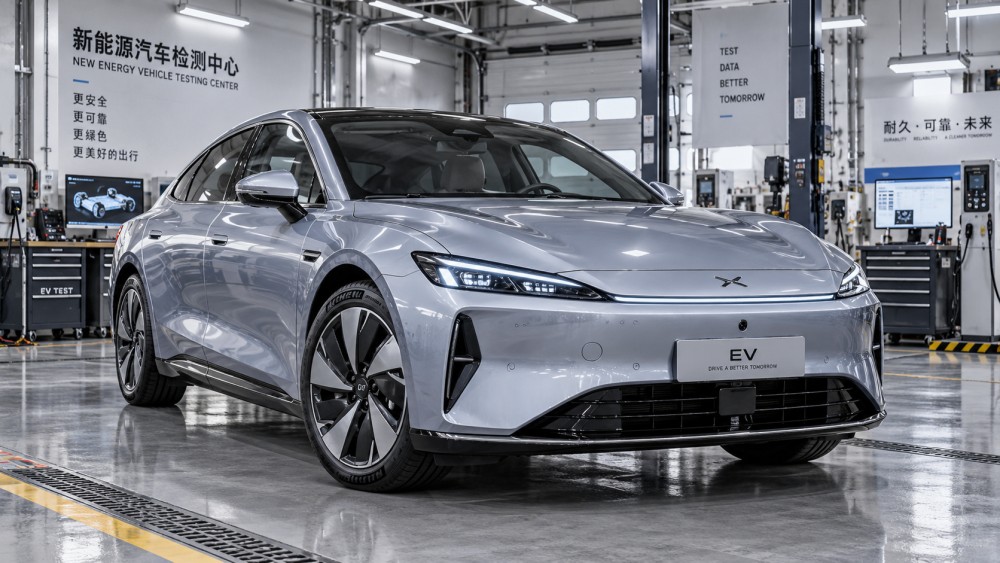
EV-rated tires must balance resistance, grip, and acoustic durability
Low rolling resistance is frequently treated as a direct proxy for efficiency, but the compound and construction behind it matter more than the label. A tire optimized heavily for rolling resistance can lose wet grip, become noisy as the tread hardens, or wear unevenly if the vehicle's torque delivery and alignment are not well matched. Conversely, a very soft, high-grip tire can mask suspension harshness while producing high rolling losses and rapid shoulder wear.
The more reliable choice has a casing designed for the vehicle's load and torque, a tread compound that remains stable through seasonal temperature changes, and a pattern that evacuates water without producing excessive pattern noise. Road noise is not merely a comfort issue in an EV. The absence of engine masking makes cupping, feathering, and irregular wear audible earlier. Those noises can indicate improper toe settings, weak damping, wheel imbalance, or a tire construction mismatch. Replacing tires without identifying the wear mechanism often repeats the same problem.
Self-sealing or acoustic foam tire treatments require a separate service assessment. Internal sealant can reduce the consequence of small tread punctures, but it does not repair shoulder damage, sidewall cuts, bead leaks, or an impact-broken wheel. Foam liners can improve cavity-noise behavior, yet repair procedures must preserve liner adhesion and balance quality. The practical question is whether the specified tire can be inspected, repaired, mounted, and balanced through the intended service network without improvisation.
Headlamp reliability is a thermal and optical stability question
LED headlamp assemblies have long service potential because the light source itself is durable, but the assembly remains vulnerable at the interfaces around it. High-output LEDs, control modules, lenses, heat sinks, fans where fitted, adhesives, seals, and optical elements all experience temperature change. Light output can remain functional while beam quality degrades through haze, condensation, movement of an optical carrier, or loss of accurate leveling.
A dependable headlamp configuration uses a thermal path that remains effective after dust accumulation, road splash, and repeated hot-cold cycles. Passive heat sinks avoid moving parts, but they need sufficient space and airflow. Active cooling can support compact, high-output optics, though fan noise, contamination resistance, diagnostic behavior, and replacement access then become relevant. A housing that dissipates heat well on a bench but is crowded by body panels or under-hood heat sources can behave differently in traffic on a hot day.
For adaptive or matrix lighting, evaluate function retention rather than pixel count alone. The useful questions concern glare-free masking under dirty cameras, behavior when a sensor signal is unavailable, lamp-leveling response after suspension movement, and the fallback beam when part of the system is disabled. A clear degraded mode is preferable to unpredictable switching or a complete loss of expected nighttime illumination. Lens coating resistance also matters: road grit, detergents, ultraviolet exposure, and automated wash chemicals can gradually affect surface clarity and light distribution.
Sealing needs controlled breathing, not absolute enclosure
Condensation inside an exterior lamp does not always indicate a failed unit. Short-lived mist that clears under normal operating conditions can result from pressure equalization and moisture exchange. Persistent droplets, water pooling, repeated fogging that does not clear, or corrosion on internal components point to a sealing, venting, or housing-integrity issue. Vent membranes must exclude liquid water and contaminants while permitting pressure exchange. Their placement must also avoid direct spray paths and blockage by adjacent trim.
The same principle applies to cameras, radar covers, and exterior sensor housings. A clean sensor lens is not enough if its mounting position collects salt spray, mud, ice, or washer fluid residue. Reliable placement considers the local airflow, drainage, thermal behavior, vibration input, and the ability to clean the sensing surface without damaging a coating or moving the sensor alignment.
Sensor switches and body controls need failure behavior that remains understandable
Automatic wipers, automatic headlights, parking sensors, blind-spot functions, and proximity controls depend on small sensing elements that experience a harsh exterior environment. Their reliability rests on connector sealing, harness routing, sensor mounting stiffness, signal filtering, calibration retention, and sensible fallback logic. A switch that functions in a dry static test may become intermittent when water enters a connector, a harness rubs against a bracket, or a sensor bracket changes position after a minor bumper impact.
Photoelectric rain and light sensors are affected by windshield optical quality, adhesive condition, gel coupling, and replacement glass compatibility. A sensor may appear faulty when the actual cause is an air gap in the optical interface or a windshield with different transmission characteristics. Millimeter-wave sensing is similarly sensitive to bumper-cover material, paint thickness, repair materials, mounting angle, and concealed damage behind an apparently intact fascia. Repainting or repairing these areas without preserving the original sensing zone can create false alerts, reduced detection, or calibration faults.
Configuration reliability improves when diagnostic messages distinguish between a blocked sensor, an unavailable environmental condition, a wiring fault, and a calibration issue. These conditions require different corrective actions. Treating every temporary sensor warning as a component failure creates unnecessary replacement work; treating a recurring warning as a weather event delays identification of damaged brackets, degraded connectors, or incompatible body repairs.
Sunroof systems reveal whether the body opening has been engineered for repeated use
An electric sunroof adds a large moving opening to the roof structure, making it a useful indicator of detail engineering. Reliability depends on more than smooth initial movement. The frame must control body flex without distorting guide rails; cables and drive mechanisms need protection from contamination; seals need adequate compression without excessive sliding friction; and drains must remain effective when the vehicle is parked on an incline.
Drain tubes are often misunderstood. Their role is to carry water entering the drain channel away from the body, not to make the roof opening completely water-free. Problems develop when tubes kink during assembly, detach at joints, become obstructed by debris, or discharge where water can re-enter the cabin structure. A sunroof that leaks only during a particular parking angle or after hard braking can point to drainage routing rather than a visibly damaged perimeter seal.
Noise, vibration, and harshness performance should be assessed over different roof states. A panel can be quiet when closed yet develop wind buffeting when tilted, rattling on rough roads, or stick-slip noise during opening after dust accumulates in the tracks. Electrochromic glazing introduces another layer of evaluation: edge sealing, electrical routing through moving or fixed glass interfaces, response uniformity, and behavior after repeated sunlight and temperature exposure all matter. The visual effect of dimming glass should not obscure access for diagnosis or replacement.
Service access and repair boundaries separate robust configurations from fragile ones
Long-term reliability includes the ability to restore a system correctly after ordinary wear, tire replacement, glass replacement, minor collision repair, or exterior trim removal. A configuration becomes fragile when a routine task requires disturbing seals, hidden clips, sensor alignment, wheel aero components, or calibration settings without clear restoration controls.
A sound evaluation therefore follows the physical chain from load or environmental exposure to the component interface, expected degradation mode, diagnostic signal, and repair path. The most reliable NEV configuration features are rarely the most dramatic on a specification sheet. They are the ones whose materials, mounting geometry, thermal paths, drainage, sealing, calibration, and service procedures remain coherent when the vehicle is no longer new.