Industry Portal
Related News
- 00
0000-00
China’s NEV Export Surge Opens Opportunities for Quiet Tire Suppliers - 00
0000-00
Choosing a Photoelectric Sensor OEM Supplier: Quality and Lead Time - 00
0000-00
Japan's Koito Studies Chinese Car Lamps in Bid to Cut Costs 30% - 00
0000-00
Choosing EV Wheels: How Size, Load Rating and Aerodynamics Affect Range - 00
0000-00
Japan's Koito Studies Chinese Automakers' Vehicle Lighting Products
Choosing a Smart Optical Systems Manufacturer: Capabilities and Quality Checks

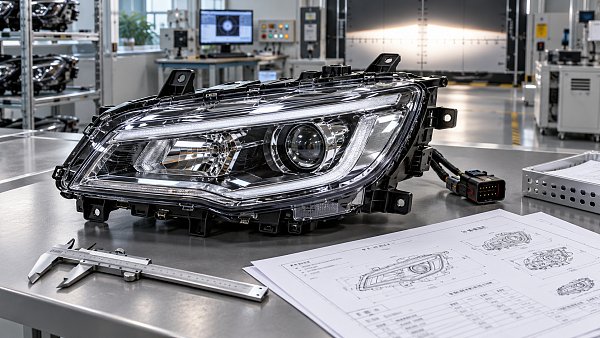
Choosing a smart optical systems manufacturer starts with a distinction: is the supplier being asked to deliver a complete, vehicle-ready lighting assembly, or an optical subsystem that another company will integrate? The right choice depends on that boundary. A competitive component price can become expensive if optical calibration, thermal redesign, regulatory work, or production testing has been left outside the quotation.
For automotive buyers, the strongest candidate is the one that can demonstrate performance against the intended vehicle requirements, produce it consistently, and make its responsibilities visible in the contract. Matrix LED headlights and optical perception components involve different functions and acceptance criteria, so the evaluation should follow the actual application rather than a generic list of capabilities.
Define the Purchase Before Comparing Suppliers
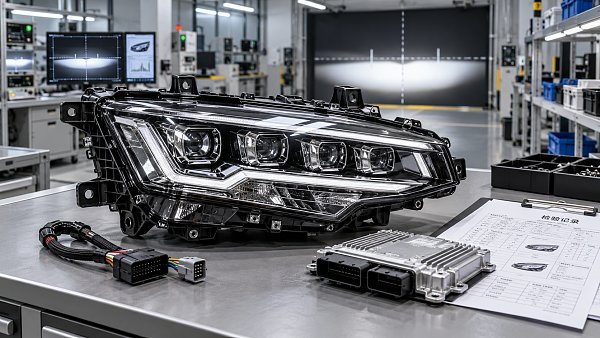
A headlamp program may involve optics, LEDs, electronics, software, housing, thermal management, and final assembly. A perception-related optical module may instead be judged on the quality and stability of the signal delivered to a camera or other downstream system. Some suppliers own the complete design; others manufacture to a customer’s specification or provide a single element.
Before issuing a request for quotation, establish the intended function, vehicle integration constraints, target markets, expected production volumes, and service-life requirements. Identify which party owns the system architecture and which interfaces remain under the buyer’s control. Even an experienced manufacturer cannot quote integration risk accurately if the requirements stop at a component drawing.
For a lighting assembly, the requirements package should address the desired beam functions, electrical interfaces, available installation space, thermal environment, appearance, and applicable regulatory markets. For an optical sensing module, it should define the relevant optical performance, operating conditions, signal interface, calibration responsibilities, and the behavior expected when performance degrades.
The buyer should also separate firm requirements from items still under development. A supplier’s quotation based on a preliminary beam specification or an assumed housing temperature is not directly comparable with one based on a completed requirement set. Ask each bidder to record its assumptions and exclusions in the same format.
Assess Capabilities at the Interfaces
Supplier presentations often describe optical design, electronics, software, and manufacturing as separate competencies. Procurement teams need to understand how those disciplines work together when the complete system is installed in a vehicle.
Optical performance under real constraints
For an LED headlight, request evidence that the proposed optical architecture can achieve the required light distribution within the available package. Review how lens or reflector tolerances, LED positioning, assembly variation, and aim adjustment affect the beam. A simulation is useful for exploring the design, but it does not establish what production assemblies will deliver.
Ask to see the relationship between the design model, prototype measurements, and acceptance limits. If a matrix function is included, establish how individual segments are controlled and how the finished system’s light distribution will be checked. High pixel counts or more individually controlled elements may support a desired function, but neither guarantees useful road performance or compliance on its own.
For perception optics, request the measurements relevant to the module’s intended task and downstream algorithm. The procurement question is whether the supplier can hold the agreed optical and alignment characteristics across operating conditions and production variation, not whether it can quote an impressive isolated specification.
Thermal, electrical, and software integration
Heat affects LED output and can influence the durability of electronics and optical materials. Evaluate the proposed heat path within the actual vehicle package, including the assumptions made about ambient temperature, airflow, mounting surfaces, and operating duty. A bench result obtained with generous cooling may not represent a lamp enclosed behind bodywork.
Where electronics or software are part of the scope, clarify ownership of control logic, calibration, diagnostics, and updates. For adaptive lighting, determine which supplier or vehicle-level system provides the information used to control the beam, and how the interfaces and failure responses will be validated. A lamp manufacturer’s ability to supply controllable segments is different from responsibility for the complete vehicle-level adaptive function.
These boundaries matter commercially. If a late vehicle packaging change increases operating temperature, the contract should make clear who evaluates the effect, who approves a design change, and how the resulting cost and timing are handled.
Production capability beyond the prototype
A prototype can demonstrate feasibility while leaving major production questions open. Ask where critical operations will take place, which processes are automated, and how the supplier controls alignment, dispensing, sealing, electrical connections, and end-of-line inspection. The relevant processes depend on the design, but the supplier should be able to connect each important product characteristic to a manufacturing control.
Review capacity against the expected launch ramp and later demand, including the availability of constrained components and tooling. A supplier may have adequate nominal capacity but limited flexibility if a specialized optical process or test station is shared across programs. Ask how capacity assumptions change when product variants, maintenance, rejected units, and engineering changes are included.
Quality Checks That Support a Sourcing Decision
Quality evidence should show more than a pass result. Procurement needs to know what was tested, which product configuration was used, how the test relates to the intended application, and whether the results can be traced to the manufacturing process proposed for the program.
- Design validation: Review the test plan and reports for optical performance, electrical operation, thermal exposure, vibration, environmental sealing, and material durability as applicable. Check that the sample configuration and operating conditions represent the intended product.
- Production validation: Establish how the supplier will demonstrate that the production process can repeatedly meet agreed requirements, including the treatment of critical dimensions, alignment, and test equipment.
- End-of-line testing: Ask which functions and characteristics are checked on every unit, which are sampled, and what happens to a unit that fails. Test limits should be tied to product requirements.
- Traceability: Define how finished assemblies link to production records, test results, component lots, and software or calibration versions where relevant. Agree how quickly records must be accessible and how long they must be retained.
- Change control: Require notification and approval rules for changes to materials, optical components, production sites, tooling, software, or critical sub-suppliers. Specify when revalidation is necessary.
Look closely at reports based on engineering samples. They can support a design decision, but they do not automatically qualify a later production process or a revised component. Any gap between the tested configuration and the quoted production configuration should be visible in the validation plan, with an owner and a completion point.
For an existing supplier, historical quality information can help assess execution, provided it relates to comparable products and processes. For a new supplier, an audit or technical review can examine process controls, test records, handling of nonconforming material, and corrective-action practices. The depth of the review should reflect the consequence of failure and the supplier’s actual scope.
Assign Regulatory Responsibility Early
Vehicle lighting requirements vary by market and function. A project may need to address UNECE regulations, U.S. Federal Motor Vehicle Safety Standards administered by the National Highway Traffic Safety Administration, or other applicable national requirements. “ECE compliant” or “DOT compliant” in a quotation is too broad to establish that a particular configuration is suitable for every target vehicle and market.
List the intended markets and lighting functions in the purchasing documents, then identify the applicable requirements with the responsible regulatory specialists. Ask what evidence the supplier will provide, which configuration it covers, and whether approval, certification, or compliance responsibilities sit with the component supplier, the vehicle manufacturer, or another party under the relevant framework.
Do not assume that a previously approved lamp or component retains the same status after a material design change, a new installation, or use in a different market. Agree on the review process for such changes before tooling and launch decisions make them costly.
Compare Total Program Cost, Not Just Unit Price
A useful comparison separates recurring piece price from the costs and assumptions surrounding it. Tooling, engineering, validation, test equipment, software, calibration, packaging, freight, duties where applicable, and service support can all affect the commercial outcome. The relative importance of each item depends on volume, program duration, and what the buyer is purchasing.
Request a common cost breakdown and identify whether charges are one-time, recurring, volume-dependent, or triggered by a change. For example, a lower piece price may rely on a production volume the buyer cannot commit to, while another offer may include validation or dedicated test fixtures that the first lists separately. Compare both offers against the same volume and scope assumptions before ranking them.
Scrutinize the cost of variation as well as the baseline design. Ask how the supplier prices additional beam variants, new software functions, revised cosmetic requirements, or a change in production location. Where tooling is paid for by the buyer, the agreement should address ownership, maintenance, access, and transfer conditions. For long programs, clarify how component obsolescence and replacement parts will be handled.
Schedule risk belongs in the commercial discussion. A quotation with a shorter lead time is meaningful only if it identifies the design freeze, tooling release, validation, and production readiness milestones on which that date depends. Unresolved interfaces or missing test capacity can move cost into expedited engineering and launch recovery even when the initial price looks attractive.
Turn the Shortlist Into Contractual Commitments
Before nomination, bring procurement, engineering, quality, and regulatory teams together around the remaining gaps. A concise supplier comparison should show the proposed scope, evidence available for each critical requirement, open validation work, manufacturing location, capacity assumptions, commercial exclusions, and the party responsible for each interface.
Then convert the decision into measurable deliverables: approved specifications, a validation plan, production acceptance criteria, traceability requirements, change-control rules, and a schedule with clear dependencies. Where evidence is still incomplete, link the outstanding work to a defined program milestone and agree on the consequences if requirements are not met.
The best-priced proposal is the one that remains competitive after those responsibilities are included. If a supplier cannot explain how a critical optical characteristic will be achieved, tested, and controlled in production, the unresolved work is part of the purchase price even when it does not appear on the quotation.
Have questions about this sector analysis, or seeking best practices specific to your niche? Drop us a line below and let the senior consultants at AEVS assist you.
Related News
 Commercial InsightsChoosing a Smart Optical Systems Manufacturer: Capabilities and Quality ChecksChoose a smart optical systems manufacturer with confidence. Compare automotive capabilities, quality checks, compliance, and total program costs.MORE+
 Commercial InsightsChoosing an Aftermarket Wheels Manufacturer: Quality and Lead TimesChoosing an aftermarket wheels manufacturer? Compare quality controls, test evidence, lead times and landed costs to source with confidence.MORE+
 Commercial InsightsLow-MOQ Private Label Tires: How to Evaluate Suppliers and CostsPrivate label tires low MOQ: discover how to compare suppliers, calculate landed costs, verify compliance, and launch your tire brand with confidence.MORE+
 Commercial InsightsEvaluating Automotive Solution Suppliers: What to Ask Customer ReferencesAutomotive solution reference buyers: discover what to ask customer references to uncover quality risks, verify delivery claims, expose hidden costs, and choose suppliers with confidence.MORE+
 Commercial InsightsBuying LED Headlight Assemblies in Europe: Approval and Fitment ChecksSourcing LED headlight assemblies Europe-wide? Discover key approval, beam pattern and vehicle fitment checks to avoid costly mistakes and buy with confidence.MORE+
 Commercial InsightsChoosing a Precision Forging Supplier: Tolerances, Traceability, and Lead TimesChoose a precision forging supplier with confidence. Learn how to verify tolerances, traceability, and lead times to reduce sourcing risks and secure reliable production.MORE+
 Commercial InsightsOver 200 Taiwan Auto Parts Suppliers Target U.S. Buyers at AAPEX 2026Explore 200+ Taiwan auto parts suppliers at AAPEX 2026 in Las Vegas, November 3–5. Discover headlights, collision parts and smart aftermarket solutions for U.S. buyers.MORE+
 Commercial InsightsChoosing a Smart Headlight Distributor: Fitment, Compliance, and Warranty SupportChoose a smart headlights distributor with confidence. Learn how to verify fitment, compliance, and warranty support to reduce costly returns and compare true installed costs.MORE+
 Commercial InsightsMichelin Defender LTX Platinum Tops 2026 Truck and SUV Tire Mileage RankingMichelin Defender LTX Platinum leads the 2026 truck and SUV tire mileage ranking with over 104,000 miles in Treadwell testing. Discover what this means for long-term tire value.MORE+
 Commercial InsightsAluminum Price Fluctuations: Fixed vs. Indexed Supply ContractsNavigate the raw material cost fluctuations aluminum buyers face. Compare fixed vs. indexed contracts, uncover hidden risks, and choose supply terms that protect your margins.MORE+
 Commercial InsightsAutomotive Product Comparison Charts: How Buyers Can Compare Specs, Cost, and FitAutomotive product comparison chart guide for buyers to evaluate specs, total cost, compliance, supplier capability, and vehicle fit for smarter sourcing decisions.MORE+
 Commercial InsightsVan Tire Comparison: Which Specifications Protect Delivery Fleet Uptime?Which commercial van tires should a delivery fleet be comparing when uptime is the governing constraint? Compare load, casing, tread, wet grip, and supply to reduce downtime.MORE+
 Commercial InsightsWhen Does a New Fleet Tire Supplier Repay the Loss of Fitment Data?Changing supplier would cost us a season of fitment data—learn which fleet tire specifications justify switching across 60 vans, from load capacity to wear, wet grip, and EV efficiency.MORE+
 Commercial InsightsQualifying Imported Tires: A Buyer Checklist for Testing, Traceability, and CustomsQualifying imported tires made practical: use this buyer checklist to verify testing, traceability, labeling, and customs documents before ordering.MORE+
 Commercial InsightsHow to Vet a Tire Compliance Supplier for Documentation, Testing, and Recall RiskTire compliance supplier vetting made practical: evaluate documentation, testing controls, traceability, and recall readiness to reduce safety and market-entry risk.MORE+
 Commercial InsightsWhat Supplier Risks Should NEV Buyers Check Before Part Approval?How can vehicle aesthetics be improved without increasing drag? Discover essential NEV supplier-risk checks for traceability, change control, compliance, capacity, and reliable part approval.MORE+
 Commercial InsightsHow Do ECE, DOT, and CCC Rules Differ for Exterior Components?How do ECE, DOT, and CCC rules differ for exterior components? Compare approval, testing, labeling, and compliance strategies to speed global market access.MORE+
 Commercial InsightsHow to Evaluate a Low-Pressure Casting Manufacturer for Automotive Quality PartsLow-pressure casting manufacturer evaluation guide for automotive quality parts—compare process control, tooling, traceability, certifications, capacity, and total cost before sourcing.MORE+
 Commercial InsightsAn automotive supplier assessment that reveals quality-system riskAutomotive supplier assessment insights that uncover quality-system risks, strengthen traceability, and protect safety, compliance, and supplier performance.MORE+
 Commercial InsightsHow to verify automotive supplier capacity before a production ramp-upAutomotive supplier capacity verification: assess bottlenecks, tooling, quality yield, sub-tier supply, and recovery plans before production ramp-up.MORE+
 Commercial InsightsNEV configuration features that matter most for long-term reliabilityWhat are the most reliable NEV configuration features? Explore durable wheels, EV tires, lighting, sensors, sunroofs, and service-ready design for lasting confidence.MORE+
 Commercial InsightsTyre Retreading Machine Inspection Before Reconditioning a Used UnitTyre retreading machine inspection guide: assess safety, structure, controls, heat, pressure and vacuum systems before reconditioning a used unit.MORE+
 Commercial InsightsAutomotive Exterior and Vision Systems: Supplier Qualification ChecklistAutomotive Exterior & Vision Systems procurement checklist: qualify suppliers for sunroofs, wheels, tires, LED lamps, and sensors with confidence.MORE+
 Commercial InsightsAutomotive Component Sourcing in China: How Buyers Verify Quality, Cost, and Supply RiskAutomotive component sourcing China: learn how to verify supplier quality, total landed cost, compliance, and supply risk for reliable wheels, tires, lighting, and EV components.MORE+
 Commercial InsightsHow to Evaluate a Replacement Tire Manufacturer for Fleet Uptime and Cost ControlReplacement tires manufacturer evaluation guide for fleets: compare uptime, cost per kilometer, durability, supply reliability, and pilot performance.MORE+
 Commercial InsightsVehicle Lightweighting for Automotive Design: Balancing Mass, Safety, and CostVehicle lightweighting for automotive design: explore practical strategies to balance mass, EV range, safety, durability, cost, and smart exterior system performance.MORE+
 Commercial InsightsPrivate Label Tire Export: Evaluating Suppliers, Compliance, and Landed CostPrivate label tires export guide: evaluate suppliers, compliance, quality control, warranty terms, and landed cost to build a profitable, reliable tire brand.MORE+
 Commercial InsightsHow to Evaluate a Vehicle Exterior Systems Manufacturer for OEM ProgramsVehicle exterior systems manufacturer selection can make or break OEM programs. Learn how to assess engineering, quality, cost, compliance, and launch readiness before sourcing.MORE+
 Commercial InsightsWhich Tire Compliance Standards Matter Most for Road Safety and Market Access?Automotive compliance standards tires teams must track most: ECE, DOT, labeling, and production controls. Learn what protects road safety, avoids recalls, and secures market access.MORE+
 Commercial InsightsWhat Determines Automotive Vision Systems Accuracy in ADAS Detection?Automotive vision systems accuracy depends on optics, calibration, latency, and environmental robustness. Learn what truly drives reliable ADAS detection in real-world conditions.MORE+
 Commercial InsightsHow to Evaluate a Precision Forging Supplier for Complex Auto PartsPrecision forging supplier evaluation for complex auto parts: learn how to assess process control, tooling, heat treatment, traceability, and total cost to reduce risk and choose a reliable source.MORE+
 Commercial InsightsHow to Evaluate OEM Sourcing References for Automotive Solution Projects?Automotive solution reference OEM sourcing starts with credible proof. Learn how to verify supplier quality, compliance, delivery, and execution records to reduce project risk and choose with confidence.MORE+
 Commercial InsightsVehicle Lightweighting for EVs: Which Materials Deliver Range Gains Without Costly Trade-Offs?Vehicle lightweighting for EVs: discover how aluminum, AHSS, polymers, and selective composites can boost range while controlling cost, safety, and manufacturing trade-offs.MORE+
 Commercial InsightsLow-Pressure Casting Process Explained: Steps, Benefits, and Ideal Alloy ApplicationsLow-pressure casting process explained for automotive and industrial buyers: learn key steps, porosity benefits, alloy fit, and how it compares with gravity casting, die casting, and forging.MORE+
 Commercial InsightsHow to Evaluate an NEV Exterior Components Exporter for Global OEM ProgramsNEV exterior components exporter selection starts with program fit, compliance, and launch control—not price alone. Learn how to assess OEM readiness, cost transparency, and global delivery risk.MORE+
 Commercial InsightsHow to Evaluate an Automotive Sensor Systems Distributor for OEM and Aftermarket SupplyAutomotive sensor systems distributor selection affects quality, compliance, and supply continuity. Learn how to assess OEM and aftermarket capabilities before you buy.MORE+
 Commercial InsightsHow to Verify Replacement Tires Are ECE Approved Before Fleet Purchase?Replacement tires ECE approved verification starts with marks, documents, and supplier traceability. Learn how fleets avoid compliance risks, wrong specs, and costly purchase mistakes.MORE+
 Commercial InsightsHow to Evaluate a NEV Exterior Components Exporter for Quality, Capacity, and ComplianceNEV exterior components exporter selection starts with quality, capacity, and compliance. Discover a practical guide to reduce sourcing risk and choose a reliable long-term partner.MORE+
 Commercial InsightsAutomotive Exterior & Vision Systems Pricing: What Drives Cost in OEM and Aftermarket Supply?Automotive Exterior & Vision Systems pricing explained: discover how materials, compliance, tooling, and supplier capability shape OEM and aftermarket costs—and how smarter sourcing protects margin.MORE+
 Commercial InsightsDOT Compliant Lighting Bulk Orders: What Fleet Buyers Should Verify Before PurchaseDOT compliant lighting bulk buyers should verify true certification, beam performance, durability, supplier consistency, and warranty terms before purchase to reduce fleet risk and total lifecycle cost.MORE+