Industry Portal
Related News
- 00
0000-00
China’s NEV Export Surge Opens Opportunities for Quiet Tire Suppliers - 00
0000-00
Choosing a Photoelectric Sensor OEM Supplier: Quality and Lead Time - 00
0000-00
Japan's Koito Studies Chinese Car Lamps in Bid to Cut Costs 30% - 00
0000-00
Choosing EV Wheels: How Size, Load Rating and Aerodynamics Affect Range - 00
0000-00
Japan's Koito Studies Chinese Automakers' Vehicle Lighting Products
Vehicle Lightweighting Materials: Comparing Steel, Aluminum and Composites
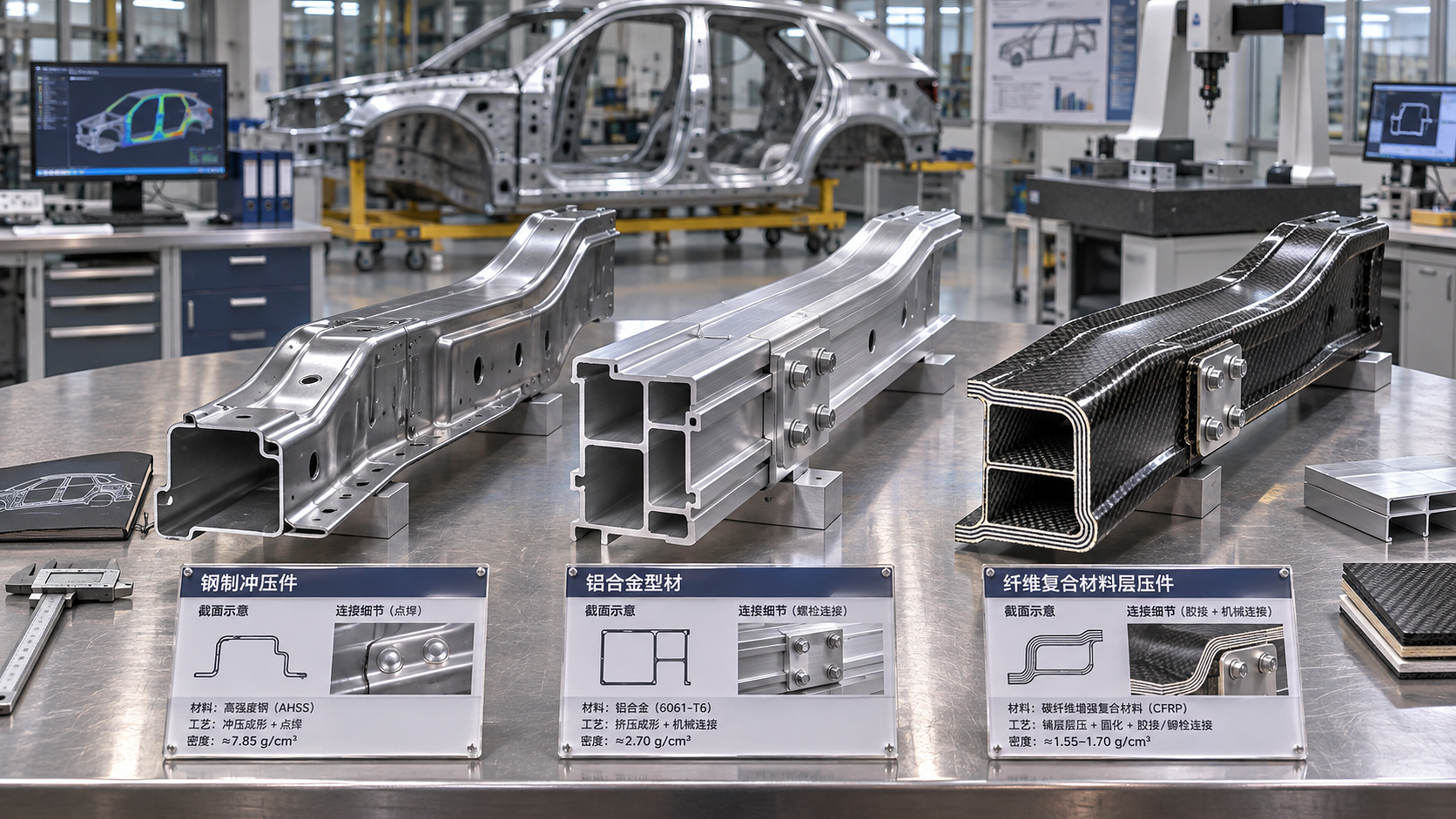
When a vehicle component exceeds its mass target, replacing steel with aluminum or a composite can appear to be the quickest answer. But a lighter material does not automatically produce a lighter, cheaper or equally durable assembly: thickness, reinforcements, joints, manufacturing yield and repair requirements can change the result.
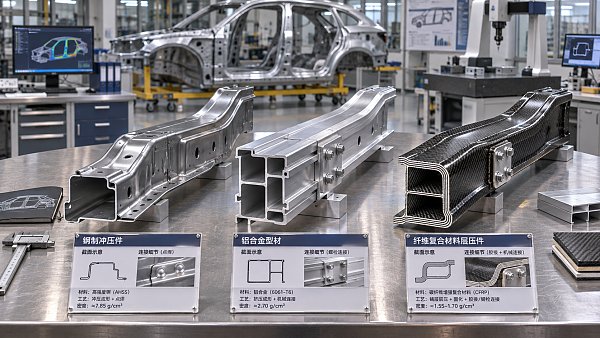
For most evaluations, advanced high-strength steel is a strong starting point where structural efficiency, established manufacturing and cost control matter. Aluminum is attractive when lower component mass justifies material and process changes. Fiber-reinforced composites can deliver substantial mass savings in suitable designs, but their performance depends heavily on fiber direction, production method and inspection strategy. Compare complete designs against the same load cases—not material density alone.
Start with the component’s limiting requirement
The choice of vehicle lightweighting materials changes with the function of the part. A crash rail, an exterior panel and a wheel experience different loads and have different failure consequences. Before requesting alternative designs, define the requirements that actually govern geometry and mass.
- Strength and crash: Identify peak loads, allowable deformation, energy absorption requirements and the intended failure sequence. Static strength alone does not establish crash performance.
- Stiffness and stability: Check bending, torsion, local buckling and vibration. A material substitution that meets strength targets can still need added thickness or reinforcement to control deflection.
- Durability and environment: Specify fatigue loading, temperature, moisture, corrosion exposure, stone impact and any chemical contact relevant to the part.
- Interfaces: Include attachment points, dimensional tolerances, sealing, electrical continuity and compatibility with neighboring materials.
- Production and service: Establish expected volume, available equipment, inspection access and the intended repair or replacement approach.
Use the existing assembly as the baseline, including fasteners, coatings, adhesives and local reinforcements. An alternative should meet the same functional targets unless a requirement is deliberately changed and approved. This prevents a thin material coupon or a simplified prototype from being compared with a fully engineered production part.
Steel, aluminum and composites at a glance
These are material-family tendencies, not specifications. A grade of high-strength steel, a casting alloy and a carbon-fiber laminate cannot be selected reliably from the family name alone. Request properties for the intended product form, processing condition and temperature range.
Where steel remains difficult to displace
Steel is often the practical reference for body structures because it offers a wide selection of grades and mature forming and joining routes. Advanced high-strength steels can improve strength without simply adding thickness. In a crash-sensitive structure, that can allow the designer to distribute strength and deformation characteristics across different regions rather than applying one material everywhere.
The complication is that higher strength does not solve every constraint. A panel controlled by stiffness or dent resistance may not benefit from the same gauge reduction as a strength-limited bracket. Formability, springback, edge cracking and tool wear can also become more challenging as grades change. Some high-strength steel processes require different thermal or tooling conditions, which must be included in the manufacturing assessment.
Steel is particularly persuasive when the existing line, joining sequence and repair infrastructure can be retained. It deserves a closer comparison when an aluminum or composite proposal reduces raw part mass but adds inserts, joining steps or local reinforcements. Conversely, retaining steel solely because the current process is familiar can overlook opportunities to redesign a mass-critical component.
Aluminum: assess geometry and joining, not just density
Aluminum’s lower density makes it a frequent candidate for closures, structural members and wheels. Its elastic modulus is also lower than steel’s, so a direct substitution at the same thickness will generally be less stiff. A viable design may use a thicker section, altered cross-section, ribs or an extrusion profile to recover stiffness while still reducing mass.
Production form matters. Sheet alloys must support the required forming operations and surface quality; extrusions offer section-design freedom but impose directional and joining constraints. Castings can integrate features, though local thickness, porosity control and inspection affect suitability. Forged components offer a different balance of process cost, geometry and mechanical properties. These routes should not be treated as interchangeable simply because they all use aluminum.
Review joints early. Dissimilar-metal contact can create galvanic corrosion risk in the presence of an electrolyte, making isolation, sealing and drainage relevant to the design. Welding, mechanical fastening and adhesive bonding each have different effects on access, cycle time and structural performance. Heat from welding can alter local properties in some alloys, so the joint must be evaluated in its manufactured condition rather than assumed to match the parent material.
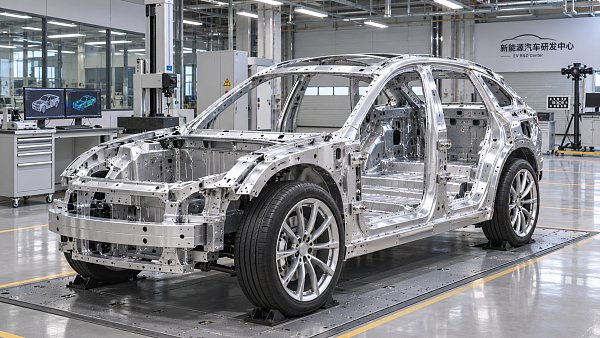
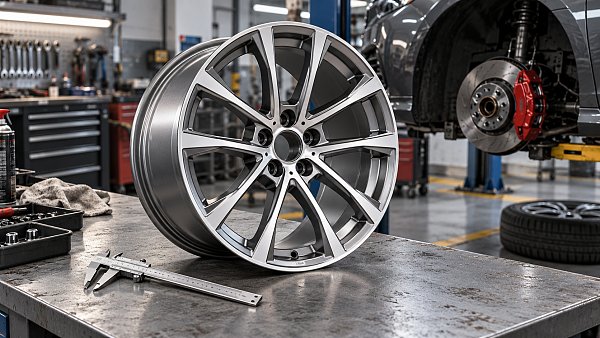
For an aluminum wheel, the mass comparison must include the required fatigue and impact performance, mounting interfaces and manufacturing route. Lower wheel mass can be valuable, but removing material from a spoke or rim without evaluating local loads and durability is not a defensible lightweighting method. Aerodynamic features and brake-clearance requirements may also affect the final geometry.
Composites: design around the load path
Fiber-reinforced composites are not a single material. Carbon- and glass-fiber systems, for example, use different fibers, resins and architectures. Their properties depend on fiber orientation, stacking sequence, fiber content, curing or consolidation, and the quality of the finished part. Strength in one direction should not be assumed to apply equally in another.
Composites are most compelling when the design can place reinforcement along known load paths, combine features or avoid a large number of separate parts. A flat material-for-material replacement may capture less value. Concentrated fastener loads, holes, sharp transitions and joints often require local reinforcement or inserts; those additions belong in the mass and cost model.
Impact tolerance is another selection boundary. A surface may look acceptable after an event while internal damage reduces residual capability. Define the expected impact threats, acceptable damage limits and inspection method before choosing the laminate. Temperature, moisture and chemical exposure can also influence the resin and interface behavior, so test conditions should represent the intended service environment.
Manufacturing volume can determine whether the concept is viable. Layup-intensive processes, automated placement and molded approaches have different tooling, labor, cycle-time and scrap implications. A prototype made by one route does not automatically demonstrate that another route will deliver the same fiber alignment, void content or mechanical performance.
Compare complete designs on a common basis
Once candidate materials have passed an initial feasibility screen, carry each one through the same comparison. The goal is not to prove that one family is universally best, but to expose where the proposed mass saving comes from and what must change to obtain it.
- Set a functional baseline. Document the current assembly mass, interfaces, load cases, durability targets and production assumptions. Record which requirements are mandatory and which can be negotiated.
- Develop material-specific concepts. Allow section shape, thickness and reinforcement to change. Rejecting a material because a direct substitution fails can be as misleading as accepting one without redesign.
- Model and test critical conditions. Use representative material data and joint properties in analysis, then correlate the assumptions with component or assembly tests. Include crash, fatigue, stiffness, environmental exposure or impact as applicable.
- Calculate assembly-level mass. Add inserts, fasteners, coatings, adhesives and any changes to adjacent parts. Record mass differences separately from estimated vehicle-level effects.
- Build a production cost model. Include material yield, scrap, tooling, equipment, energy, labor, cycle time, inspection and joining. State volume and utilization assumptions so that comparisons can be revised.
- Review service and end of life. Determine whether damage can be inspected and repaired, or whether replacement is expected. Check available recycling routes and the practical separation of mixed-material joints.
Keep simulation uncertainty visible. A concept may meet a stiffness target on paper while depending on an unvalidated adhesive property, an idealized weld or a laminate quality level that is difficult to maintain. Flag those assumptions for testing rather than treating the calculated mass as a production commitment.
Make the trade-off explicit
When two concepts satisfy the technical requirements, express the extra cost relative to the mass saved at assembly level. This gives the team a consistent way to compare alternatives, but it is not a complete decision rule: a design may also change tooling risk, supply availability, corrosion protection or repair costs. For an electric vehicle, avoid converting a component mass reduction directly into a promised range gain without a vehicle-level energy model and representative operating conditions.
Recycling deserves the same specificity. Steel and aluminum have established recycling routes, but alloy separation, coatings and mixed-material construction influence actual recovery. Composite recycling depends on the fiber and resin system and on local processing options; recovery of material is not necessarily equivalent to reuse at the original structural performance. Ask suppliers to describe the route for the proposed part, including bonded joints and inserts.
A defensible selection therefore ends with a documented design and evidence, not a material label. Retain steel when it meets the mass target with lower implementation risk; choose aluminum when the redesigned assembly delivers a justified mass reduction; advance a composite when its load-path advantages survive production, damage-tolerance and service evaluation. Where the evidence is incomplete, identify the test or manufacturing trial that could change the decision before committing to tooling.
Have questions about this sector analysis, or seeking best practices specific to your niche? Drop us a line below and let the senior consultants at AEVS assist you.
Related News
 Latest Sector NewsChina’s NEV Export Surge Opens Opportunities for Quiet Tire SuppliersChina’s NEV export surge creates potential opportunities for quiet tire suppliers. Explore the role of grip, sourcing decisions and trade measures.MORE+
 Latest Sector NewsChoosing a Photoelectric Sensor OEM Supplier: Quality and Lead TimeChoose a photoelectric sensors OEM supplier with confidence. Compare quality controls, lead times and total costs to reduce supply risks and protect production.MORE+
 Latest Sector NewsNatural Rubber Prices Fluctuate as Chinese Tire Buying Provides SupportNatural rubber prices face supply pressure as Chinese tire buying provides support. Explore the latest market trends and what they mean for buyers.MORE+
 Latest Sector NewsVehicle Lightweighting Materials: Comparing Steel, Aluminum and CompositesCompare vehicle lightweighting materials, including steel, aluminum and composites, to find the right balance of mass, cost, durability and manufacturing.MORE+
 Latest Sector NewsVehicle Lightweighting Solutions: Balancing Weight, Safety and PerformanceExplore vehicle lightweighting solutions performance, compare materials and manufacturing options, and discover how to balance weight savings with safety, durability and cost.MORE+
 Latest Sector NewsMichelin Showcases 75% Renewable-Material Tire and Touch Intelligence at CIIEMichelin showcases a 75% renewable-material tire and Touch Intelligence at CIIE. Discover how these innovations aim to address EV performance and sustainability.MORE+
 Latest Sector NewsEU Launches Safeguard Investigation Into Hybrid Vehicle ImportsEU hybrid vehicle import investigation: explore potential safeguard measures, implications for exporters and what to watch in official updates.MORE+
 Latest Sector NewsChoosing 19-Inch Low-Pressure Cast Wheels: Fitment, Load Rating and WeightChoosing 19 inch low pressure cast wheels? Learn how to check fitment, load ratings, brake clearance and weight before you buy.MORE+
 Latest Sector NewsUSTMA 2025 Scrap Tire Report: 79% Reached End-Use MarketsUSTMA 2025 Scrap Tire Report: 79% reached end-use markets. Explore what shifting recycling demand, rising exports and stockpile cleanup mean for the industry.MORE+
 Latest Sector NewsBeam vs. Conventional Wiper Blades: Is the Upgrade Worth It for Your Car?Are beam auto wipers worth the upgrade? Compare winter performance, highway visibility, fitment, and cost with conventional blades to find the right choice for your car.MORE+
 Latest Sector NewsNinth CIIE Welcomes First Exhibits, Michelin Sustainable Tire Set for Asian DebutMichelin’s sustainable tire, made with 75% renewable and recycled materials, is set for its Asian debut at the ninth CIIE. Explore key material claims and what buyers should verify.MORE+
 Latest Sector NewsNHTSA Proposes FMVSS 108 Update for Automated Vehicle LightingExplore NHTSA’s proposed FMVSS 108 update for automated vehicle lighting and discover what greater design flexibility could mean for ADS developers and lighting suppliers.MORE+
 Latest Sector NewsReplacement Headlight Assemblies for Sedans: Fitment Checks Before You BuyBuying a headlight assembly for sedans? Check VIN fitment, lighting technology, connectors, and beam patterns before you order. Avoid costly returns with our practical buying guide.MORE+
 Latest Sector NewsPirelli and BKT Reach Agreement to Enter India's Passenger Car Tyre MarketPirelli and BKT plan passenger car tyre production in India, targeting up to 800,000 tyres by 2030. Explore what the deal could mean for buyers, suppliers and premium tyre sourcing.MORE+
 Latest Sector News2026 NEV Exterior Compliance: Key Standards for EU and China Market AccessWhich exterior standards matter most for the NEV industry in 2026? Explore EU and China rules for lighting, glazing, tires and more to close compliance gaps and plan market access.MORE+
 Latest Sector NewsTire Makers Face Profit Pressure as Raw Material Costs Outpace Price HikesTire makers face profit pressure as raw material costs outpace 2%–5% price hikes. Discover why higher tire prices may not translate into stronger margins.MORE+
 Latest Sector NewsECE-Compliant Fog Lamps: Which Approval Marks and Test Reports Should You Check?Evaluating ECE compliant lighting fog lamps? Learn which E-marks, UN approvals and test reports to check, avoid costly compliance gaps and qualify suppliers with confidence.MORE+
 Latest Sector NewsVehicle Perception System Accuracy: Which Metrics Matter in Rain and Fog?Compare vehicle perception systems accuracy in rain and fog. Discover the recall, tracking, and latency metrics that expose hidden risks and help you choose a more reliable system.MORE+
 Latest Sector NewsECE-Compliant Lighting for Commercial Vehicles: Approval and Installation ChecksExplore ECE compliant lighting commercial vehicles can rely on. Learn key approval, installation, aiming and wiring checks to reduce compliance risks before release.MORE+
 Latest Sector NewsNEV Industry Standards in China: Which Battery Safety Tests Are Required?Explore NEV industry standards in China, required battery safety tests, and GB 38031 updates. Learn how to verify compliance evidence and prepare for confident market-entry decisions.MORE+
 Latest Sector NewsAutomotive Exterior Lighting Systems: Lamp Types, Functions, and PlacementExplore the automotive exterior lighting system: lamp types, functions, and placement. Learn key differences, spot common issues, and make smarter lighting replacement choices.MORE+
 Latest Sector NewsWhere exterior systems engineering prevents late-stage automotive reworkExterior systems engineering automotive insights reveal how integrated reviews of wheels, lighting, roofs, and sensors prevent costly late-stage rework.MORE+
 Latest Sector News2026 urban bumper trends focus on low-speed impact resistanceUrban vehicle bumper design trends 2026 impact resistance: explore smarter materials, sensor protection, repairability, and low-speed resilience for city vehicles.MORE+
 Latest Sector NewsHow to Evaluate an Automotive Exterior Systems Manufacturer for OEM Program SupplyAutomotive exterior systems manufacturer evaluation guide for OEM programs—assess engineering, quality, compliance, supply resilience, and total lifecycle risk.MORE+
 Latest Sector NewsSelecting NEV Exterior Components for Aerodynamics, Durability, and EV IntegrationNEV exterior components selection guide: balance aerodynamics, durability, NVH, smart lighting, sensors, and EV integration for reliable vehicle performance.MORE+
 Latest Sector NewsSupplier Capability Evaluation Matrix: Criteria and Weighting for Reliable SourcingSupplier capability evaluation matrix guide: build weighted, evidence-based criteria for quality, compliance, capacity, delivery resilience, and cost control.MORE+
 Latest Sector NewsHow to Select NVH Control Materials for Automotive Panels and Powertrain SystemsNVH control materials for automotive panels and powertrain systems: learn how to balance damping, absorption, barriers, durability, and weight for a quieter vehicle.MORE+
 Latest Sector NewsHow to Evaluate a Photoelectric Sensing Supplier for Industrial Automation ProjectsChoose the right photoelectric sensing supplier for industrial automation. Compare technical fit, lifecycle cost, support, quality control, and supply reliability.MORE+
 Latest Sector NewsDOT-Compliant Truck Lighting: A Practical Guide to FMVSS 108 RequirementsDOT compliant truck lighting guide: understand FMVSS 108 requirements, LED replacements, lamp placement, conspicuity tape, and practical inspection steps.MORE+
 Latest Sector NewsOptical Sensing Systems in Europe: Key Selection Criteria for Industrial BuyersOptical sensing systems Europe: learn how industrial buyers compare accuracy, integration, durability, and lifecycle support to choose reliable solutions that reduce downtime.MORE+
 Latest Sector NewsWhat Smart Mobility Europe Means for Urban Fleets and EV Infrastructure PlanningSmart mobility Europe is reshaping urban fleets and EV infrastructure planning with smarter charging, fleet design, and scalable operations.MORE+
 Latest Sector NewsHow Automotive Sensor Systems Improve ADAS Performance and Vehicle SafetyAutomotive sensor systems improve ADAS with better detection, sensor fusion, and safer real-world driving. Learn how they enhance vehicle safety, lighting, and NEV performance.MORE+
 Latest Sector NewsAutomotive Sensor Systems and ISO 26262: What to Review for Functional Safety ComplianceAutomotive sensor systems ISO 26262 review: learn what to check for functional safety compliance, key failure risks, validation gaps, and practical sign-off steps for safer vehicle sensor integration.MORE+
 Latest Sector NewsPhotoelectric Sensors Supplier Selection: Key Sensing Range and Output FactorsPhotoelectric sensors supplier selection starts with real sensing range and output fit. Learn how to compare reliability, integration, and durability for smarter, lower-risk system performance.MORE+
 Latest Sector NewsPhotoelectric Sensing Failures in Dusty Lines: Causes, Fixes, and PreventionPhotoelectric sensing failures on dusty lines? Discover the real causes, practical fixes, and prevention strategies to reduce false triggers, missed detections, and costly downtime.MORE+
 Latest Sector NewsDynamic Driving Perception Explained: Core Functions, Benefits, and LimitsDynamic driving perception explained: discover its core functions, real-world benefits, and key limits in modern vehicles. Learn how dynamic driving perception improves safety, comfort, and smart mobility.MORE+
 Latest Sector NewsHow to Choose Automotive Tires for Daily Driving: Tread, Load Rating, and Ride ComfortAutomotive tires for daily driving should balance tread design, load rating, and ride comfort. Discover how to choose safer, quieter, and more efficient tires for city, highway, EV, and family use.MORE+
 Latest Sector Newsmm-Wave Sensing for In-Cabin and Exterior Detection: Use Cases, Limits, and Integration Tipsmm-wave sensing in vehicles: explore real use cases for in-cabin and exterior detection, key limits, and smart integration tips to improve safety, validation, and platform readiness.MORE+
 Latest Sector NewsWhat Is the NEV Industry? Market Structure, Supply Chain Roles, and Growth DriversNEV industry insights: explore market structure, supply chain roles, and key growth drivers shaping EV competitiveness, compliance, efficiency, and next-stage business opportunities.MORE+
 Latest Sector NewsTraffic Compliance Standards Checklist for Vehicle Exterior Lighting and VisibilityTraffic compliance standards checklist for vehicle exterior lighting and visibility. Help QC and safety teams reduce audit risk, speed certification, and prevent costly redesigns.MORE+