Industry Portal
Related News
- 00
0000-00
How Does a Smart LED Headlight System Adapt to Oncoming Traffic? - 00
0000-00
Smart Tire Growth Shifts to Integrated Sensors as Tire Makers Gain Pricing Power - 00
0000-00
Headlight Assembly Price: OEM vs Aftermarket Costs and Buying Factors - 00
0000-00
Japan Auto and Parts Associations Advance Common Parts Standards - 00
0000-00
How Optical Perception in ADAS Detects Lanes and Obstacles
Tags
Japan Auto and Parts Associations Advance Common Parts Standards
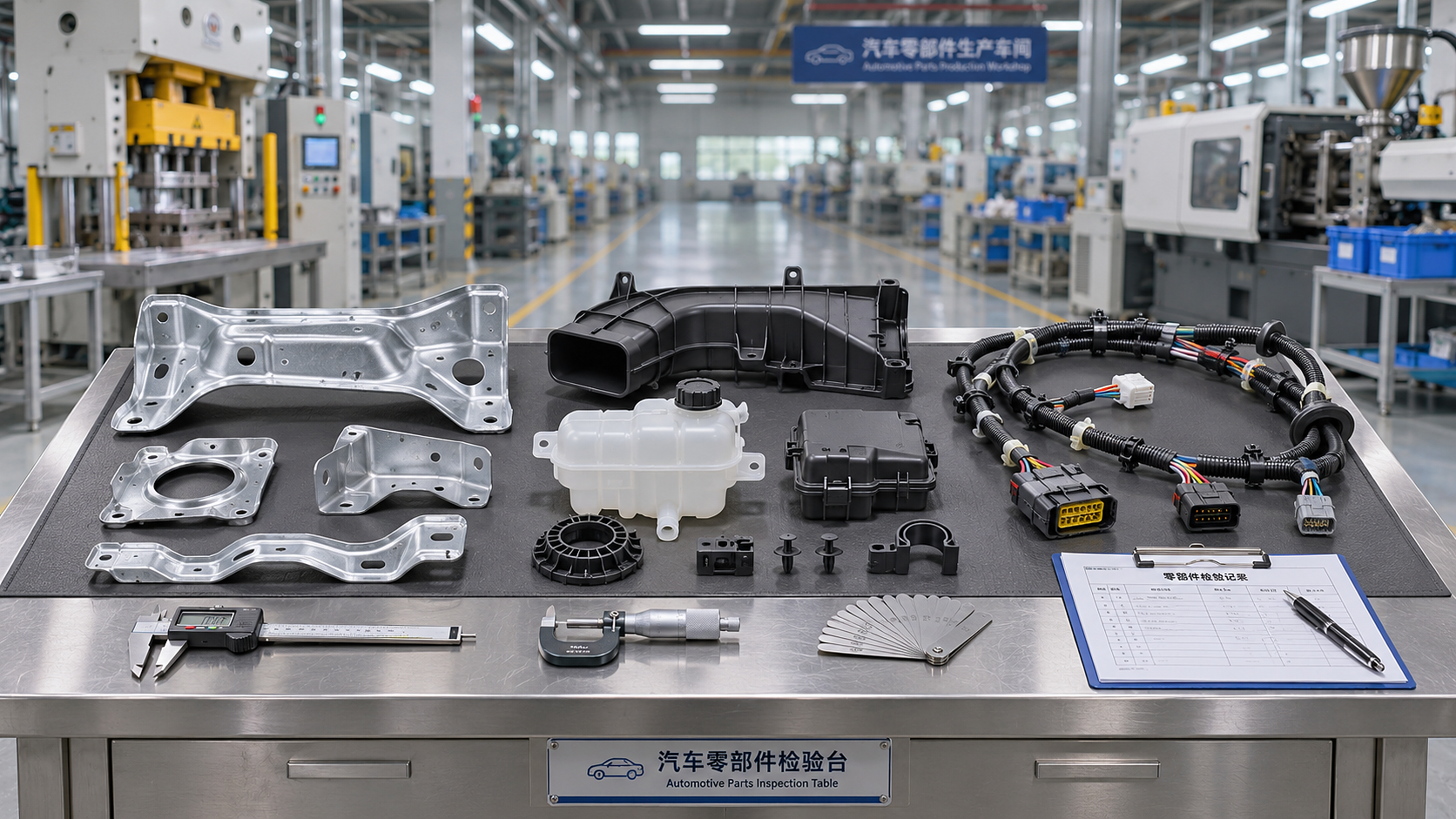
On November 19, 2026, the Japan Automobile Manufacturers Association and a parts association jointly announced an initiative to develop common standards for selected automotive materials and components. Iron, resin and electrical wiring are the initial areas identified. The proposal could affect how automakers and suppliers specify, purchase and deliver these items, making the eventual content and adoption of the standards relevant across the supply chain.
Iron, resin and wiring selected first
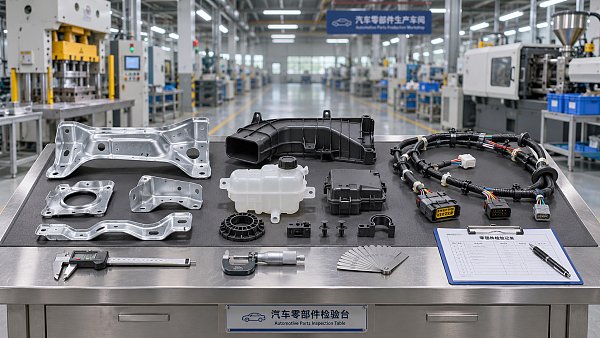
The two associations said they would develop common standards for some materials and components used in automobile manufacturing. Iron, resin and electrical wiring form the first group, with the scope to expand gradually afterward.
The stated aim is to reduce differences in specifications among automakers, lower purchasing and manufacturing costs, and improve overall supply chain efficiency. The initiative is intended to help the industry respond to intense competition from overseas automakers.
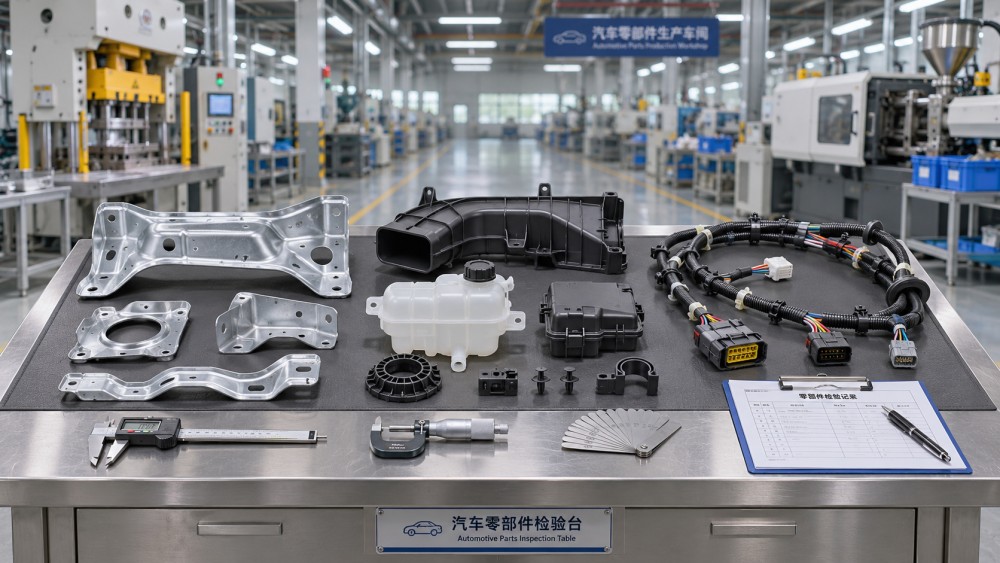
Where common specifications could change purchasing decisions
Automakers and their purchasing teams
From an industry perspective, the central issue is whether a common specification can replace requirements that purchasing teams currently treat separately. If automakers adopt consistent descriptions for selected materials or components, suppliers may be able to respond to purchasing requests using a more comparable set of technical documents. Buyers could also find it easier to assess alternatives against a shared baseline.
Those outcomes remain conditional. A common standard would matter in practice only to the extent that it is adopted in product specifications and purchasing documents. Automakers may need to examine how any new requirements relate to their existing designs, quality criteria and supplier agreements. The announcement does not establish which specifications will change, when buyers will use them, or whether individual automakers will retain additional requirements.
Material suppliers and component manufacturers
For suppliers of iron, resin and electrical wiring, the initiative may affect the information used to describe and verify products. Depending on the standards eventually developed, businesses could need to compare material properties, component configurations or supporting documentation with a common set of requirements. Suppliers serving several automakers may find opportunities to reduce variation, but the scale of any benefit cannot yet be assessed.
Manufacturers should also watch how a common specification addresses existing products. If a buyer later requests a different specification, a supplier may have to assess tooling, production processes, inventories or testing before offering a replacement. Such changes are possible business consequences, not requirements established by the announcement.
Distributors, traders and delivery partners
Companies handling procurement or distribution may be affected if buyers begin to identify products by a shared specification. Analysis suggests that clearer descriptions could make it easier to compare offers and communicate orders, provided that suppliers and customers interpret the requirements consistently. Conversely, a transition involving both existing and new specifications could require careful attention to product identification and order records.
For cross-border suppliers and traders, the practical question is whether a customer's purchasing documents change, not whether the announcement itself creates a new trade rule. The supplied information identifies no change to customs procedures, market access requirements or certification. Businesses involved in delivery can nevertheless monitor customer instructions and confirm which specification applies to each order before making substitutions.
Testing, quality records and after-sales supply
Testing providers and quality teams may eventually need to assess whether existing reports demonstrate conformity with a published standard. That would depend on the standard's technical content and on what customers ask suppliers to document. The initiative does not identify a certification scheme, a testing method or an approval body.
After-sales supply could also require attention if a component made to a future common specification is proposed as a replacement for an existing part. Compatibility and traceability would need to be assessed against the relevant product and customer requirements. No change to replacement-part rules has been announced in the information provided.
Preparing for specifications that are still being developed
Map the affected products and documents
A useful first step is to identify where iron, resin and electrical wiring appear in current product and purchasing records. Procurement, engineering and quality teams can compare the specifications used by different customers and note where differences affect orders, manufacturing or verification. This exercise can establish a basis for assessing a future proposal without assuming that every existing difference will disappear.
Businesses can also review the accessibility of drawings, material declarations, test reports and other documents they already use to support customer requirements. The purpose is to make a later comparison easier; the announcement does not prescribe a new set of documents.
Follow the scope and adoption process
Companies should monitor subsequent communications from the associations and relevant customers for the actual technical scope, the process for developing standards and any timetable for adoption. Particular attention may be needed to distinguish a draft, a completed standard and a customer's decision to incorporate it into a purchase specification. These are separate developments, and the supplied information does not establish when any of them will occur.
Any proposed expansion beyond the three initial areas will also need to be assessed on its own terms. Businesses should avoid assuming that all materials or parts will be covered, or that the same adoption approach will apply to each category.
Check changes before accepting substitutions
If a customer or supplier later proposes a product aligned with a common standard, the parties can compare it with the existing order and agree on any validation needed for the intended use. Relevant questions may include whether dimensions, material characteristics, performance evidence and identification records meet the applicable customer specification. The answers will depend on the eventual standard and the product concerned.
Where a change could affect delivery, businesses may also wish to review lead times, existing stock and the handling of open orders. A common specification could simplify future sourcing, but a conversion between specifications may itself require coordination. Neither an immediate conversion nor a particular transition period is confirmed.
Keep contract and verification decisions tied to evidence
Purchasing teams can check whether requests for quotation, contracts and acceptance documents refer to an existing customer specification or to a subsequently published common standard. Suppliers can seek clarification when an order does not make that distinction clear. Any decision to revise pricing, qualification evidence or delivery commitments should be based on the documents actually agreed by the parties.
Similarly, companies should verify any claim that a product is certified or approved under the initiative against an identifiable scheme and its published requirements. No such scheme is described in the supplied information, so certification costs, procedures and obligations cannot yet be inferred.
The distinction between an initiative and an operating rule
The announcement is best understood at this stage as a signal that industry associations intend to develop common standards, rather than as evidence that new specifications are already in force. The intended direction is clear: reduce variation among automakers in selected areas. The operational consequences remain open because the supplied summary does not provide standard texts, adoption dates, technical criteria or implementation arrangements.
Further judgment will depend on what the associations publish, how automakers incorporate any standards into procurement, and how suppliers respond. A standard could have different practical effects across iron, resin and wiring, depending on its scope and the products covered. Industry feedback and customer purchasing documents will therefore be important evidence of how far the initiative moves from a stated objective into routine transactions.
What the announcement means for supply chain planning
The proposed work gives automakers and suppliers a reason to examine specification differences in three named areas and to prepare for possible changes in purchasing and verification. The stated goals are lower costs and greater efficiency, but the announcement alone does not establish achieved savings or a new compliance obligation. For now, the measured response is to track development, maintain clear technical records and assess changes when specific standards and customer requirements become available.
Basis for this report and points to verify
This article is based on the user-provided news title, event date and event summary. No specific official source link was provided in the input, so the announcement and subsequent developments require continued verification. Relevant material to monitor may include association announcements, standards documents, customer purchasing specifications and industry feedback. The technical details, adoption arrangements, any certification approach, changes to tender documents and companies' implementation experience remain matters for further observation.
Have questions about this sector analysis, or seeking best practices specific to your niche? Drop us a line below and let the senior consultants at AEVS assist you.
Related News
 Latest Sector NewsJapan Auto and Parts Associations Advance Common Parts StandardsJapan automotive parts standards could reshape sourcing for iron, resin and wiring. Explore the proposed initiative and what suppliers should watch.MORE+
 Latest Sector NewsHow Optical Perception in ADAS Detects Lanes and ObstaclesDiscover how smart optical perception for ADAS detects lanes and obstacles, and explore the factors that shape accuracy, response time, and real-world safety.MORE+
 Latest Sector NewsVehicle Chassis Lightweighting: Comparing Steel, Aluminum and CompositesExplore vehicle lightweighting solutions for chassis design. Compare steel, aluminum and composites to balance mass, durability, cost and production needs.MORE+
 Latest Sector NewsVehicle Exterior Design Surfacing: From Concept Sketch to Class-A ModelVehicle exterior design surfacing turns sketches into Class-A models. Explore the workflow, surface quality checks, and engineering decisions behind production-ready designs.MORE+
 Latest Sector NewsChoosing OEM-Quality Replacement Tires: Size, Load and Speed RatingsFind replacement tires OEM quality shoppers can trust. Learn how to match tire size, load index, and speed rating to your vehicle and driving needs.MORE+
 Latest Sector NewsChina Seeks Input on Vehicle Modification Rules, Including Wheel and Tire RegistrationChina's proposed vehicle modification rules could require wheel and tire change registration. Discover what the draft means for owners and aftermarket businesses.MORE+
 Latest Sector NewsChina’s NEV Export Surge Opens Opportunities for Quiet Tire SuppliersChina’s NEV export surge creates potential opportunities for quiet tire suppliers. Explore the role of grip, sourcing decisions and trade measures.MORE+
 Latest Sector NewsChoosing a Photoelectric Sensor OEM Supplier: Quality and Lead TimeChoose a photoelectric sensors OEM supplier with confidence. Compare quality controls, lead times and total costs to reduce supply risks and protect production.MORE+
 Latest Sector NewsNatural Rubber Prices Fluctuate as Chinese Tire Buying Provides SupportNatural rubber prices face supply pressure as Chinese tire buying provides support. Explore the latest market trends and what they mean for buyers.MORE+
 Latest Sector NewsVehicle Lightweighting Materials: Comparing Steel, Aluminum and CompositesCompare vehicle lightweighting materials, including steel, aluminum and composites, to find the right balance of mass, cost, durability and manufacturing.MORE+
 Latest Sector NewsVehicle Lightweighting Solutions: Balancing Weight, Safety and PerformanceExplore vehicle lightweighting solutions performance, compare materials and manufacturing options, and discover how to balance weight savings with safety, durability and cost.MORE+
 Latest Sector NewsMichelin Showcases 75% Renewable-Material Tire and Touch Intelligence at CIIEMichelin showcases a 75% renewable-material tire and Touch Intelligence at CIIE. Discover how these innovations aim to address EV performance and sustainability.MORE+
 Latest Sector NewsEU Launches Safeguard Investigation Into Hybrid Vehicle ImportsEU hybrid vehicle import investigation: explore potential safeguard measures, implications for exporters and what to watch in official updates.MORE+
 Latest Sector NewsChoosing 19-Inch Low-Pressure Cast Wheels: Fitment, Load Rating and WeightChoosing 19 inch low pressure cast wheels? Learn how to check fitment, load ratings, brake clearance and weight before you buy.MORE+
 Latest Sector NewsUSTMA 2025 Scrap Tire Report: 79% Reached End-Use MarketsUSTMA 2025 Scrap Tire Report: 79% reached end-use markets. Explore what shifting recycling demand, rising exports and stockpile cleanup mean for the industry.MORE+
 Latest Sector NewsBeam vs. Conventional Wiper Blades: Is the Upgrade Worth It for Your Car?Are beam auto wipers worth the upgrade? Compare winter performance, highway visibility, fitment, and cost with conventional blades to find the right choice for your car.MORE+
 Latest Sector NewsNinth CIIE Welcomes First Exhibits, Michelin Sustainable Tire Set for Asian DebutMichelin’s sustainable tire, made with 75% renewable and recycled materials, is set for its Asian debut at the ninth CIIE. Explore key material claims and what buyers should verify.MORE+
 Latest Sector NewsNHTSA Proposes FMVSS 108 Update for Automated Vehicle LightingExplore NHTSA’s proposed FMVSS 108 update for automated vehicle lighting and discover what greater design flexibility could mean for ADS developers and lighting suppliers.MORE+
 Latest Sector NewsReplacement Headlight Assemblies for Sedans: Fitment Checks Before You BuyBuying a headlight assembly for sedans? Check VIN fitment, lighting technology, connectors, and beam patterns before you order. Avoid costly returns with our practical buying guide.MORE+
 Latest Sector NewsPirelli and BKT Reach Agreement to Enter India's Passenger Car Tyre MarketPirelli and BKT plan passenger car tyre production in India, targeting up to 800,000 tyres by 2030. Explore what the deal could mean for buyers, suppliers and premium tyre sourcing.MORE+
 Latest Sector News2026 NEV Exterior Compliance: Key Standards for EU and China Market AccessWhich exterior standards matter most for the NEV industry in 2026? Explore EU and China rules for lighting, glazing, tires and more to close compliance gaps and plan market access.MORE+
 Latest Sector NewsTire Makers Face Profit Pressure as Raw Material Costs Outpace Price HikesTire makers face profit pressure as raw material costs outpace 2%–5% price hikes. Discover why higher tire prices may not translate into stronger margins.MORE+
 Latest Sector NewsECE-Compliant Fog Lamps: Which Approval Marks and Test Reports Should You Check?Evaluating ECE compliant lighting fog lamps? Learn which E-marks, UN approvals and test reports to check, avoid costly compliance gaps and qualify suppliers with confidence.MORE+
 Latest Sector NewsVehicle Perception System Accuracy: Which Metrics Matter in Rain and Fog?Compare vehicle perception systems accuracy in rain and fog. Discover the recall, tracking, and latency metrics that expose hidden risks and help you choose a more reliable system.MORE+
 Latest Sector NewsECE-Compliant Lighting for Commercial Vehicles: Approval and Installation ChecksExplore ECE compliant lighting commercial vehicles can rely on. Learn key approval, installation, aiming and wiring checks to reduce compliance risks before release.MORE+
 Latest Sector NewsNEV Industry Standards in China: Which Battery Safety Tests Are Required?Explore NEV industry standards in China, required battery safety tests, and GB 38031 updates. Learn how to verify compliance evidence and prepare for confident market-entry decisions.MORE+
 Latest Sector NewsAutomotive Exterior Lighting Systems: Lamp Types, Functions, and PlacementExplore the automotive exterior lighting system: lamp types, functions, and placement. Learn key differences, spot common issues, and make smarter lighting replacement choices.MORE+
 Latest Sector NewsWhere exterior systems engineering prevents late-stage automotive reworkExterior systems engineering automotive insights reveal how integrated reviews of wheels, lighting, roofs, and sensors prevent costly late-stage rework.MORE+
 Latest Sector News2026 urban bumper trends focus on low-speed impact resistanceUrban vehicle bumper design trends 2026 impact resistance: explore smarter materials, sensor protection, repairability, and low-speed resilience for city vehicles.MORE+
 Latest Sector NewsHow to Evaluate an Automotive Exterior Systems Manufacturer for OEM Program SupplyAutomotive exterior systems manufacturer evaluation guide for OEM programs—assess engineering, quality, compliance, supply resilience, and total lifecycle risk.MORE+
 Latest Sector NewsSelecting NEV Exterior Components for Aerodynamics, Durability, and EV IntegrationNEV exterior components selection guide: balance aerodynamics, durability, NVH, smart lighting, sensors, and EV integration for reliable vehicle performance.MORE+
 Latest Sector NewsSupplier Capability Evaluation Matrix: Criteria and Weighting for Reliable SourcingSupplier capability evaluation matrix guide: build weighted, evidence-based criteria for quality, compliance, capacity, delivery resilience, and cost control.MORE+
 Latest Sector NewsHow to Select NVH Control Materials for Automotive Panels and Powertrain SystemsNVH control materials for automotive panels and powertrain systems: learn how to balance damping, absorption, barriers, durability, and weight for a quieter vehicle.MORE+
 Latest Sector NewsHow to Evaluate a Photoelectric Sensing Supplier for Industrial Automation ProjectsChoose the right photoelectric sensing supplier for industrial automation. Compare technical fit, lifecycle cost, support, quality control, and supply reliability.MORE+
 Latest Sector NewsDOT-Compliant Truck Lighting: A Practical Guide to FMVSS 108 RequirementsDOT compliant truck lighting guide: understand FMVSS 108 requirements, LED replacements, lamp placement, conspicuity tape, and practical inspection steps.MORE+
 Latest Sector NewsOptical Sensing Systems in Europe: Key Selection Criteria for Industrial BuyersOptical sensing systems Europe: learn how industrial buyers compare accuracy, integration, durability, and lifecycle support to choose reliable solutions that reduce downtime.MORE+
 Latest Sector NewsWhat Smart Mobility Europe Means for Urban Fleets and EV Infrastructure PlanningSmart mobility Europe is reshaping urban fleets and EV infrastructure planning with smarter charging, fleet design, and scalable operations.MORE+
 Latest Sector NewsHow Automotive Sensor Systems Improve ADAS Performance and Vehicle SafetyAutomotive sensor systems improve ADAS with better detection, sensor fusion, and safer real-world driving. Learn how they enhance vehicle safety, lighting, and NEV performance.MORE+
 Latest Sector NewsAutomotive Sensor Systems and ISO 26262: What to Review for Functional Safety ComplianceAutomotive sensor systems ISO 26262 review: learn what to check for functional safety compliance, key failure risks, validation gaps, and practical sign-off steps for safer vehicle sensor integration.MORE+
 Latest Sector NewsPhotoelectric Sensors Supplier Selection: Key Sensing Range and Output FactorsPhotoelectric sensors supplier selection starts with real sensing range and output fit. Learn how to compare reliability, integration, and durability for smarter, lower-risk system performance.MORE+