
Industry Portal
Related News
- 00
0000-00
ECE-Compliant Lighting for Commercial Vehicles: Approval and Installation Checks - 00
0000-00
Laser Adaptive Headlights: What to Check for Range and Glare Control - 00
0000-00
Precision Forging for Aluminum Wheels: Alloy Selection and Fatigue Performance - 00
0000-00
NEV Industry Standards in China: Which Battery Safety Tests Are Required? - 00
0000-00
Automotive Exterior Lighting Systems: Lamp Types, Functions, and Placement
Why vehicle lightweighting matters more in today’s EV race
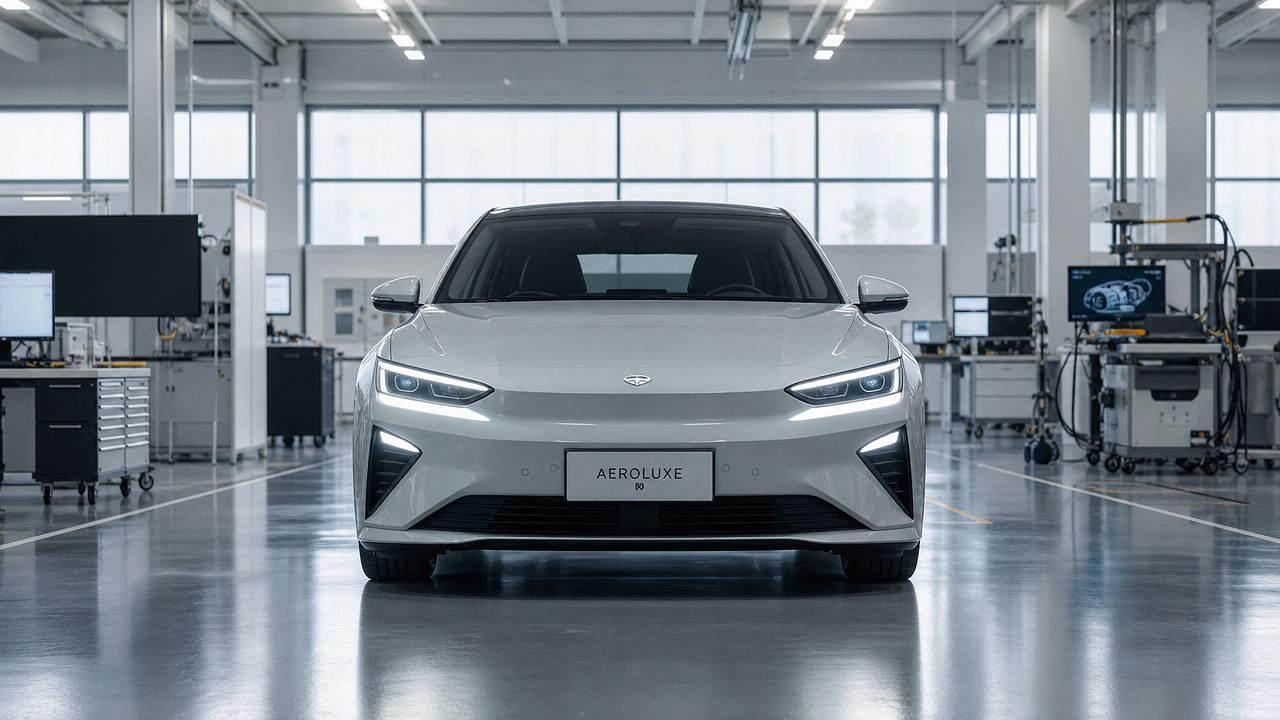
In today’s electrified mobility market, vehicle lightweighting is no longer a niche engineering goal but a strategic advantage that directly affects range, safety, performance, and cost efficiency. For business decision-makers, understanding how lightweight wheels, tires, lighting systems, and exterior technologies work together is essential to staying competitive in the fast-moving EV race.
Why vehicle lightweighting has become a boardroom issue, not just an engineering task
The EV race has changed the economics of automotive design. Battery packs are heavy, raw materials are volatile, and consumers expect longer range without sacrificing comfort, safety, or appearance. That makes vehicle lightweighting a strategic lever with direct influence on product planning, sourcing priorities, and margin protection.
For decision-makers, the issue is not simply reducing kilograms. It is about knowing where mass reduction creates the highest return, where it creates hidden risks, and how exterior systems can support both efficiency and brand value. In EVs, every component choice affects energy consumption, ride behavior, thermal balance, and compliance readiness.
AEVS tracks this shift through its focus on exterior lightweight components, high-performance ground contact systems, and smart optical perception. That cross-functional view matters because vehicle lightweighting in EVs rarely succeeds when procurement, styling, dynamics, and compliance teams work in isolation.
- A lighter vehicle can help extend driving range or allow battery downsizing in selected architectures.
- Lower unsprung mass improves steering response, braking feel, and ride refinement.
- Exterior component optimization can support aerodynamics, noise control, and safety sensing at the same time.
- Well-targeted lightweighting can reduce lifecycle costs more effectively than broad, unfocused material substitution.
What makes EV lightweighting different from ICE vehicle programs?
Traditional vehicles often treated mass reduction as a fuel economy enhancement. In EVs, it is tied more tightly to battery utilization, regenerative braking behavior, tire wear, cabin NVH, and software-calibrated driving experience. The value chain is also more sensitive because wheel design, tire rolling resistance, lamp thermal management, and roof system weight all interact with range expectations.
Where vehicle lightweighting delivers the fastest EV gains
Not all kilograms are equal. For most EV programs, the most meaningful gains come from parts that influence rotational mass, unsprung mass, drag, and electrical efficiency at the same time. This is why AEVS places strong attention on alloy wheels, tires, headlight systems, sensor-linked exterior functions, and advanced roof modules.
The table below shows how decision-makers can prioritize vehicle lightweighting opportunities by functional impact rather than by part weight alone.
The main lesson is clear: vehicle lightweighting works best when companies focus on systems with multiple paybacks. A lighter wheel that also improves brake airflow and supports better aero is more valuable than a simple mass reduction in an isolated trim part.
Why unsprung mass deserves executive attention
Executives often focus on battery chemistry, motors, and software. Yet unsprung mass from wheels and tires strongly influences ride quality, braking confidence, handling precision, and energy losses. In premium or performance EV segments, those factors directly affect reviews, residual value, and customer loyalty.
How exterior systems shape range, safety, and driving perception
Vehicle lightweighting should not be treated as a materials-only topic. Exterior systems define how the vehicle moves through air, how it sees the road, how it contacts the ground, and how passengers perceive refinement. AEVS addresses this broader relationship through what it describes as vehicle aesthetics and dynamic driving perception.
Aluminum alloy wheels: a lightweighting lever with visible impact
Wheels are one of the clearest examples of high-value vehicle lightweighting. Low-pressure cast designs may help control costs for higher-volume programs, while forged solutions can reduce mass further and support premium aftermarket or performance positioning. The right design also affects airflow around brakes and across the side profile of the car.
Tires: where lightweighting meets grip, silence, and efficiency
An EV tire is not merely a low-rolling-resistance product. It must tolerate higher curb weight, instant torque, and the quiet cabin environment that makes road noise more noticeable. A poor tire choice can cancel out vehicle lightweighting gains by increasing wear, noise, or energy consumption under real driving conditions.
Lighting and sensors: intelligent efficiency at the vehicle edge
Advanced LED headlight assemblies and auto sensor switches support efficient energy use and safer driving. Matrix lighting can improve visibility without uncontrolled glare, while automated control logic reduces unnecessary power draw and enhances the smart vehicle experience. Compact, well-managed systems also support packaging efficiency in the front end.
Roof systems: comfort must not undermine efficiency
Electric sunroof systems can add customer appeal, but they must be evaluated through the lens of upper-body weight, thermal load, sealing performance, and NVH. Technologies such as electrochromic dimming can improve comfort while reducing the dependency on heavy shading solutions, making the feature easier to justify in EV architectures.
What procurement teams should compare before approving a lightweighting program
Procurement teams often face competing pressure: reduce cost, accelerate SOP timing, protect quality, and satisfy regional certification demands. In that environment, vehicle lightweighting decisions need a structured comparison model rather than a narrow piece-price discussion.
The comparison below highlights what business buyers should test when screening lightweight exterior and vision-related solutions.
This kind of procurement framework is especially useful when teams must compare a low-cost legacy solution against a more advanced lightweight alternative. The real question is not whether the purchase price is higher, but whether the system improves total vehicle economics, market appeal, and launch confidence.
A practical sourcing checklist for enterprise buyers
- Confirm whether the supplier can explain the mass-performance relationship, not only the material specification.
- Review how the solution affects aero drag, cabin noise, braking airflow, or lighting heat load.
- Check the regional compliance roadmap early if the platform targets multiple export markets.
- Ask for expected lead time, tooling complexity, and sample validation sequence before committing volume.
- Evaluate aftermarket potential if the component also supports premium replacement demand.
Common mistakes companies make when pursuing vehicle lightweighting
Many companies understand the importance of vehicle lightweighting, yet still fail to capture its full value. The usual reason is fragmented decision-making. One team optimizes cost, another targets style, and another worries about compliance, but no one evaluates the whole exterior and vision system as a connected business case.
Mistake 1: reducing weight without protecting real-world durability
A wheel that looks lighter on paper but performs poorly under impact, curb events, or thermal cycling can increase warranty exposure. The same is true for compact lighting systems with insufficient heat control. Lightweighting without reliability discipline can become a cost amplifier.
Mistake 2: treating tires as a secondary purchasing line
EV programs sometimes overemphasize powertrain innovation while underestimating the tire. But tires govern grip, silence, rolling losses, and how the vehicle handles its own mass. A poor specification weakens the value of every other vehicle lightweighting measure.
Mistake 3: ignoring compliance and localization early
Exterior lighting, sensing behavior, and other body systems can face different requirements across regions. If teams postpone ECE or DOT review until late development, even a strong lightweight concept may need redesign. Strategic intelligence around standards reduces that risk.
Mistake 4: focusing only on BOM cost instead of total value
A slightly higher-cost wheel, tire, or optical module may support longer range, stronger reviews, reduced noise complaints, or better premium positioning. For enterprise buyers, the right financial lens is total program value, including launch success and market differentiation.
How AEVS supports better lightweighting decisions across the EV value chain
AEVS is positioned around the specific systems where vehicle lightweighting intersects with exterior design, dynamic behavior, and optical intelligence. That matters for decision-makers who need more than fragmented component news. They need a stitched view of technology, regulation, materials movement, and market demand.
Strategic intelligence, not isolated data points
The AEVS Strategic Intelligence Center examines areas that directly affect sourcing and product strategy, including traffic compliance trends, aluminum and rubber price fluctuations, smart headlight thermal management, wheel airflow simulation, and the evolution of tire coating technologies. This kind of intelligence helps teams move from reactive purchasing to forward planning.
Support for Tier 1 suppliers and aftermarket channels
AEVS also highlights commercial signals such as rising demand for custom forged wheels and premium replacement tires. For suppliers and distributors, that insight matters because vehicle lightweighting is not only an OEM issue. It also shapes profitable aftermarket categories where technical credibility can justify higher-value orders.
FAQ: what enterprise buyers ask most about vehicle lightweighting
How should we prioritize vehicle lightweighting if budget is limited?
Start with components that influence rotational mass, rolling resistance, aerodynamics, and electrical load together. In many EV platforms, that means wheels, tires, and selected lighting or roof systems deliver stronger business returns than cosmetic part substitution. Prioritization should be tied to range targets, ride goals, and launch market requirements.
Which scenarios benefit most from advanced lightweight wheels and EV tires?
Premium EVs, sporty crossovers, export-focused models, and vehicles that must balance comfort with long range tend to gain the most. These programs are more sensitive to unsprung mass, cabin noise, aerodynamic drag, and braking feel. They also face stronger consumer scrutiny in road tests and digital reviews.
What should we verify before selecting smart headlight systems for a lightweight EV program?
Review beam performance, heat dissipation strategy, packaging impact, power consumption, and target-market regulatory fit. A compact lamp that saves space but struggles with thermal stability can create reliability problems. Smart lighting should improve safety perception and energy efficiency without complicating certification.
How early should compliance be considered in vehicle lightweighting projects?
As early as concept selection. Wheel design, lighting behavior, sensor activation logic, and material choices can all be affected by regional requirements. Early alignment with standards such as ECE or DOT reduces redesign risk, protects timing, and improves sourcing confidence.
Why the next phase of the EV race will reward smarter lightweighting
The next competitive gap in EVs will not come from battery size alone. It will come from integrated efficiency, intelligent exterior systems, and better use of every kilogram across the vehicle. Companies that understand vehicle lightweighting as a system-level business discipline will be better positioned to improve range, refine driving quality, and protect profitability.
That is especially true as customers expect more from every model: cleaner styling, quieter cabins, sharper perception systems, and compliance across multiple markets. Lightweighting decisions that once belonged only to engineering now shape product positioning, sourcing strategy, and aftermarket opportunity.
Why choose us for insight and next-step planning
AEVS helps enterprise decision-makers evaluate vehicle lightweighting through a practical EV lens: wheels, tires, lighting, roof systems, sensing, compliance, materials volatility, and market demand. Instead of viewing each category separately, we connect the technical and commercial factors that determine whether a lightweighting program creates real value.
If you are reviewing a new EV platform, export program, aftermarket opportunity, or supplier shortlist, you can contact us to discuss specific issues such as parameter confirmation, product selection logic, delivery cycle expectations, customization direction, certification considerations, sample support, and quotation communication. For teams under launch pressure, that clarity can shorten decision time and reduce sourcing risk.