
Industry Portal
Related News
- 00
0000-00
ECE-Compliant Lighting for Commercial Vehicles: Approval and Installation Checks - 00
0000-00
Laser Adaptive Headlights: What to Check for Range and Glare Control - 00
0000-00
Precision Forging for Aluminum Wheels: Alloy Selection and Fatigue Performance - 00
0000-00
NEV Industry Standards in China: Which Battery Safety Tests Are Required? - 00
0000-00
Automotive Exterior Lighting Systems: Lamp Types, Functions, and Placement
Where the NEV industry is finding its next margin gains
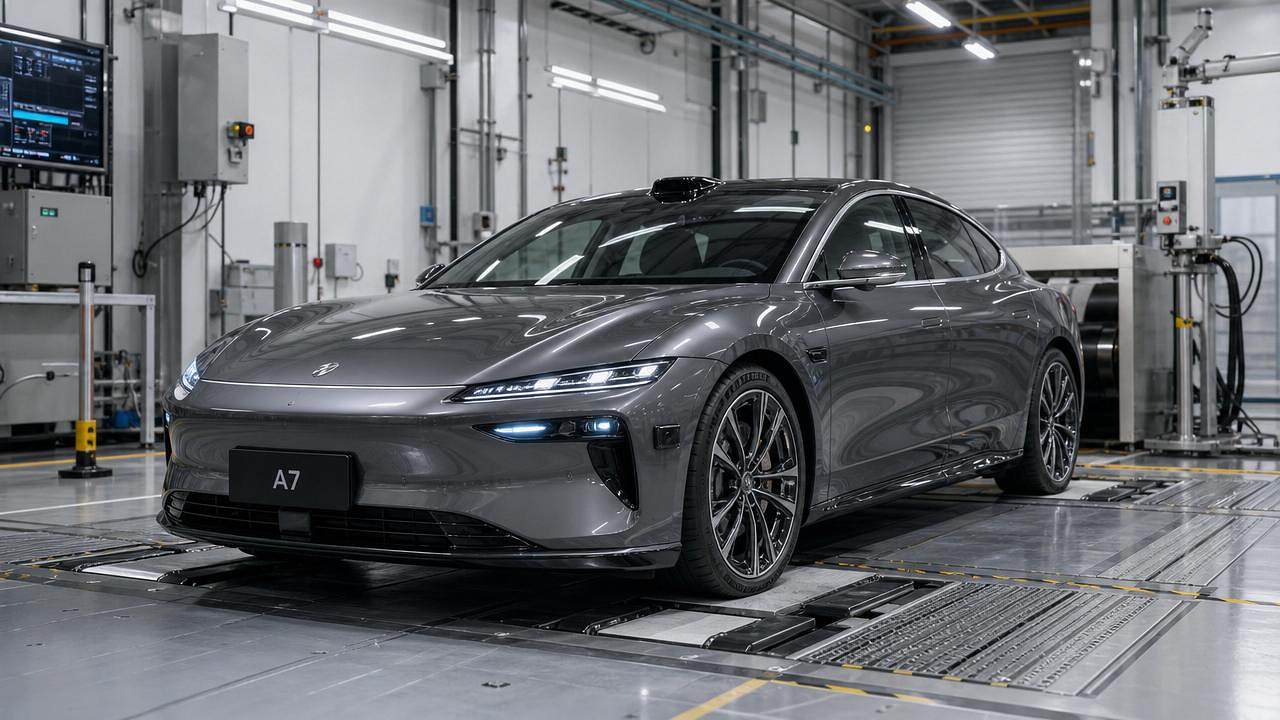
As cost pressures reshape the NEV industry, the next wave of margin gains is moving beyond scale and into smarter exterior, vision, and ground-contact systems. For business evaluators, understanding how lightweight wheels, high-performance tires, intelligent lighting, and sensor integration improve efficiency, safety, and premium value is now essential to identifying where sustainable profitability will emerge.
Understanding Where the NEV Industry Creates New Margin Space
The NEV industry once relied heavily on battery cost decline and rising production volume. That model still matters, but easy gains are narrowing.
Today, margin expansion increasingly comes from systems that improve efficiency without enlarging battery packs or cutting visible quality.
This shift puts automotive exterior, vision, and road-contact technologies at the center of competitive value creation.
For the NEV industry, these components are no longer cosmetic accessories. They influence drag, weight, rolling resistance, thermal load, safety perception, and software-enabled user experience.
That is why platforms such as AEVS track electric sunroof systems, aluminum alloy wheels, high-performance tires, LED headlight assemblies, and auto sensor switches as profit levers.
The commercial logic is simple. Better engineered exterior systems can lower energy consumption, support premium pricing, reduce warranty exposure, and strengthen regulatory compliance.
Industry Signals Shaping the Next Phase of NEV Industry Profitability
Several signals explain why the NEV industry is finding its next margin gains in these domains.
- Battery price advantages are becoming less differentiated across major vehicle programs.
- Range anxiety still influences purchase decisions, even when battery capacity rises.
- Consumers increasingly associate visible exterior quality with overall vehicle intelligence.
- Global regulations keep tightening around lighting, sensing, and pedestrian safety.
- Raw material volatility demands better design efficiency in aluminum, rubber, and optics.
These trends push the NEV industry toward high-value component optimization rather than broad cost cutting alone.
Why Exterior and Vision Systems Matter More in the NEV Industry
Lightweight wheels as an efficiency multiplier
In the NEV industry, aluminum alloy wheels serve both engineering and branding goals. Lower wheel mass improves acceleration response, braking feel, and energy efficiency.
When combined with low-drag geometry, forged or precision-cast wheels can support measurable range improvements. That creates margin through specification upgrades and stronger product differentiation.
High-performance tires as silent profit contributors
Tires have an outsized effect on EV performance because electric vehicles carry more weight and deliver instant torque.
The NEV industry benefits when tire compounds reduce rolling resistance without sacrificing wet grip, wear life, or cabin quietness.
That balance supports both factory fitment value and profitable aftermarket replacement cycles, especially in premium and performance segments.
LED headlight assemblies as software-driven value
Headlights in the NEV industry are evolving from hardware units into interactive perception platforms.
Matrix LED systems improve visibility while enabling anti-glare masking, guidance projection, and identity-defining signatures.
These functions support premium trims, compliance strategies, and software-controlled feature packs. Margin expands when one module delivers safety, branding, and digital monetization together.
Sensor switches as small components with large returns
Auto sensor switches often look minor, yet they are highly influential in the NEV industry. They enable automated lighting, rain sensing, blind-spot awareness, and body control integration.
Because these switches sit close to the user experience, they help convert complex electronic systems into visible convenience and trust.
Business Value Paths Emerging Across the NEV Industry
Margin gains in the NEV industry are not generated by a single component. They emerge through layered business effects.
- Energy efficiency gains reduce the need for oversized batteries.
- Premium visible features justify higher transaction prices.
- Compliance-ready systems reduce redesign costs across regions.
- Durable components lower warranty claims and reputation risk.
- Aftermarket demand creates recurring value beyond first vehicle sale.
AEVS closely follows these pathways because they connect technical choices to practical profitability. This is where the NEV industry becomes more disciplined and less volume dependent.
Typical Application Scenarios for Margin Improvement
These scenarios show how the NEV industry can combine engineering detail with targeted commercial outcomes rather than treating all hardware as commodity content.
Practical Evaluation Points and Risk Considerations
Not every upgrade improves margin. The NEV industry must assess each system against measurable return conditions.
- Verify energy efficiency gains under realistic driving cycles, not laboratory claims alone.
- Check durability under higher EV mass and torque loads.
- Review ECE, DOT, and local compliance requirements early in development.
- Model raw material sensitivity for aluminum, rubber, coatings, and optical parts.
- Track software and thermal dependencies in intelligent lighting systems.
A disciplined review prevents the NEV industry from overpaying for technology that adds complexity without durable financial advantage.
A Structured Next Step for Tracking NEV Industry Margin Gains
The most useful next step is to build a margin map around exterior, vision, and ground-contact systems.
Start by comparing weight, drag, rolling resistance, compliance burden, and premium pricing potential across vehicle programs.
Then connect those findings to supply risk, aftermarket demand, and user-perceived quality. This creates a clearer investment logic for the NEV industry.
AEVS supports this process by linking technical intelligence with commercial insight across wheels, tires, smart lighting, sensor switches, and related exterior systems.
Where the NEV industry is finding its next margin gains is no longer a vague strategic question. It is increasingly visible in the details that shape efficiency, perception, and long-term value.