
Industry Portal
Related News
- 00
0000-00
ECE-Compliant Lighting for Commercial Vehicles: Approval and Installation Checks - 00
0000-00
Laser Adaptive Headlights: What to Check for Range and Glare Control - 00
0000-00
Precision Forging for Aluminum Wheels: Alloy Selection and Fatigue Performance - 00
0000-00
NEV Industry Standards in China: Which Battery Safety Tests Are Required? - 00
0000-00
Automotive Exterior Lighting Systems: Lamp Types, Functions, and Placement
Why automotive exterior components now shape EV range
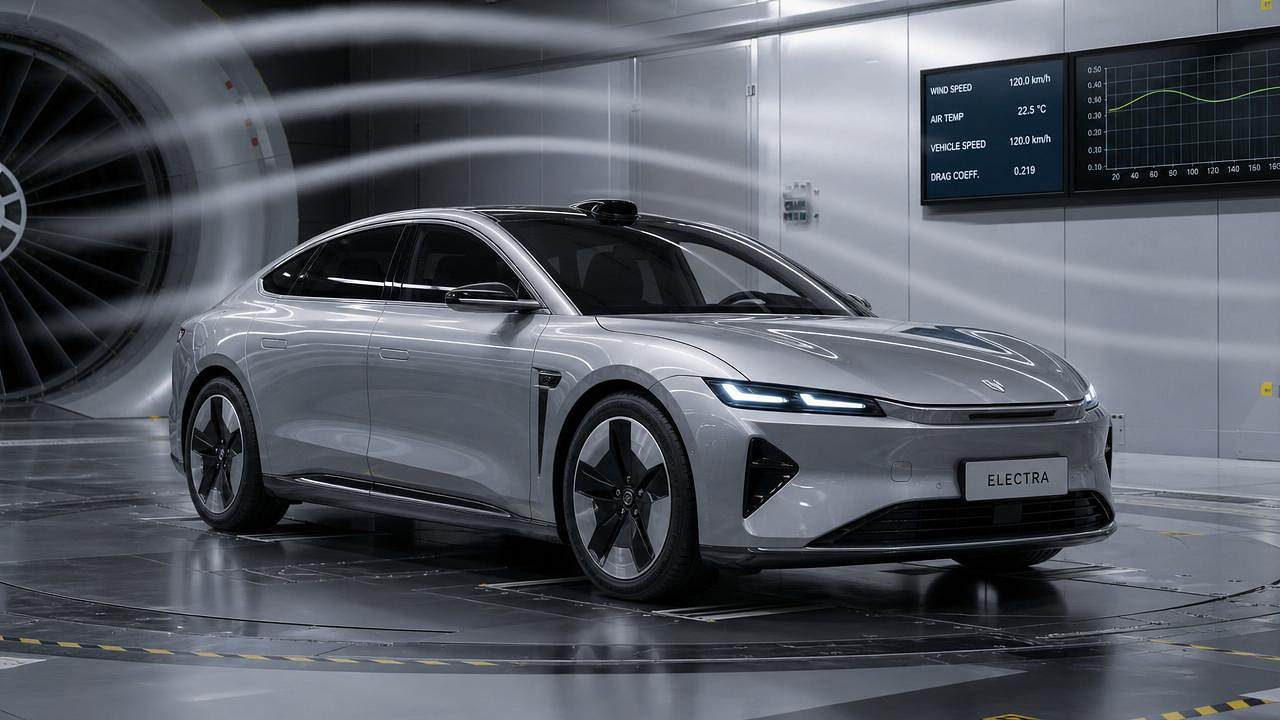
Automotive exterior components have moved from design details to range-critical systems
For EV programs, automotive exterior components now influence far more than visual identity.
They shape drag, mass, thermal behavior, noise, sensor accuracy, and compliance.
That shift changes how vehicles are engineered, tested, marketed, and valued.
A wheel design can alter airflow around brakes and side panels.
A tire compound can reduce rolling resistance while affecting grip and cabin silence.
A headlamp or sensor housing can either support clean aerodynamics or create energy loss.
As battery costs remain high, every kilometer of range matters.
That is why automotive exterior components are now central to EV competitiveness.
The market signals are clear: exterior performance is becoming a strategic metric
Several visible signals show why automotive exterior components have gained strategic importance.
First, EV range claims face tougher real-world scrutiny from buyers and regulators.
Second, platforms are expected to deliver both efficiency and premium styling.
Third, software-defined vehicles depend on clean sensor performance in all weather conditions.
These pressures elevate the role of automotive exterior components across the value chain.
AEVS closely tracks this transition through lightweight systems, tires, wheels, lighting, and sensing integration.
The strongest trend is convergence.
Exterior parts must now combine aesthetics, aerodynamics, durability, and data support.
Why the old styling-first mindset is fading
Internal combustion vehicles could hide many efficiency losses behind fuel refills.
EVs expose those losses immediately through range reduction and charging frequency.
As a result, automotive exterior components are evaluated through measurable performance outcomes.
Design freedom still matters, but it must serve efficiency and safety targets.
The forces behind this trend are technical, commercial, and regulatory
The rise of performance-led automotive exterior components is not driven by one factor alone.
It comes from a combination of engineering constraints and market expectations.
The most influential component categories
- Aluminum alloy wheels reduce unsprung mass and influence brake airflow and drag.
- High-performance tires directly affect rolling resistance, torque handling, and acoustic comfort.
- LED headlight assemblies now combine lighting, thermal control, and visual communication.
- Auto sensor switches support adaptive functions such as wipers and lighting activation.
- Electric sunroof systems must balance openness, weight, sealing, and NVH performance.
Range gains now come from system interaction, not isolated parts
One of the biggest misunderstandings is treating exterior upgrades as separate decisions.
In reality, automotive exterior components create cumulative effects.
A low-drag wheel works best with tire geometry that stabilizes airflow.
A smart headlamp housing performs better when thermal pathways and front-end aerodynamics align.
Sensor placement improves when body surfaces are designed for low contamination and easy cleaning.
This system view is where many future efficiency gains will be found.
Examples of interaction effects
- Wheel spoke geometry can improve airflow but may alter brake cooling requirements.
- Lower rolling resistance tires can improve range but require careful wet-grip validation.
- Flush lighting and sensor modules can reduce drag yet complicate serviceability.
- Large glass roof systems enhance cabin appeal but add weight and thermal load.
The business impact reaches engineering, sourcing, branding, and aftermarket demand
The shift in automotive exterior components affects more than technical teams.
It changes how value is created and defended across the business.
Engineering teams must validate airflow, weight, noise, and optical behavior together.
Supply chains need better visibility into aluminum, rubber, coatings, and electronics volatility.
Brand teams increasingly rely on exterior intelligence to express efficiency and premium quality.
Aftermarket channels also benefit as demand grows for forged wheels and replacement EV tires.
The next winners will focus on a few high-leverage priorities
Not every exterior upgrade creates the same return.
The most effective strategy is to prioritize high-leverage automotive exterior components.
- Treat wheel, tire, and brake airflow optimization as one engineering package.
- Use CFD and road testing together instead of relying on simulation alone.
- Prioritize lightweight materials only when durability and impact strength remain secure.
- Integrate headlight thermal management with exterior packaging from the start.
- Design sensor-facing surfaces for contamination resistance and stable optical performance.
- Track regulations and raw material cost swings before locking specifications.
What deserves extra attention now
Tires deserve more strategic attention than they often receive.
They are the only ground contact point and strongly influence EV energy consumption.
Lighting also deserves closer review because smart headlamps now affect safety and brand perception together.
In both categories, technical credibility has become a competitive asset.
A practical response starts with better evaluation methods
The smartest response is not adding more parts.
It is building a clearer method to judge automotive exterior components.
- Map each exterior component to a measurable EV outcome.
- Compare drag, weight, noise, thermal, and sensing effects together.
- Verify claims through test data, not brochure language.
- Review standards exposure for every export target market.
- Assess lifecycle value, including service, replacement, and premium pricing impact.
This is where an intelligence platform such as AEVS becomes useful.
Its coverage of wheels, tires, lighting, sunroof systems, and sensor technologies supports more informed decisions.
That includes technical trend tracking, compliance monitoring, and aftermarket demand analysis.
Why automotive exterior components will define the next stage of EV differentiation
The future of EV competition will not depend on batteries alone.
It will also depend on how precisely automotive exterior components convert design into efficiency and trust.
The best-performing vehicles will combine low drag, low noise, intelligent lighting, stable sensing, and lightweight execution.
Those outcomes come from disciplined exterior system choices.
Now is the right time to review which exterior components truly improve range, safety, and premium value.
A focused assessment of current specifications, supplier evidence, and technology trends can reveal fast improvement opportunities.
In the EV era, automotive exterior components are no longer secondary details.
They are becoming one of the clearest expressions of engineering intelligence and market readiness.