
Industry Portal
Related News
- 00
0000-00
ECE-Compliant Lighting for Commercial Vehicles: Approval and Installation Checks - 00
0000-00
Laser Adaptive Headlights: What to Check for Range and Glare Control - 00
0000-00
Precision Forging for Aluminum Wheels: Alloy Selection and Fatigue Performance - 00
0000-00
NEV Industry Standards in China: Which Battery Safety Tests Are Required? - 00
0000-00
Automotive Exterior Lighting Systems: Lamp Types, Functions, and Placement
What vehicle exterior architects miss in early EV styling
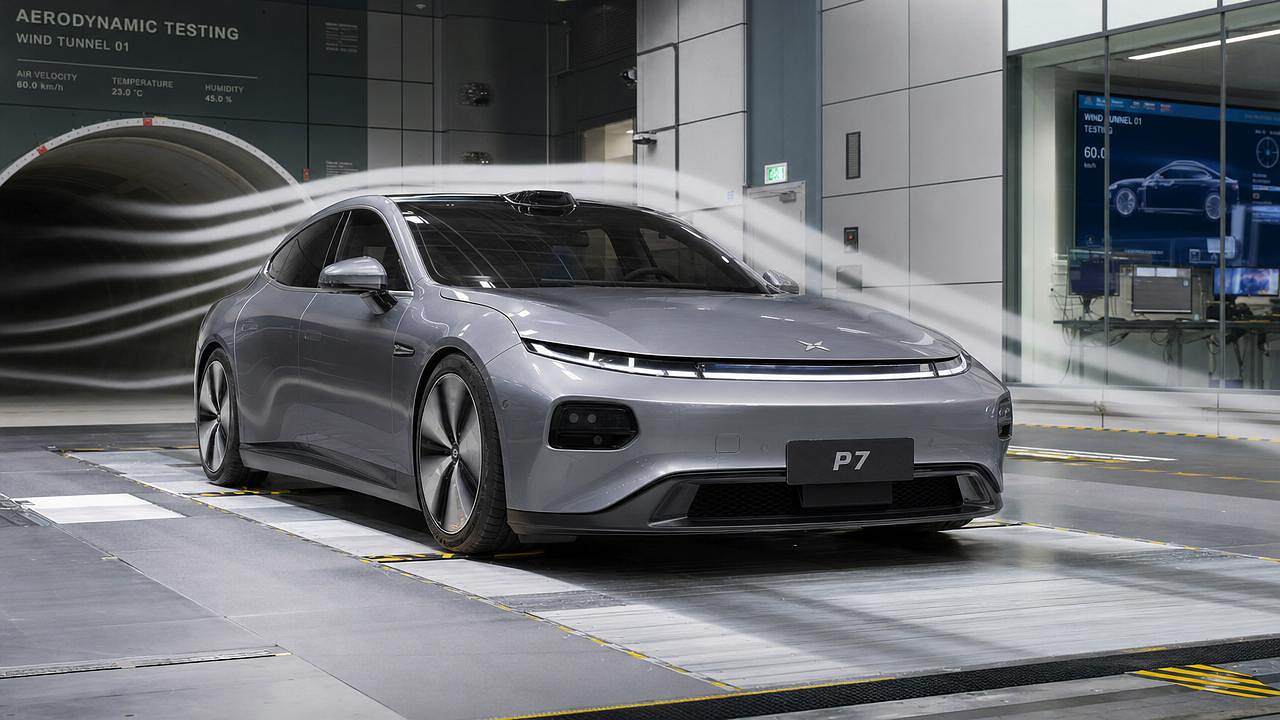
Many vehicle exterior architects still approach early EV styling as a visual exercise, overlooking how wheels, tires, lighting, sensor placement, and airflow decisions shape range, safety, and program risk from day one. For project managers and engineering leads, this gap often leads to costly downstream trade-offs. Understanding what gets missed early is essential to delivering EV exteriors that balance aesthetics, performance, compliance, and manufacturability.
For B2B teams managing EV programs, the issue is not simply whether a concept looks modern. It is whether the exterior package can survive 3 to 5 design freezes, pass regional compliance checks, support sensor performance, and protect range targets without repeated tooling changes.
That is where vehicle exterior architects need broader collaboration. In the EV era, a wheel opening, lamp signature, roof module, tire selection, or front fascia contour can affect aerodynamics, NVH, thermal behavior, optical perception, and launch timing within the first 8 to 12 weeks of concept development.
For project leaders working with suppliers, Tier 1 partners, and validation teams, early styling decisions should be treated as system decisions. This article examines what vehicle exterior architects commonly miss in early EV styling and how to reduce downstream program risk through better cross-functional alignment.
Why early EV styling fails when it is isolated from system engineering
The first blind spot is timing. Many styling reviews happen before aerodynamic, wheel, tire, lighting, and sensor teams have enough influence. By the time CFD feedback or lamp packaging constraints arrive, the visual theme may already be treated as fixed, even though only 20% to 30% of the engineering reality has been resolved.
A visually clean surface can hide aerodynamic penalties
EVs are more sensitive to drag because range is directly visible to end users. A small change in front-end opening management, wheel spoke geometry, or underbody airflow can shift aerodynamic performance enough to matter during homologation and marketing claims.
Exterior themes that prioritize dramatic surfacing often neglect brake cooling paths, wheelhouse turbulence, and wake control around mirrors, pillars, and rear lamps. In many programs, a 0.01 to 0.02 increase in Cd can trigger additional battery compensation, revised active shutters, or more expensive underfloor treatments later in development.
Typical early-stage aerodynamic misses
- Overly open wheel designs that increase drag while chasing visual lightness
- Front fascia forms that interfere with airflow around tire shoulders
- Roof and sunroof transitions that amplify wind noise above 80 to 100 km/h
- Rear lighting signatures that disrupt separation control and tail wake stability
For project managers, this matters because aerodynamic corrections after Class A surfacing are expensive. Tooling updates, supplier revalidation, and repeated CFD loops can extend release timing by 4 to 10 weeks depending on the maturity of the digital model and prototype schedule.
Wheels and tires are often treated as styling accessories instead of energy systems
Among the most overlooked areas by vehicle exterior architects are wheels and tires. Yet for EVs, these are not secondary details. They influence rolling resistance, curb weight, brake airflow, road noise, impact harshness, and visual stance all at once.
A large-diameter wheel may enhance showroom appeal, but moving from a 19-inch to a 21-inch package can add mass, reduce ride compliance, and narrow the tire choices available for low rolling resistance targets. If the design team does not involve tire dynamics experts early, appearance-driven wheel decisions can create conflicts across efficiency, comfort, and regional replacement strategy.
The table below highlights how common exterior styling decisions can create downstream engineering consequences in EV programs.
The pattern is clear: what appears to be a design refinement is often an engineering multiplier. For project leaders, the most effective response is to move wheel, tire, lamp, and sensor reviews forward by at least 1 concept gate rather than waiting for detailed package validation.
What vehicle exterior architects miss in the five systems that define EV exterior quality
A practical way to improve early EV styling is to review the exterior as five linked systems: roof, wheels, tires, lighting, and auto-sensing interfaces. This system view aligns well with how advanced intelligence platforms such as AEVS evaluate exterior performance and driving perception.
1. Electric sunroof systems are not just a glass shape question
Exterior teams often focus on the roofline silhouette while underestimating what an electric sunroof module does to NVH, mass distribution, sealing strategy, and thermal comfort. On EVs, where cabin quietness is more exposed, even minor wind boom or frame resonance becomes more noticeable.
A roof opening integrated too late can also limit electrochromic glass options, sunshade packaging, and rollover reinforcement paths. In practical terms, a 5 to 12 mm conflict in cross-section packaging can ripple into trim redesign, headliner updates, and supplier timing pressure.
What to review early
- Roof curvature versus module seal compression window
- Wind noise targets at 90, 110, and 120 km/h
- Glass tinting or dimming strategy versus cabin heat load
- Structural reinforcement impact on mass and center of gravity
2. Aluminum alloy wheels need aerodynamic and structural logic from the start
Vehicle exterior architects often choose wheel themes that fit brand language without fully modeling airflow and impact performance. For EVs, low-pressure casting and precision forging decisions affect more than appearance. They influence unsprung mass, damage tolerance, and the feasibility of aero-optimized spoke geometries.
A visually dense aero wheel may improve efficiency, but if brake airflow becomes insufficient under repeated urban stop-and-go conditions, thermal management concerns can emerge. On the other hand, a highly open design may improve cooling while sacrificing drag performance and acoustic comfort.
3. Tires are a strategic range, safety, and refinement choice
High-performance EV tires must manage instant torque, heavy curb weight, and low cabin masking noise. Early styling teams often specify proportions and stance first, then search for tires later. That sequence is risky because tire availability, rolling resistance, load index, and sidewall behavior do not always align with the desired visual package.
In many mainstream EV projects, tire tuning must balance 4 priorities at once: low rolling resistance, wet grip, noise control, and wear durability. Missing one can undermine customer satisfaction within the first 10,000 to 20,000 km of ownership.
4. LED headlight assemblies are now thermal and optical systems
Lighting is one of the most visible areas where vehicle exterior architects can over-prioritize form. Slimmer lamps, flush lenses, and animated signatures are attractive, but modern LED and matrix systems require disciplined thermal paths, optical alignment, and service access.
The shift from basic illumination to high-resolution adaptive functionality means package depth, heat dissipation, and sensor adjacency must be resolved early. Even a small reduction in allowable ventilation or heat sink space can affect lumen stability and long-duration operation.
5. Auto sensor switches and perception hardware cannot be hidden without consequence
Blind-spot monitoring, auto wipers, ambient light sensing, and smart headlight activation depend on reliable sensor placement. Exterior architects often try to conceal these interfaces for surface purity, but mm-wave and photoelectric systems are sensitive to material choice, contamination, angle, and line of sight.
If sensor-friendly zones are not protected in the first 2 or 3 package loops, later changes may force new bezels, revised surface thicknesses, or software workarounds. For project teams, that increases cost while also raising validation complexity across weather, dirt loading, and different regional traffic conditions.
The following comparison can help engineering leads prioritize what must be locked early and what can stay flexible through later styling refinement.
A disciplined lock strategy reduces avoidable churn. It does not remove design creativity, but it ensures that styling ambition is matched with packaging realism and supplier readiness.
How project managers can correct the gap before it becomes a launch risk
The biggest opportunity is procedural. When project teams create an exterior governance model that includes aerodynamics, optics, tire dynamics, compliance, and manufacturing from the beginning, vehicle exterior architects make better trade-offs and fewer late reversals.
Build a 5-gate exterior review instead of a styling-only approval loop
A strong EV exterior process usually works across 5 gates: concept intent, package feasibility, aero and thermal screening, compliance review, and supplier industrialization. Each gate should have no more than 6 to 8 pass-fail criteria so teams can focus on critical decisions rather than presentation detail.
- Gate 1: Brand expression, stance, dimensional envelope
- Gate 2: Wheel-tire feasibility, roof module package, lamp volume
- Gate 3: CFD, brake airflow, road noise, optical heat paths
- Gate 4: ECE or DOT applicability, visibility, lighting and sensor constraints
- Gate 5: Tooling readiness, tolerance stack, service access, supplier timing
Use a cross-functional scorecard with quantitative thresholds
Exterior themes become easier to compare when each option is evaluated against measurable criteria. Instead of asking which proposal looks best, ask which one best protects range, safety, launch timing, and aftermarket viability.
A practical scorecard may include 7 metrics: estimated drag impact, wheel mass effect, tire availability by region, lamp thermal margin, sensor visibility robustness, expected tooling change risk, and compliance complexity. A red-amber-green system can quickly reveal where a high-style proposal is also a high-risk proposal.
Recommended quantitative checkpoints
- At least 2 wheel and tire package options before visual sign-off
- At least 1 CFD review before Class A freeze
- Sensor and lighting package review within the first 30 to 45 days
- Regional compliance screening before prototype tooling release
Bring intelligence inputs into the design room earlier
This is where specialized industry intelligence becomes useful. Teams that track raw material cost movement, ECE or DOT changes, tire replacement trends, forged wheel demand, and smart headlight evolution can make stronger decisions before design intent becomes locked by internal politics or sunk cost.
For example, if aluminum cost volatility is high or a target market has growing demand for premium replacement tires, the exterior package strategy should reflect that. The same applies when a matrix lamp concept introduces thermal packaging burdens that conflict with a slim front-end vision.
Common misconceptions that continue to slow EV exterior programs
Several misconceptions repeat across programs, especially when vehicle exterior architects are judged mainly on concept appeal rather than total system performance.
“We can fix wheels and tires later”
This usually creates range, noise, and ride compromises. Wheel and tire decisions should be made early enough to influence the body side, wheel arch, brake package, and aero strategy. Waiting too long often means choosing from whatever remains feasible, not what is optimal.
“Slimmer lamps always look more advanced”
Not if the lamp cannot maintain optical performance or heat control. A premium EV lighting signature needs space for function, not just visual sharpness. If serviceability and heat management are ignored, the advanced look can become a warranty discussion.
“Hidden sensors are always better for design purity”
Concealment is valuable only when it does not degrade sensing reliability. Surface materials, contamination patterns, and angular placement matter. For smart mobility products, perception quality is part of the exterior brand experience, not an invisible backend issue.
“Aerodynamics can be solved by underbody work alone”
Underbody optimization helps, but it cannot fully recover losses created by poorly resolved wheelhouses, lamp edges, mirrors, roof transitions, or tire wake behavior. Exterior styling still sets the starting condition for efficient airflow management.
A more effective model for exterior decision-making in EV programs
The most capable teams now treat vehicle exterior architects as one part of a broader exterior intelligence system. That system combines aesthetics with aerodynamic simulation, optical engineering, tire dynamics, sensor integration, material cost awareness, and compliance planning.
For project managers and engineering leads, the goal is not to limit styling ambition. It is to make sure that exterior concepts can scale into production-ready EV products with fewer late changes, clearer supplier direction, and better alignment between appearance and real-world performance.
AEVS supports this kind of decision-making by focusing on the five systems that most directly shape EV exterior quality: electric sunroof systems, aluminum alloy wheels, high-performance tires, LED headlight assemblies, and auto sensor switches. When these areas are considered together rather than in isolation, program teams gain a more realistic path to efficiency, safety, and premium differentiation.
If your team is evaluating early EV styling directions, sourcing exterior components, or balancing design intent with engineering risk, now is the time to review the full exterior system before trade-offs become costly. Contact us to discuss a tailored exterior and vision strategy, request deeper component insights, or explore more solutions for next-generation EV programs.