
Industry Portal
Related News
- 00
0000-00
ECE-Compliant Lighting for Commercial Vehicles: Approval and Installation Checks - 00
0000-00
Laser Adaptive Headlights: What to Check for Range and Glare Control - 00
0000-00
Precision Forging for Aluminum Wheels: Alloy Selection and Fatigue Performance - 00
0000-00
NEV Industry Standards in China: Which Battery Safety Tests Are Required? - 00
0000-00
Automotive Exterior Lighting Systems: Lamp Types, Functions, and Placement
What vehicle exterior architects look for in early design
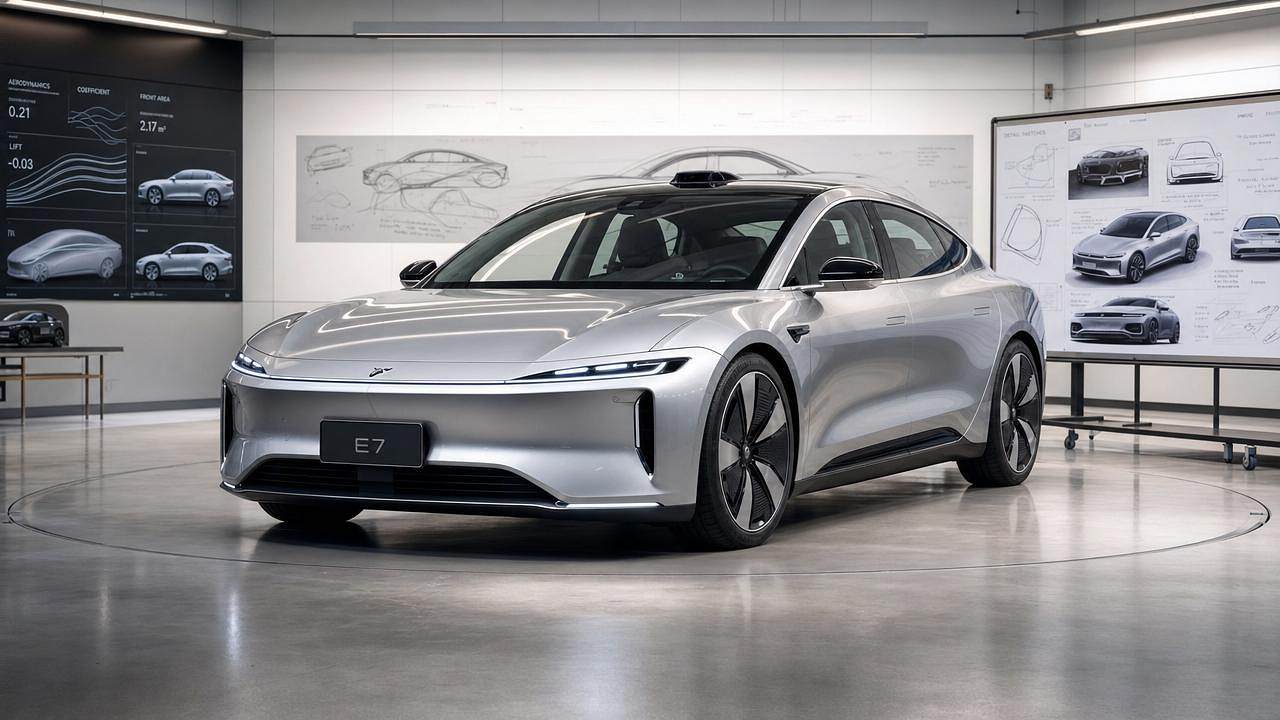
In early vehicle programs, vehicle exterior architects assess much more than visual appeal. They translate styling ambition into feasible geometry, balancing airflow, lighting, wheel packaging, sensors, safety rules, and NEV efficiency targets.
That shift matters across the broader mobility value chain. Stronger early alignment reduces redesign loops, supports faster decisions, and helps teams build exterior concepts that remain attractive, manufacturable, compliant, and future-ready.
Why vehicle exterior architects are gaining more influence in early design
The role of vehicle exterior architects has expanded with electrification, software-defined functions, and stricter energy targets. Exterior design now carries aerodynamic, optical, structural, and sensing responsibilities at the same time.
For NEVs especially, small exterior decisions can reshape range, cabin comfort, noise, safety perception, and brand identity. Early design reviews therefore demand deeper technical judgment than traditional styling gates once required.
This is where vehicle exterior architects become critical connectors. They align surfacing teams, wheel and tire experts, lighting engineers, sensor specialists, and compliance requirements before expensive tooling paths are locked.
The strongest trend signals shaping what vehicle exterior architects look for
Several market signals are changing the criteria used by vehicle exterior architects. These signals are not isolated. They interact and often create trade-offs that must be resolved early.
- EV range pressure is pushing lower drag surfaces and cleaner wheel airflow.
- Advanced lighting is becoming both a safety system and a brand signature.
- Sensor integration is moving from hidden compromise to visible design strategy.
- Larger battery packs are increasing sensitivity to weight and tire efficiency.
- ECE and DOT expectations are tightening exterior execution constraints.
- Consumers expect premium, silent, and intelligent surfaces across more segments.
As a result, vehicle exterior architects increasingly favor concepts that look simple but solve multiple engineering problems simultaneously. Complexity is acceptable only when it creates measurable value.
What vehicle exterior architects evaluate first in concept reviews
In early reviews, vehicle exterior architects often screen concepts through a practical lens. The question is not whether a sketch is attractive. The question is whether the concept can survive development pressure.
1. Aerodynamic integrity from the first surfaces
Front fascia shape, hood shut lines, roof curvature, underbody transitions, and rear separation all matter early. Vehicle exterior architects look for forms that support stable airflow before detailed optimization begins.
Wheel openings and brake cooling paths also receive attention. Poor early proportions can create drag, turbulence, lift, and road noise penalties that become difficult to correct later.
2. Lightweight potential without visual compromise
Vehicle exterior architects examine whether a design can support aluminum, mixed-material structures, and lightweight closure strategies. They do not want styling themes that demand unnecessary mass or reinforcement.
They also assess the impact of panoramic roof systems, trim choices, and wheel sizes on total vehicle efficiency. In NEVs, appearance cannot be separated from energy consequences.
3. Lighting integration as architecture, not decoration
LED headlight assemblies now influence package depth, thermal management, legal visibility zones, and front-end identity. Vehicle exterior architects want lighting signatures that remain feasible across cost and regulation scenarios.
They also consider glare control, matrix projection potential, serviceability, and weather sealing. A striking lamp graphic is useful only if the full module can be integrated reliably.
4. Wheel and tire harmony with exterior intent
Aluminum alloy wheels and high-performance tires shape stance, efficiency, and driving perception. Vehicle exterior architects evaluate whether wheel design supports airflow, brake thermal needs, and curb-impact durability.
Tire section, sidewall height, and rolling resistance targets also influence visual balance. Oversized themes may look dramatic, but they can undermine range, comfort, and noise objectives.
5. Sensor placement that protects both function and brand language
Auto sensor switches, cameras, radar modules, and photoelectric devices require clean sight lines. Vehicle exterior architects check whether these components can be integrated without harming surface purity or performance.
This includes contamination risks, bumper material compatibility, wash patterns, repair exposure, and nighttime perception. Good integration keeps technology present, but not visually disruptive.
The main forces behind these evaluation priorities
How these priorities affect development across the business chain
The decisions made by vehicle exterior architects ripple through concept approval, supplier feasibility, simulation work, tooling strategy, and aftermarket positioning. Exterior architecture now influences both launch timing and lifecycle value.
When early architecture is weak, later teams inherit conflicts. Common examples include sensor interference, excessive wheel drag, lamp thermal issues, roof weight growth, and tire choices that miss NVH targets.
- Design teams face fewer late styling sacrifices when feasibility is tested early.
- Engineering teams gain cleaner CFD, thermal, and compliance pathways.
- Supply chains can align material and tooling assumptions sooner.
- Commercial planning benefits from stronger premium differentiation logic.
This cross-functional value explains why intelligence platforms such as AEVS matter. Exterior decisions increasingly require linked insight on optics, tires, wheels, regulations, lightweight materials, and market evolution.
What to monitor most closely when supporting vehicle exterior architects
The most useful support comes from tracking the issues that create expensive changes later. Vehicle exterior architects benefit when early information is technical, comparative, and decision-ready.
- Wheel aero behavior under realistic brake cooling requirements
- Tire compounds balancing grip, silence, durability, and rolling resistance
- Smart headlight thermal models and anti-glare performance limits
- Sensor cover materials and contamination management strategies
- ECE and DOT shifts affecting lamp geometry and visibility zones
- Aluminum and rubber cost swings that alter concept economics
- Sunroof system impacts on mass, sealing, and overhead NVH
A practical response framework for earlier and better exterior decisions
The next judgement call: beauty alone is no longer enough
The core lesson is clear. Vehicle exterior architects are no longer selecting forms only for beauty. They are selecting exterior systems that must perform across airflow, optics, sensors, weight, comfort, and regulation.
That is why early design discipline matters more than ever. Better intelligence at the start creates stronger styling confidence, faster convergence, and fewer downstream compromises.
For teams tracking exterior evolution, AEVS provides a useful lens on the technologies shaping these choices. Monitoring wheels, tires, smart lighting, sensor switches, and roof systems together leads to sharper early decisions.
If the goal is to support vehicle exterior architects effectively, start by comparing concept proposals against aerodynamic logic, sensing clarity, lighting feasibility, lightweight potential, and compliance exposure before styling assumptions harden.