
Industry Portal
Related News
- 00
0000-00
ECE-Compliant Lighting for Commercial Vehicles: Approval and Installation Checks - 00
0000-00
Laser Adaptive Headlights: What to Check for Range and Glare Control - 00
0000-00
Precision Forging for Aluminum Wheels: Alloy Selection and Fatigue Performance - 00
0000-00
NEV Industry Standards in China: Which Battery Safety Tests Are Required? - 00
0000-00
Automotive Exterior Lighting Systems: Lamp Types, Functions, and Placement
What vehicle exterior architects look for in early design
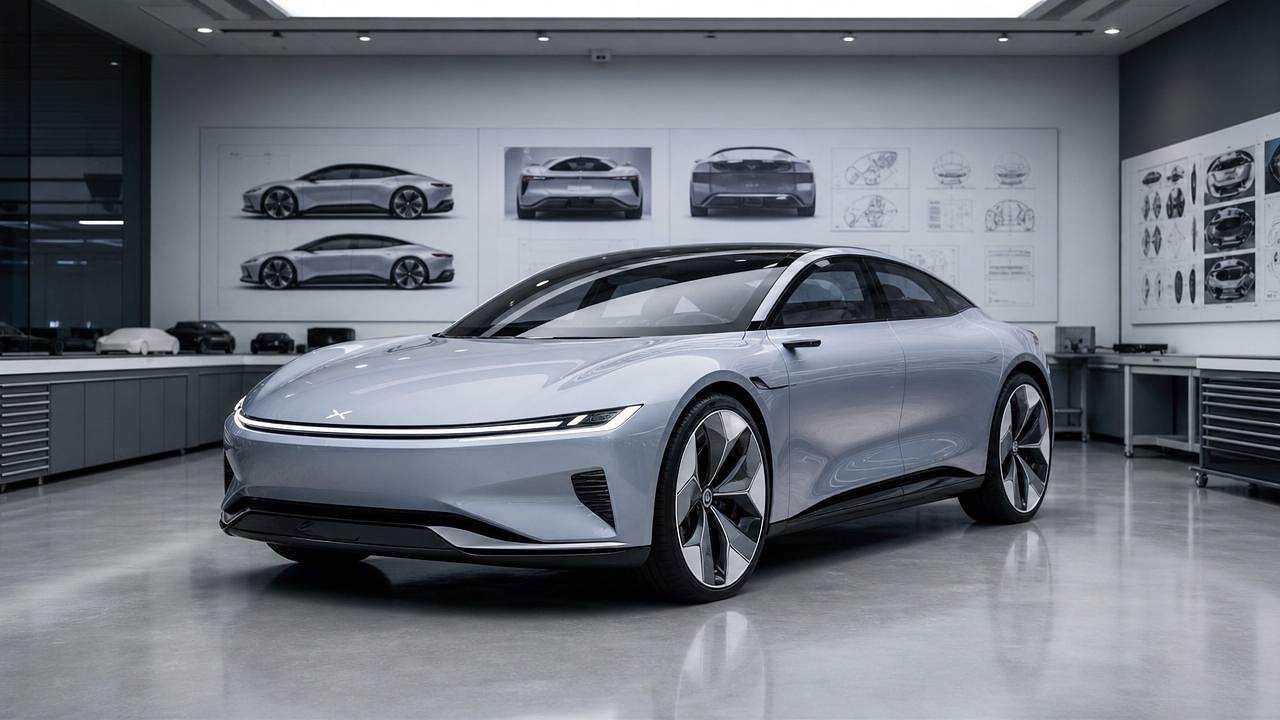
In early vehicle development, vehicle exterior architects evaluate far more than styling direction. They balance aerodynamics, lighting integration, lightweight materials, wheel and tire performance, sensor placement, and regulatory demands to shape designs that are visually compelling, production-ready, and efficient for modern NEVs. Understanding these priorities helps project managers and engineering leaders align design intent with performance, cost, and launch targets from the very beginning.
Why vehicle exterior architects matter so early in a NEV program
For project managers, the earliest design gate often looks deceptively simple: confirm the exterior theme, lock package hard points, and move toward engineering release. In reality, this is the stage where vehicle exterior architects define whether the program will later struggle with range loss, headlamp thermal issues, wheel airflow conflicts, sensor blind zones, or costly homologation changes.
The work of vehicle exterior architects sits between design ambition and engineering feasibility. They translate visual intent into a body system that can support aerodynamic targets, visibility performance, component packaging, manufacturability, and cross-functional timing. For NEV platforms, the pressure is even higher because energy efficiency, weight reduction, and smart perception functions all directly affect product competitiveness.
This is why early exterior architecture decisions should not be treated as surface styling choices. They are program-level decisions with effects on tooling investment, sourcing options, validation complexity, and aftersales serviceability.
- They reduce redesign loops by exposing conflicts between appearance, sensors, lamp packaging, and wheel-tire envelopes before concept freeze.
- They help control downstream cost by identifying where premium features add value and where simpler alternatives protect margins.
- They support compliance planning by accounting for ECE, DOT, visibility, lighting, and road-contact requirements early enough to avoid launch risk.
What project leaders usually miss at concept stage
A common mistake is treating components such as sunroof systems, alloy wheels, tires, LED headlamps, and auto sensor switches as separate purchasing streams. Vehicle exterior architects do not see them that way. They see a coupled system in which roof cutout affects stiffness and NVH, wheel form influences brake cooling and drag, tire selection changes stance and rolling resistance, and sensor placement can reshape the front fascia.
AEVS focuses precisely on this coupled logic. Its intelligence framework connects vehicle aesthetics, dynamic driving perception, optical performance, lightweighting, and commercial feasibility so project teams can judge not just parts, but the system behavior created by those parts.
What vehicle exterior architects look for in early design reviews
Before a platform reaches detailed engineering, vehicle exterior architects screen the proposal through several high-impact filters. The table below helps project managers understand which design factors typically drive early approval, rework, or escalation.
For engineering leaders, the value of this review logic is speed with control. Instead of debating styling in abstract terms, teams can frame decisions around measurable effects on efficiency, safety, compliance, and launch timing.
The five exterior priorities that shape architecture decisions
Vehicle exterior architects typically concentrate on a short list of system priorities that have outsized impact on modern NEVs. These align closely with the AEVS focus areas.
- Lightweight exterior structures that support energy efficiency without creating durability concerns.
- Wheel and tire combinations that protect range, handling confidence, and visual proportion at the same time.
- Advanced headlamp systems that combine legal compliance, thermal stability, and strong brand identity.
- Sensor and switch integration that preserves clean exterior surfaces while supporting reliable smart functions.
- Roof and glazing concepts that improve occupant comfort, perceived space, and noise performance.
How early architecture choices affect sourcing, cost, and delivery
Project managers rarely have the luxury of optimizing only one variable. A bold lamp design may raise thermal burden. A larger wheel may strengthen market appeal but increase drag, tire cost, and curb damage exposure. A panoramic roof may improve showroom appeal while adding sealing complexity and weight. Vehicle exterior architects work by trading these impacts against the program brief.
The challenge is not simply choosing the best component. It is choosing the best combination that the supply chain can support within target cost and release timing. This is especially important when raw material volatility affects aluminum wheels and rubber-based tire systems, or when global compliance differences force regional variants.
A practical decision matrix for project management teams
When reviewing proposals with vehicle exterior architects, use a weighted matrix rather than relying on styling preference or supplier presentations alone. The table below shows a practical structure for early decision meetings.
This kind of matrix is where AEVS adds value. Its Strategic Intelligence Center connects technical evolution, compliance tracking, and commercial insights so teams can compare not only design options but also their business consequences.
Where vehicle exterior architects focus across key exterior systems
A closer look at the main subsystems shows why exterior architecture is not a narrow styling discipline. Each decision area creates ripple effects across engineering, sourcing, and customer perception.
Electric sunroof systems
Vehicle exterior architects evaluate roof opening size, edge sealing, water drainage, head impact zones, and NVH trade-offs. Electrochromic dimming can improve thermal comfort and premium feel, but only if power consumption, control logic, and integration complexity are managed from the beginning.
Aluminum alloy wheels
For NEVs, wheels are more than design statements. Architects review spoke geometry, aerodynamic behavior, mass, brake airflow, and impact strength. Low-pressure casting and forging options may support different cost and performance targets, so the right choice depends on vehicle positioning, curb weight, and range expectations.
High-performance tires
Because the tire is the only road contact point, early selection strongly affects rolling resistance, grip, cabin noise, and torque handling. Vehicle exterior architects also watch how tire section width and sidewall profile influence the stance, wheel arch gap, and aerodynamic wake.
LED headlight assemblies
Modern lamps combine illumination, signature design, thermal management, electronics packaging, and regulatory control. Million-pixel matrix concepts may enhance interaction and guidance, but they also create stronger demands for heat dissipation, software validation, and legal-market adaptation.
Auto sensor switches
Blind-spot monitoring, automatic wipers, and smart headlight activation rely on sensor placement that remains effective in rain, dirt, glare, and varying road conditions. Exterior architects therefore check housing exposure, surface treatment compatibility, and signal reliability under real-world contamination scenarios.
How to work better with vehicle exterior architects during program execution
Strong collaboration reduces friction between design, purchasing, validation, and manufacturing. Project managers do not need to become exterior specialists, but they do need a disciplined review process that makes hidden assumptions visible.
- Freeze system-level targets early, including drag direction, lighting class strategy, wheel size range, tire rolling resistance priority, and sensor function scope.
- Ask suppliers for integration evidence, not only component brochures. Packaging drawings, airflow implications, thermal paths, and service access matter more than isolated feature claims.
- Separate must-have appearance features from negotiable surfaces. This creates room to solve compliance or thermal issues without damaging brand identity.
- Review regional compliance assumptions before tooling commitment. Lighting and visibility details can alter outer lens forms, switch logic, or reflector treatments.
- Track cost drivers structurally. Aluminum pricing, rubber compound trends, advanced optical electronics, and premium coatings can shift sourcing decisions quickly.
A four-step review rhythm that saves time
- Concept review: confirm design intent against package, airflow, and visible sensor constraints.
- Architecture review: test subsystem interaction across lamp, roof, wheel, tire, and fascia zones.
- Feasibility review: align supplier process capability, validation plan, and compliance path.
- Commercial review: compare BOM impact, lead time sensitivity, and replacement market implications.
Common mistakes and FAQ for project managers
Do vehicle exterior architects only care about appearance?
No. Appearance is only one layer. Vehicle exterior architects are usually assessing whether the visible form can carry aerodynamic, optical, structural, sensor, and manufacturing requirements without creating hidden penalties. In NEV programs, this system view is central because even small exterior changes can influence range and smart-function reliability.
When should project teams involve vehicle exterior architects in supplier discussions?
They should be involved before supplier nomination if the part changes visible surfaces, airflow, thermal behavior, or sensor performance. Waiting until quotation or tooling review often means the architecture has already narrowed the solution space too much, making cost-effective optimization difficult.
What is the most overlooked risk in early exterior design?
The most overlooked risk is interaction between subsystems. A wheel selected for brand image may alter airflow and raise drag. A lamp signature may consume packaging needed for cooling. A sensor hidden for styling reasons may suffer contamination. These are not isolated errors; they are architecture coordination failures.
How can a team balance premium features with budget pressure?
Start by ranking customer-visible value against engineering cost and program risk. Some premium features, such as advanced wheels or smart lighting, may justify investment when they reinforce efficiency and brand differentiation. Others may look attractive but introduce disproportionate tooling, validation, or service costs. Vehicle exterior architects help separate strategic upgrades from decorative complexity.
What information should project managers prepare before an exterior architecture review?
Bring target range, curb weight direction, market region plan, expected wheel sizes, lighting positioning, sensor feature list, roof option strategy, and timing assumptions. Without these inputs, even experienced vehicle exterior architects can only comment on design quality, not on business fit.
Why AEVS is a useful intelligence partner for exterior and vision decisions
AEVS is built for teams that need more than fragmented product news. Its coverage of electric sunroof systems, aluminum alloy wheels, high-performance tires, LED headlight assemblies, and auto sensor switches supports a system-level understanding of exterior performance and market direction.
For project managers and engineering leaders, that means access to decision support across multiple layers: technical evolution, compliance observation, raw material movement, and commercial opportunity. Instead of evaluating one component at a time, teams can judge how exterior choices affect aesthetics, dynamic perception, energy efficiency, and sourcing strategy together.
The Strategic Intelligence Center is especially relevant when a program must move fast without sacrificing technical credibility. Insights into smart headlight thermal models, CFD implications inside low-drag wheels, tire chemistry evolution, and regional traffic compliance can sharpen early reviews and reduce late-stage surprises.
Contact us for architecture-focused decision support
If your team is evaluating early design directions, AEVS can support discussions that go beyond surface styling. You can consult on parameter confirmation for wheels, tires, lighting, roof systems, and sensor layouts; compare solution paths for performance versus cost; and clarify likely compliance considerations across target markets.
You can also discuss sourcing-sensitive topics such as delivery window expectations, material cost exposure, replacement market demand, sample evaluation priorities, and customization paths for premium exterior components. This is particularly useful when your program must balance launch schedule, supplier readiness, and strong product differentiation.
For project managers working with vehicle exterior architects, the right questions asked early can prevent months of redesign later. Contact AEVS to review design assumptions, shortlist feasible solutions, align technical and commercial priorities, and prepare more confidently for quotation, validation, and production release.