Industry Portal
Related News
- 00
0000-00
ECE-Compliant Lighting for Commercial Vehicles: Approval and Installation Checks - 00
0000-00
Laser Adaptive Headlights: What to Check for Range and Glare Control - 00
0000-00
Precision Forging for Aluminum Wheels: Alloy Selection and Fatigue Performance - 00
0000-00
NEV Industry Standards in China: Which Battery Safety Tests Are Required? - 00
0000-00
Automotive Exterior Lighting Systems: Lamp Types, Functions, and Placement
How automotive exterior components shape cost and safety
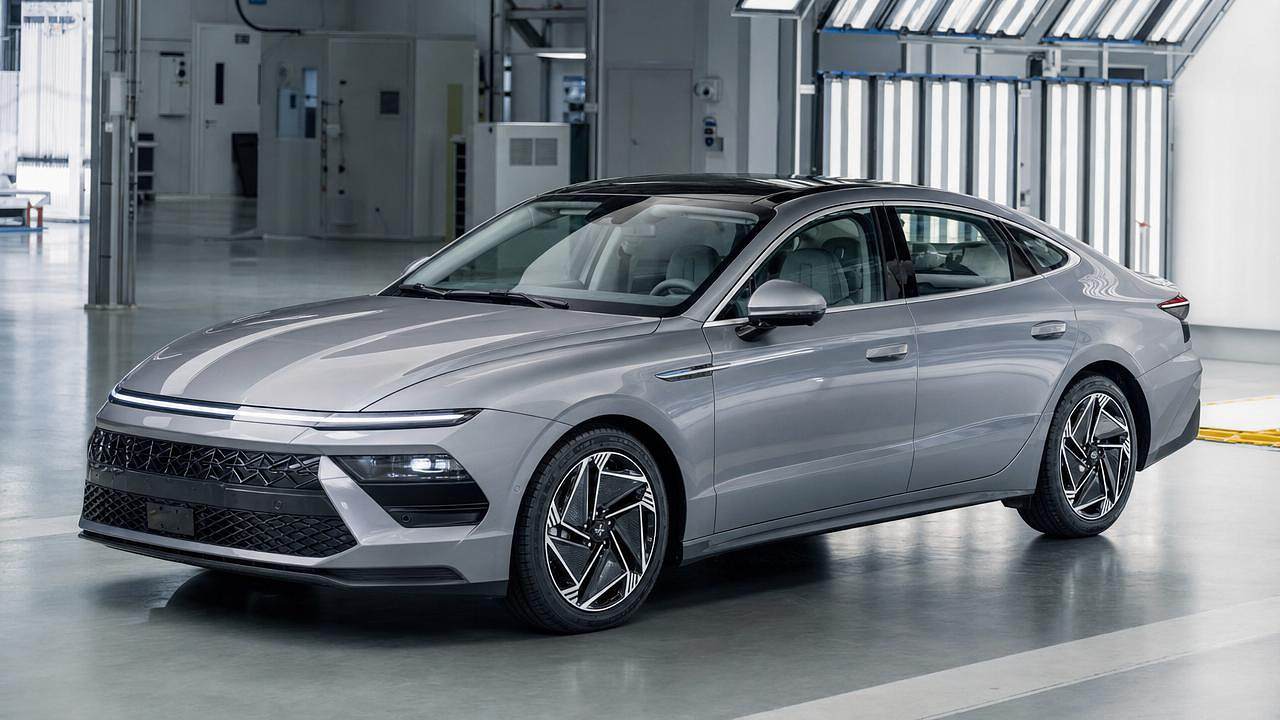
For procurement teams, automotive exterior components are no longer simple styling parts—they directly influence vehicle cost, energy efficiency, compliance, and road safety. From alloy wheels and tires to LED headlights, sensor switches, and sunroof systems, every sourcing decision affects performance, durability, and total value. Understanding these links helps buyers reduce risk, control budgets, and secure competitive supply advantages.
Why automotive exterior components matter far beyond appearance
Many buyers still meet automotive exterior components first as a styling or trim category. In practice, they sit at the intersection of cost engineering, user safety, compliance, and EV efficiency. A wheel design changes drag and brake cooling. A tire specification affects range, wet grip, and replacement claims. A headlamp module influences visibility, heat management, and regulatory approval.
For procurement personnel, this means supplier evaluation cannot stop at unit price. The better question is: which exterior system delivers the lowest total commercial risk over the product lifecycle? That includes sourcing stability, defect exposure, homologation pressure, and aftermarket service burden.
- Lightweight exterior parts can improve energy efficiency, especially in NEV platforms where every kilogram may influence range and handling.
- Vision systems and sensor-linked exterior parts directly affect active safety functions, visibility, and driver assistance reliability.
- Material and process choices shape warranty cost, logistics complexity, corrosion resistance, and repair economics.
This is where AEVS brings practical value. Its focus on lightweight exteriors, ground contact systems, and smart optical perception helps procurement teams connect engineering detail with sourcing decisions, especially when balancing aerodynamic targets, optical performance, and compliance requirements across global programs.
Which exterior systems most strongly shape cost and safety?
Not every component carries the same purchasing risk. The table below highlights how key automotive exterior components influence both commercial outcomes and vehicle safety. It is useful when preparing RFQs, supplier scorecards, or cross-functional sourcing reviews.
A clear lesson emerges: the most important automotive exterior components are not isolated purchases. They are system decisions. Buyers who understand performance interdependence usually avoid late engineering changes, excess warranty exposure, and hidden launch cost.
Why EV and smart mobility platforms raise the stakes
EV architectures magnify trade-offs. Heavier battery packs increase tire and wheel load stress. Silent cabins make wind noise from sunroofs or mirrors easier to detect. Advanced driver assistance requires more stable optical and sensing performance. Procurement teams therefore need more than a standard component checklist; they need a system-level sourcing perspective.
AEVS addresses this shift by tracking material cost changes, optical technology evolution, aerodynamic behavior, and compliance developments. That combination helps buyers see not just what a part costs today, but how it may perform commercially over the next sourcing cycle.
How cost is really built into automotive exterior components
Direct purchase price is only the visible layer. For automotive exterior components, actual cost is built from tooling, materials, yield, logistics protection, validation, compliance, and field performance. Procurement teams that miss these elements often select low-price offers that become high-cost programs.
The most common hidden cost layers
- Material volatility. Aluminum and rubber are highly exposed to market swings, making index-linked contracts and sourcing flexibility important.
- Process selection. Forged wheels, advanced coatings, or matrix LED modules can deliver better performance but require higher process discipline and investment.
- Validation burden. Water ingress tests, vibration tests, thermal cycles, impact tests, and road simulations add time and cost before SOP.
- Packaging and transport. High-value optical assemblies and coated wheels are vulnerable to cosmetic damage, which can increase returns and repack costs.
- Aftermarket implications. If replacement complexity is high, service channels may face higher claim rates and lower customer satisfaction.
This is why procurement teams should request a total-cost view during sourcing, especially for automotive exterior components with strong safety or homologation implications.
The next table can support sourcing reviews by comparing common cost levers against operational risk. It is especially relevant when evaluating whether a higher-spec exterior solution truly pays back.
The purchasing takeaway is simple: saving on one specification line may increase cost elsewhere. AEVS supports better judgment here by linking raw material trends, technical evolution, and aftermarket demand, which is especially useful when procurement must defend specification decisions to finance and engineering teams.
What procurement teams should verify before supplier nomination
When sourcing automotive exterior components, a practical nomination process should test not only price competitiveness but also production maturity and compliance readiness. This is essential for buyers handling global programs, multi-plant launches, or mixed OEM and aftermarket channels.
Core evaluation checklist
- Confirm whether the supplier’s process matches the intended performance level, such as forged versus cast wheels or basic LED versus matrix headlamp architecture.
- Review regional compliance readiness for ECE, DOT, labeling, photometric, and durability expectations where relevant.
- Ask for validation scope, including corrosion, impact, thermal cycling, sealing, UV aging, and vibration data categories.
- Check supply chain resilience for aluminum, rubber, electronic chips, optics materials, and sealing components.
- Map warranty risk by failure mode, not by average defect rate alone. Cosmetic issues, glare complaints, leakage, and abnormal noise all carry different cost profiles.
A sourcing decision is stronger when technical, quality, and purchasing teams use one review language. AEVS helps create that shared language by translating aerodynamic, optical, and material intelligence into buyer-ready decision signals.
Questions buyers should ask during RFQ and technical review
For wheels, ask how the design balances mass, strength, and brake airflow. For tires, ask how the compound performs under high EV torque and heavier curb weight. For headlights, ask how thermal management protects luminous stability over time. For sensor switches, ask about false-trigger control in rain, dust, and mixed light conditions. For sunroofs, ask about NVH and drainage performance after aging.
These questions move the discussion beyond brochure claims. They also help procurement identify which supplier can support long-term platform reliability rather than only initial sourcing cost.
How standards and compliance affect sourcing risk
Compliance is often where automotive exterior components become expensive. A technically acceptable part may still fail a target market if documentation, test scope, marking, or photometric interpretation is incomplete. For buyers, this creates launch delays and unplanned engineering loops.
Typical compliance pressure points
- Lighting systems may require close attention to beam pattern, glare control, signal visibility, and region-specific approval logic.
- Wheels and tires must align with load, speed, and durability expectations, especially where vehicle mass or power characteristics are changing.
- Sensor-related exterior parts must maintain reliable performance under dirt, water, vibration, and temperature shifts.
- Sunroof systems require consistent sealing, structural integration, and user safety functions under repeated use.
AEVS is particularly useful here because it follows traffic compliance developments and technical evolution together. That matters when a buyer must compare product feasibility across regions rather than within a single domestic specification framework.
Common procurement mistakes with automotive exterior components
Even experienced teams can underestimate the complexity of automotive exterior components. Most mistakes do not come from poor intent; they come from incomplete evaluation models.
Mistakes that frequently increase total cost
- Treating appearance parts as low-risk parts, even when they affect vehicle dynamics, visibility, or ADAS support.
- Comparing suppliers by quotation only, without normalizing tooling scope, validation depth, and packaging requirements.
- Ignoring raw material trend exposure, especially for aluminum wheels and rubber-intensive tire programs.
- Underestimating thermal and optical complexity in advanced LED headlight assemblies.
- Assuming one specification can cover all regions, climates, and regulatory scenarios.
A more disciplined approach is to classify automotive exterior components by risk type: safety-critical, compliance-sensitive, range-sensitive, and brand-sensitive. That structure helps teams assign effort where sourcing decisions matter most.
FAQ: what buyers often ask before making a decision
How should we prioritize automotive exterior components in a limited budget program?
Prioritize by vehicle impact, not by part count. Tires, wheels, headlights, and sensor-linked systems usually deserve earlier review because they affect safety, compliance, and customer perception at the same time. Lower-risk trim items can often be optimized later without changing core vehicle behavior.
Are premium exterior specifications always worth the extra cost?
Not always. A premium forged wheel or advanced matrix LED package makes sense only when the vehicle segment, load case, range target, and market positioning support it. Buyers should test whether the upgrade reduces lifecycle cost, supports a pricing premium, or improves compliance confidence. If not, a simpler solution may be commercially wiser.
What is the biggest hidden risk when sourcing LED headlights or sensor switches?
Integration risk is often larger than unit price risk. Thermal behavior, software compatibility, sealing durability, and false-trigger performance can all create delays. Procurement teams should involve engineering and validation colleagues early, especially for smart optical and sensing modules.
How can we reduce volatility in wheel and tire sourcing?
Monitor aluminum and rubber trend exposure, build alternate supplier visibility, and align contract terms with realistic volume and material index assumptions. Intelligence from platforms like AEVS can help buyers understand whether price movement reflects short-term noise or a structural market shift.
Why informed sourcing wins in the next mobility cycle
Automotive exterior components are becoming more technical, more connected, and more visible to end users. Lightweight wheels support efficiency. High-performance tires shape noise and grip. Smart headlights combine optics, electronics, and thermal design. Sensor switches extend the intelligence of the vehicle body. Sunroof systems now blend comfort, NVH, and advanced materials.
For procurement teams, the opportunity is clear: better sourcing decisions can protect cost, improve safety, and support stronger vehicle differentiation. The challenge is that these decisions now depend on integrated market and technical intelligence, not only on supplier quotes.
Why choose us for exterior and vision sourcing insight
AEVS is built for buyers who need to understand how automotive exterior components perform in the real commercial world. Our focus spans electric sunroof systems, aluminum alloy wheels, high-performance tires, LED headlight assemblies, and auto sensor switches, supported by a Strategic Intelligence Center that follows compliance, raw material shifts, thermal models, aerodynamic behavior, and aftermarket demand signals.
If you are evaluating suppliers or preparing a sourcing plan, you can consult us on parameter confirmation, product selection logic, delivery cycle considerations, custom solution direction, certification requirements, sample support planning, and quotation communication priorities. This helps procurement teams move faster with clearer technical and commercial judgment.
When cost pressure and safety expectations rise together, informed decisions matter more than ever. Use AEVS to compare options earlier, identify sourcing risks sooner, and build an exterior component strategy that supports both competitiveness and long-term vehicle value.