
Industry Portal
Related News
- 00
0000-00
ECE-Compliant Lighting for Commercial Vehicles: Approval and Installation Checks - 00
0000-00
Laser Adaptive Headlights: What to Check for Range and Glare Control - 00
0000-00
Precision Forging for Aluminum Wheels: Alloy Selection and Fatigue Performance - 00
0000-00
NEV Industry Standards in China: Which Battery Safety Tests Are Required? - 00
0000-00
Automotive Exterior Lighting Systems: Lamp Types, Functions, and Placement
How raw material cost fluctuations affect part pricing
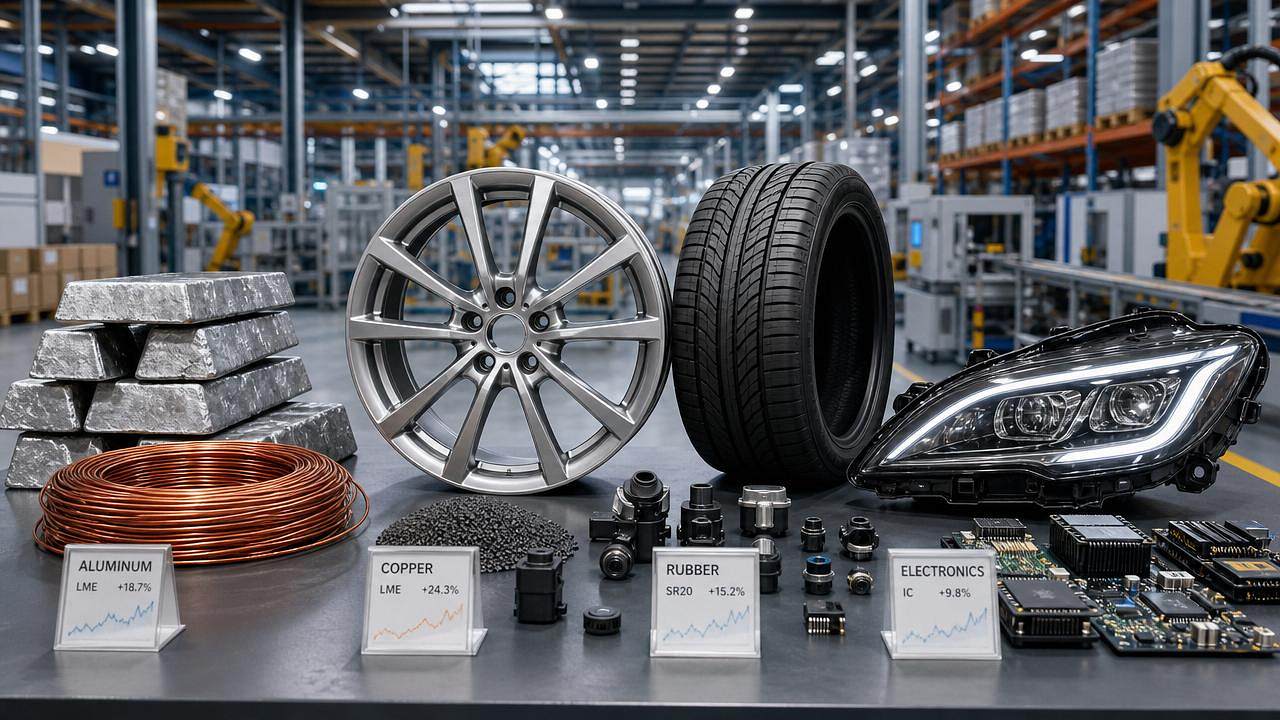
For the automotive parts supply chain, raw material cost fluctuations are not a background issue. They directly influence quoting speed, sourcing confidence, inventory timing, and margin stability.
Across aluminum wheels, high-performance tires, LED headlight assemblies, sunroof systems, and sensor switches, material volatility can change part pricing faster than many planning cycles expect.
In a market shaped by electrification, compliance pressure, and global capacity shifts, understanding raw material cost fluctuations supports better purchasing decisions and stronger commercial resilience.
What raw material cost fluctuations mean in part pricing
Raw material cost fluctuations refer to repeated changes in input prices such as aluminum, steel, rubber, resin, copper, rare earths, glass, and electronic components.
These movements affect direct material cost first. Then they influence tooling decisions, freight choices, safety stock levels, and supplier risk premiums.
Part pricing rarely moves in a simple one-to-one pattern. Conversion cost, scrap rate, energy use, yield loss, and contract structure also shape the final quote.
For example, an aluminum wheel may follow metal index changes, but forging efficiency, machining time, and finish requirements determine how much cost reaches the invoice.
A tire may react to natural rubber and synthetic rubber trends, yet carbon black, silica, oil derivatives, curing energy, and logistics can reshape the total price path.
That is why raw material cost fluctuations matter most when viewed through complete cost structure, not commodity headlines alone.
Why the automotive exterior and vision sector watches this closely
Automotive exterior and vision systems are material-intensive, specification-driven, and deeply exposed to technical compliance. Small cost shifts can affect premium products more than standard components.
AEVS tracks this closely because vehicle aesthetics, lightweighting, energy efficiency, and safety all depend on materials with globally traded price exposure.
- Aluminum alloy wheels depend on primary aluminum, scrap availability, alloying elements, and energy-intensive processing.
- High-performance tires depend on natural rubber, synthetic rubber, silica, carbon black, textile cord, and petrochemical inputs.
- LED headlight assemblies rely on plastics, chips, copper, aluminum heat sinks, coatings, and optical-grade materials.
- Electric sunroof systems use glass, aluminum rails, motors, seals, and electronic control materials.
- Auto sensor switches depend on semiconductors, molded housings, connectors, and sensing elements.
Because these systems connect product performance with appearance and regulation, raw material cost fluctuations can influence both cost targets and engineering choices.
Core drivers behind raw material cost fluctuations
Several forces usually work together. Watching only spot prices gives an incomplete picture of part pricing risk.
In recent years, raw material cost fluctuations have become more synchronized with energy markets, geopolitical events, and transport bottlenecks.
That trend makes older annual pricing assumptions less reliable, especially for technically complex automotive parts with global sourcing footprints.
How cost volatility moves through different part categories
Aluminum alloy wheels
Wheel pricing is highly sensitive to aluminum benchmarks, alloy mix, scrap recovery, and power cost. Forged wheels often show stronger exposure than lower-spec cast alternatives.
Surface finishing also matters. Paint, machining, polishing, and corrosion requirements can amplify the effect of raw material cost fluctuations on premium wheel programs.
High-performance tires
Tire cost moves with natural rubber, synthetic elastomers, carbon black, silica, bead wire, and energy. EV tire designs add pressure for lower rolling resistance and higher load capacity.
When raw material cost fluctuations hit rubber and petrochemical chains together, tire pricing can change quickly, especially for replacement and high-performance segments.
LED headlight assemblies
Headlight assemblies combine electronics and optics. Resin, copper, chips, thermal materials, lenses, and coatings all influence cost.
If semiconductor supply tightens while metal prices rise, raw material cost fluctuations can affect both bill-of-material cost and lead-time risk at once.
Sunroof and sensor-related components
Glass, aluminum tracks, seals, motors, sensors, and connectors create mixed exposure. These categories often face smaller commodity swings but greater complexity in supplier pass-through models.
Business value of understanding raw material cost fluctuations
Clear visibility into raw material cost fluctuations improves much more than price negotiation. It strengthens operational planning across the full supply chain.
- Better quote validation against supplier claims
- Faster decisions on annual versus indexed pricing
- Smarter timing for spot buys and safety stock
- More accurate landed cost forecasting
- Improved margin protection for long-cycle programs
- Stronger supplier risk screening and dual-source planning
For technical sectors covered by AEVS, this insight also supports product roadmap decisions. Lightweighting, NVH targets, thermal control, and compliance all carry material implications.
When engineering and sourcing evaluate raw material cost fluctuations together, cost-down efforts become more realistic and less disruptive.
Typical pricing scenarios in the current market
Practical ways to manage exposure
A disciplined response to raw material cost fluctuations starts with visibility, then moves into contract design and supply chain execution.
- Separate material cost from conversion cost in supplier quotations.
- Use index-linked mechanisms where commodity exposure is measurable.
- Define trigger bands to avoid constant repricing over minor market noise.
- Track regional differences in aluminum, rubber, energy, and freight.
- Compare technical substitutes carefully before changing materials.
- Review inventory strategy for long-lead electronics and seasonal tire demand.
- Build should-cost models for strategic categories.
Material substitution can reduce exposure, but only when performance remains intact. In automotive exterior and vision systems, appearance, durability, heat behavior, and certification all matter.
That makes technical intelligence essential. Cost actions without application knowledge can create expensive downstream failures.
What to monitor next
Raw material cost fluctuations will likely remain a structural issue, not a temporary disruption. Electrification, regional manufacturing shifts, and tighter regulations will keep pressure on sourcing models.
The most useful signals include metal and rubber indexes, energy trends, semiconductor lead times, freight rates, trade rules, and supplier utilization levels.
AEVS follows these signals across wheels, tires, lighting, sunroof systems, and smart sensing components to connect material markets with real part pricing outcomes.
By turning raw material cost fluctuations into structured insight, companies can improve quote discipline, protect margins, and plan sourcing decisions with greater confidence.
The next step is simple: map the highest-exposure part categories, align them with market indexes, and review supplier pass-through rules before the next pricing cycle begins.