Industry Portal
Related News
- 00
0000-00
ECE-Compliant Lighting for Commercial Vehicles: Approval and Installation Checks - 00
0000-00
Laser Adaptive Headlights: What to Check for Range and Glare Control - 00
0000-00
Precision Forging for Aluminum Wheels: Alloy Selection and Fatigue Performance - 00
0000-00
NEV Industry Standards in China: Which Battery Safety Tests Are Required? - 00
0000-00
Automotive Exterior Lighting Systems: Lamp Types, Functions, and Placement
Automotive exterior components that create hidden warranty risk
Automotive exterior components that create hidden warranty risk
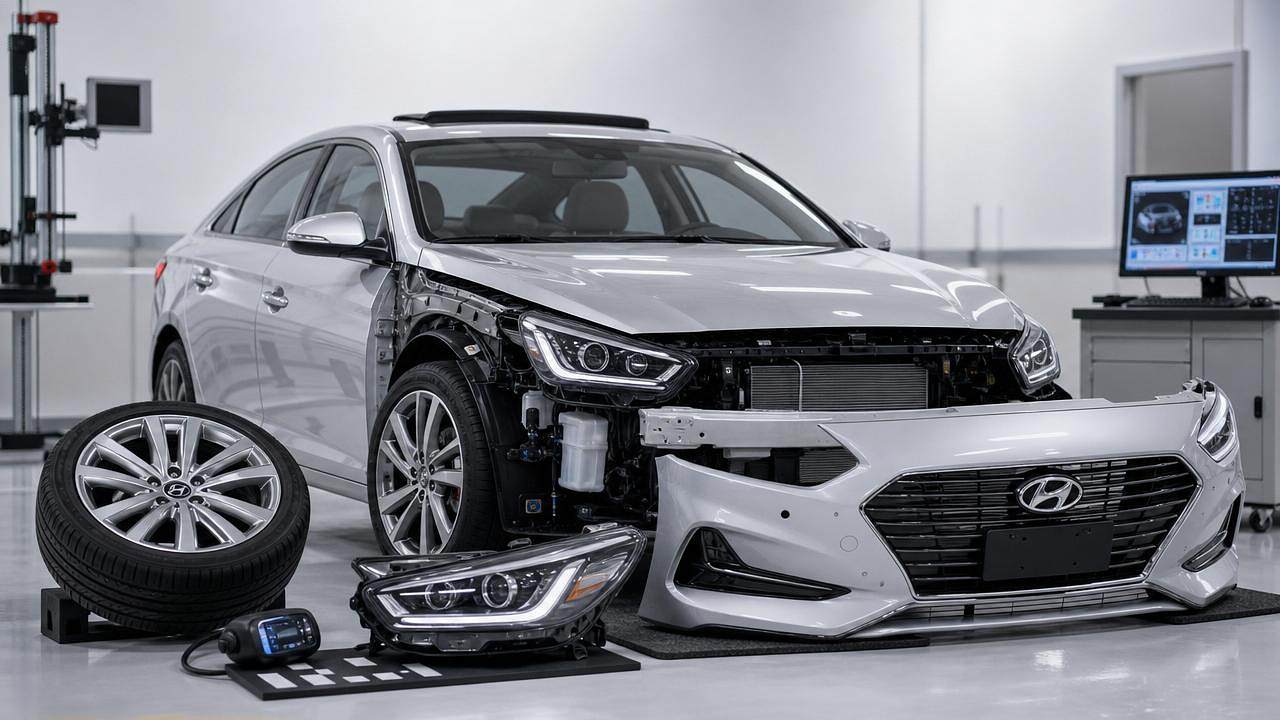
Many hidden warranty claims begin with overlooked automotive exterior components rather than major powertrain failures.
In aftermarket service, small defects in wheels, tires, sunroof systems, LED headlight assemblies, and sensor switches often grow into expensive disputes.
These issues are easy to miss because they develop gradually, appear cosmetic at first, or sit between mechanical, electrical, and compliance responsibilities.
A structured review of automotive exterior components helps reduce repeat repairs, protect margins, and improve customer trust.
Why a structured review matters
Warranty exposure increases when inspection standards depend on memory, technician habits, or visual checks alone.
Modern automotive exterior components combine lightweight materials, embedded electronics, optical systems, and strict ECE or DOT requirements.
That complexity creates hidden failure chains.
A wheel finish issue can hide impact damage.
A tire noise complaint can point to alignment or load mismatch.
A dim headlamp may involve sealing, thermal management, or software calibration.
Without a repeatable process, service teams may replace the visible part while leaving the root cause untouched.
That is where hidden warranty risk usually starts.
Core inspection points for high-risk automotive exterior components
- Check alloy wheels for flange cracks, bead-seat deformation, finish blistering, and hub-face distortion, because cosmetic damage may conceal structural stress from potholes or overload events.
- Verify tire size, speed rating, load index, wear pattern, and production date, since incorrect replacement choices often trigger noise, handling, and premature wear claims.
- Inspect sunroof drains, seal compression, glass alignment, motor response, and wind noise under road test conditions, not only during stationary water testing.
- Review LED headlight assemblies for condensation, beam pattern drift, mounting stress, connector corrosion, and thermal discoloration around drivers or heat sinks.
- Test auto sensor switches for rain, light, proximity, or blind-spot functions after windshield work, bumper repair, wheel replacement, or battery disconnection.
- Confirm torque values, calibration records, and software resets, because many automotive exterior components fail after improper installation rather than defective manufacturing.
- Document all markings, approval labels, and customer complaints with photos, since compliance and usage history strongly affect warranty acceptance decisions.
Where hidden warranty risk usually starts
Aluminum alloy wheels
Lightweight wheels improve efficiency, yet they are highly sensitive to impact history and mounting errors.
Hidden warranty claims often follow vibration complaints, air loss, or finish peeling that was treated as a cosmetic matter.
Low-pressure cast and forged wheels behave differently under stress.
A visual check alone may miss inner-barrel cracks, hub distortion, or coating failures caused by chemical cleaners.
High-performance tires
Tires carry EV torque, higher curb weight, and customer expectations for silence.
That makes replacement accuracy critical among automotive exterior components.
A wrong load index or tread design can create wear, pull, and cabin noise within weeks.
Many claims blamed on tire quality actually start with pressure neglect, poor balancing, or suspension geometry issues.
Electric sunroof systems
Sunroof failures rarely begin with complete motor breakdown.
They usually start with seal hardening, drain blockage, rail contamination, or slight panel misalignment.
Customers then report wind noise, intermittent leaks, or slow movement.
If only the visible symptom is addressed, the same vehicle often returns with water damage or trim complaints.
LED headlight assemblies
Headlamps are no longer simple bulbs and housings.
They are integrated optical and electronic modules within critical automotive exterior components.
Minor condensation can be normal, but persistent moisture may signal failed venting, cracked seals, or housing stress.
Beam aim problems may also follow front-end repairs, bracket distortion, or software initialization gaps.
Auto sensor switches
Rain sensors, auto lights, and blind-spot related triggers are easy to underestimate.
Yet these automotive exterior components directly affect convenience, safety, and compliance perception.
Sensor complaints often appear after glass replacement, repainting, or bumper work.
When recalibration is skipped, the replaced part may seem defective even when it is working correctly.
Application notes for different service situations
After collision or curb impact
Check wheel runout, tire sidewall bruising, lamp bracket stress, and sensor alignment together.
Impact damage often spreads across multiple automotive exterior components, even when body damage looks minor.
After windshield or roof work
Recheck rain sensors, light sensors, sunroof drain paths, and seal seating.
Adhesive residue, trim pressure, or glass positioning errors can quickly become warranty claims.
Seasonal tire replacement
Confirm matching specifications across all four tires, inspect TPMS compatibility, and review wheel corrosion at mounting points.
This is one of the most common moments when hidden automotive exterior components risk enters the service record.
Lighting complaints on smart vehicles
Do not isolate the lamp from the vehicle network.
Check voltage stability, fault memory, housing ventilation, and aiming calibration before authorizing replacement.
Commonly missed items that drive warranty costs
Using aggressive wheel cleaners can damage coatings and lead to corrosion claims that look like finish defects.
Installing tires with correct size but wrong load rating can create legal and durability problems later.
Clearing a sunroof drain without checking root contamination often allows the leak to return after heavy rain.
Replacing a fogged headlamp without inspecting vent paths may solve appearance issues only temporarily.
Skipping recalibration after windshield or bumper work can turn healthy sensor switches into repeat complaint sources.
Poor documentation weakens any defense when claims involve compliance markings or disputed installation history.
Practical execution steps
- Create a one-page inspection form covering all key automotive exterior components before disassembly or parts ordering.
- Use photos for wheel faces, tire codes, lamp labels, sensor mounting zones, and sunroof seal conditions.
- Separate cosmetic observations from structural, functional, and compliance findings to improve repair decisions.
- Require torque confirmation and recalibration sign-off whenever wheels, lamps, glass, or sensor-related trim are serviced.
- Review repeat claims monthly to identify patterns linked to specific automotive exterior components or installation steps.
FAQ about automotive exterior components and warranty exposure
Are cosmetic defects on automotive exterior components harmless?
Not always.
Peeling finishes, haze, or trim distortion can signal heat, chemical attack, water entry, or structural stress.
Which exterior part creates the most hidden callbacks?
There is no single answer, but wheels, tires, headlamps, and sensor-related systems generate frequent repeat visits when root causes are missed.
Why do EVs raise the risk level?
Higher weight, instant torque, aerodynamic sensitivity, and advanced electronics place more stress on automotive exterior components.
Final takeaway
Hidden warranty exposure rarely starts with a dramatic failure.
It usually starts with a missed clue in automotive exterior components that looked minor during service.
A disciplined inspection process, stronger documentation, and better replacement verification can prevent costly repeats.
For organizations tracking wheels, tires, sunroofs, lighting, and sensing technology, technical intelligence is no longer optional.
It is the practical path to lower warranty risk, stronger compliance control, and more reliable service outcomes.