Industry Portal
Related News
- 00
0000-00
ECE-Compliant Lighting for Commercial Vehicles: Approval and Installation Checks - 00
0000-00
Laser Adaptive Headlights: What to Check for Range and Glare Control - 00
0000-00
Precision Forging for Aluminum Wheels: Alloy Selection and Fatigue Performance - 00
0000-00
NEV Industry Standards in China: Which Battery Safety Tests Are Required? - 00
0000-00
Automotive Exterior Lighting Systems: Lamp Types, Functions, and Placement
How automotive exterior components affect repair cost and fit
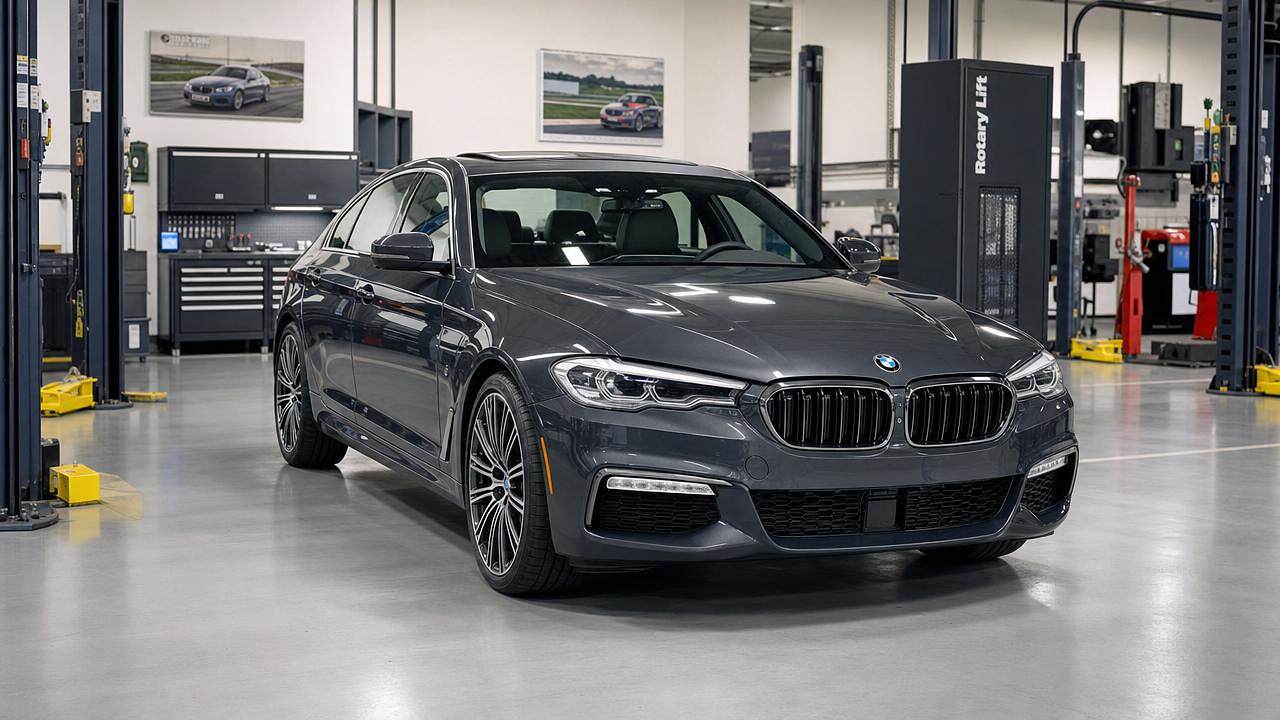
For aftermarket maintenance work, automotive exterior components often decide whether a repair stays routine or becomes expensive. Headlights, wheels, tires, sensor switches, and sunroof systems all affect labor time, calibration steps, and final alignment.
Small differences in material, tooling accuracy, and electronic integration can create gaps, noise, warning lights, or repeat visits. Knowing how automotive exterior components influence fit helps control cost, reduce rework, and improve safety.
What makes automotive exterior components so important in repair cost?
Automotive exterior components do more than shape appearance. They also manage airflow, lighting, sealing, road contact, and sensor performance. A poor replacement can affect both aesthetics and vehicle function.
Repair cost rises when a part needs trimming, bracket modification, or repeated alignment. It rises again when the component includes electronics, coatings, or calibration-sensitive surfaces.
On modern vehicles, exterior parts are increasingly linked to ADAS, energy efficiency, and cabin comfort. That means one replacement may trigger extra scans, aiming procedures, or sealing tests.
AEVS tracks these changes across lightweight body parts, smart lighting, advanced tires, and sensing systems. This wider technical view helps explain why one visible repair can carry hidden process costs.
Main cost drivers
- Material choice, such as aluminum, polycarbonate, or coated composites
- Manufacturing tolerance and dimensional consistency
- Need for programming, aiming, or sensor calibration
- Surface finish matching and weather sealing quality
- Compatibility with local ECE or DOT requirements
Which automotive exterior components create the most fitment problems?
Not every exterior part carries the same risk. Some components install easily, while others depend on precise interfaces, body geometry, and software interaction.
Headlight assemblies
LED headlights are among the most sensitive automotive exterior components. Housing shape, mounting tabs, lens quality, and beam pattern must all match closely.
If the part sits slightly off, panel gaps become visible and beam aiming may fail. On matrix systems, poor thermal design or incorrect electronics can create faults quickly.
Wheels and tires
Wheels and tires affect fit at the suspension, brake, and body edge. Offset, center bore, load rating, and sidewall dimensions must remain within safe limits.
On EVs, heavy curb weight and instant torque increase the risk of vibration, uneven wear, and noise complaints. Incorrect combinations often return as handling or efficiency issues.
Sunroof systems
Sunroof repairs look straightforward but often involve drains, seals, rails, and glass height adjustment. A small fit error can cause water leaks, wind noise, or motor overload.
Sensor switches and exterior sensing parts
Rain sensors, light sensors, and related switches depend on proper mounting, clean interfaces, and signal integrity. Misfit can lead to delayed wiping, false activation, or warning messages.
How do material quality and manufacturing precision affect final fit?
Material quality influences stiffness, expansion, impact behavior, and finish. In automotive exterior components, those traits directly affect how a part sits after installation and during real driving.
Low-cost housings may warp under heat. Thin brackets may flex during tightening. Inconsistent coatings may prevent flush sealing or create visible color mismatch under daylight.
Precision matters just as much as raw material. A part can use acceptable material but still fit poorly if hole positions, clip geometry, or curvature differ from original specifications.
Why precision matters more on newer vehicles
Modern body designs use tighter shut lines and more integrated assemblies. That leaves less tolerance for variation across automotive exterior components than older vehicle platforms allowed.
AEVS industry coverage shows the same trend in wheels, optics, and lightweight systems. As components become smarter and lighter, repair fit becomes more dependent on engineering accuracy.
How can you judge whether a replacement part will control cost or create rework?
A low purchase price does not always lower total repair cost. The better question is whether the part installs cleanly, performs correctly, and avoids return labor.
Use this practical checklist
- Check certification, part number cross-reference, and market compliance
- Inspect tabs, clips, and sealing edges before painting or installation
- Measure wheel offset, tire size, and load index against OEM data
- Confirm sensor mounting surfaces are clean and correctly shaped
- Plan for aiming, reset, coding, or leak testing where required
It also helps to evaluate the supplier’s consistency, not only one sample. Repeatable quality lowers installation time across multiple jobs and protects customer satisfaction.
What repair risks and hidden expenses are often missed?
Many problems appear after delivery, not during installation. Automotive exterior components may look acceptable in the bay but fail under rain, heat, vibration, or night driving.
Common hidden costs
- Second removal because clips crack or seals shift
- Headlight re-aiming after customer glare complaints
- Wheel vibration diagnosis caused by poor runout
- Tire noise returns on heavy EV applications
- Sunroof water leak testing and interior cleanup
- Sensor fault tracing after improper mounting
Another overlooked factor is aerodynamic and NVH performance. Exterior fit affects wind noise, drag, and even energy consumption, especially on NEVs and premium body designs.
Which differences matter most between standard and premium automotive exterior components?
The difference is not only branding. Better automotive exterior components often deliver stronger dimensional control, improved coatings, tighter electronics integration, and fewer post-install adjustments.
Premium parts usually cost more upfront, but total installed cost can be lower. Less refitting, fewer callbacks, and better performance often offset the initial difference.
FAQ: How should repair planning change for modern automotive exterior components?
Repair planning should now include fit inspection, software checks, sealing verification, and road-condition validation. That process is especially useful when dealing with advanced automotive exterior components.
The broader market also supports this approach. AEVS highlights how smart headlights, low-drag wheels, silent tires, and sensor-driven systems now combine engineering, compliance, and user experience.
In short, automotive exterior components affect far more than appearance. They influence labor hours, diagnostic steps, fit quality, customer trust, and long-term vehicle safety.
Before the next replacement, compare total installed value instead of shelf price alone. Review specifications, fit tolerance, calibration needs, and real-use performance to avoid preventable repair cost.