Industry Portal
Related News
- 00
0000-00
ECE-Compliant Lighting for Commercial Vehicles: Approval and Installation Checks - 00
0000-00
Laser Adaptive Headlights: What to Check for Range and Glare Control - 00
0000-00
Precision Forging for Aluminum Wheels: Alloy Selection and Fatigue Performance - 00
0000-00
NEV Industry Standards in China: Which Battery Safety Tests Are Required? - 00
0000-00
Automotive Exterior Lighting Systems: Lamp Types, Functions, and Placement
Tags
MIIT Launches 2026 NEV Safety Inspection: TPMS & Self-Sealing Tires in Focus
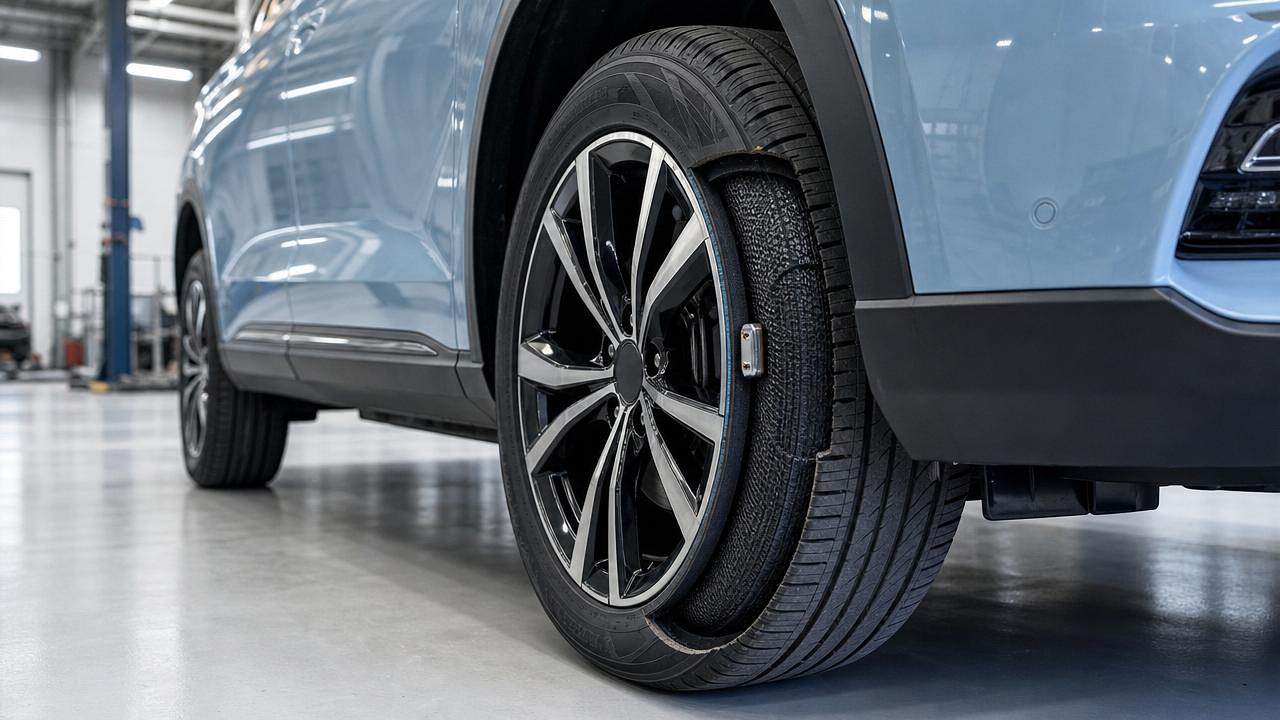
On May 21, 2026, the Ministry of Industry and Information Technology (MIIT) Equipment Industry Development Center issued a notice mandating a comprehensive safety inspection across China’s new energy vehicle (NEV) sector — with tire pressure monitoring systems (TPMS) and self-sealing tire components identified as critical checkpoints. This directive directly affects suppliers, exporters, and importers engaged in TPMS module production, certification, and distribution — particularly those serving Southeast Asia and South America, where reliance on Chinese Tier-2 TPMS modules is high.
Event Overview
On May 21, 2026, the MIIT Equipment Industry Development Center released an official notice requiring all NEV manufacturers in China to complete full-scope safety inspections by August 31, 2026. The scope includes battery systems, thermal runaway protection measures, TPMS, and self-sealing tire assemblies. The notice does not specify enforcement mechanisms or penalties but establishes a firm deadline and clear technical focus areas.
Industries Affected
Direct Exporters & Trade Enterprises
Exporters supplying TPMS modules or self-sealing tire kits to overseas markets — especially in Southeast Asia and South America — face compressed timelines to align with ECE R141 (TPMS) and R142 (self-sealing) certification requirements. As domestic inspections escalate compliance expectations, foreign buyers may delay orders pending confirmation of certified status, disrupting shipment schedules and inventory planning.
Component Manufacturing & Module Assembly Firms
Firms producing TPMS sensors, control units, or integrated self-sealing tire systems must verify current product conformity with ECE R141/R142. Non-certified legacy designs risk exclusion from OEM supply chains ahead of the August 31 deadline, triggering revalidation cycles and potential production pauses.
Supply Chain & Distribution Intermediaries
Distributors and trading companies handling TPMS modules for regional markets will likely experience tighter lead times and increased documentation requests from downstream customers. Inventory held without R141/R142 evidence may be subject to hold or rejection upon customs clearance in importing countries adopting stricter enforcement post-MIIT action.
What Stakeholders Should Monitor & Do Now
Track official updates on implementation guidance
The MIIT notice is directive-level; detailed technical checklists, audit protocols, or third-party verification procedures have not yet been published. Stakeholders should monitor announcements from the Equipment Industry Development Center and provincial MIIT offices for operational clarifications expected through June–July 2026.
Prioritize certification readiness for R141 and R142
Suppliers exporting to ECE signatory markets — including ASEAN members harmonizing with UNECE regulations — should treat R141 and R142 certification not as optional upgrades but as near-term prerequisites. Labs accredited under UNECE frameworks report rising inquiry volumes, suggesting capacity constraints may emerge mid-June.
Distinguish policy signal from immediate enforcement
This inspection mandate targets domestic NEV manufacturers first; its extraterritorial effect stems from supply chain ripple effects, not direct regulatory authority over foreign importers. Companies should avoid assuming automatic market access loss, but instead assess exposure based on customer requirements and destination-country regulatory adoption timelines.
Review and document existing product certifications
Firms should audit current TPMS and self-sealing tire product certifications against ECE R141 and R142 Annexes. Where gaps exist, initiate gap analysis with notified bodies now — especially for firmware validation (R141) and puncture-sealing performance testing (R142), which typically require 6–8 weeks.
Editorial Perspective / Industry Observation
Observably, this initiative functions primarily as a regulatory signal — accelerating alignment between China’s domestic safety governance and internationally recognized automotive standards. It does not introduce new technical limits but elevates enforcement priority for two specific subsystems previously addressed less stringently in NEV safety reviews. Analysis shows the timing coincides with upcoming UNECE regulation revisions and growing scrutiny of tire-related failure modes in EV crash investigations. From an industry perspective, the move signals tightening convergence between China’s industrial policy and global type-approval expectations — particularly for subsystems where functional safety intersects with mechanical reliability.
It is not yet a de facto market barrier, but rather a catalyst for upstream readiness. Continued attention is warranted because follow-up actions — such as public reporting of non-compliant models or linkage to NEV subsidy eligibility — remain possible through Q3 2026.
Concluding, this inspection mandate reflects an institutional emphasis on systemic safety accountability in NEVs, with TPMS and self-sealing tires serving as tangible entry points due to their direct impact on post-failure vehicle controllability. It is best understood not as an isolated compliance event, but as part of a broader trajectory toward harmonized, test-driven safety assurance across electrified mobility supply chains.
Source: MIIT Equipment Industry Development Center Notice (issued May 21, 2026).
Note: Certification timelines, enforcement scope beyond OEMs, and linkage to financial incentives remain unconfirmed and are subject to further official communication.