
Industry Portal
Related News
- 00
0000-00
ECE-Compliant Lighting for Commercial Vehicles: Approval and Installation Checks - 00
0000-00
Laser Adaptive Headlights: What to Check for Range and Glare Control - 00
0000-00
Precision Forging for Aluminum Wheels: Alloy Selection and Fatigue Performance - 00
0000-00
NEV Industry Standards in China: Which Battery Safety Tests Are Required? - 00
0000-00
Automotive Exterior Lighting Systems: Lamp Types, Functions, and Placement
Popular NEV configuration options shaping new model launches
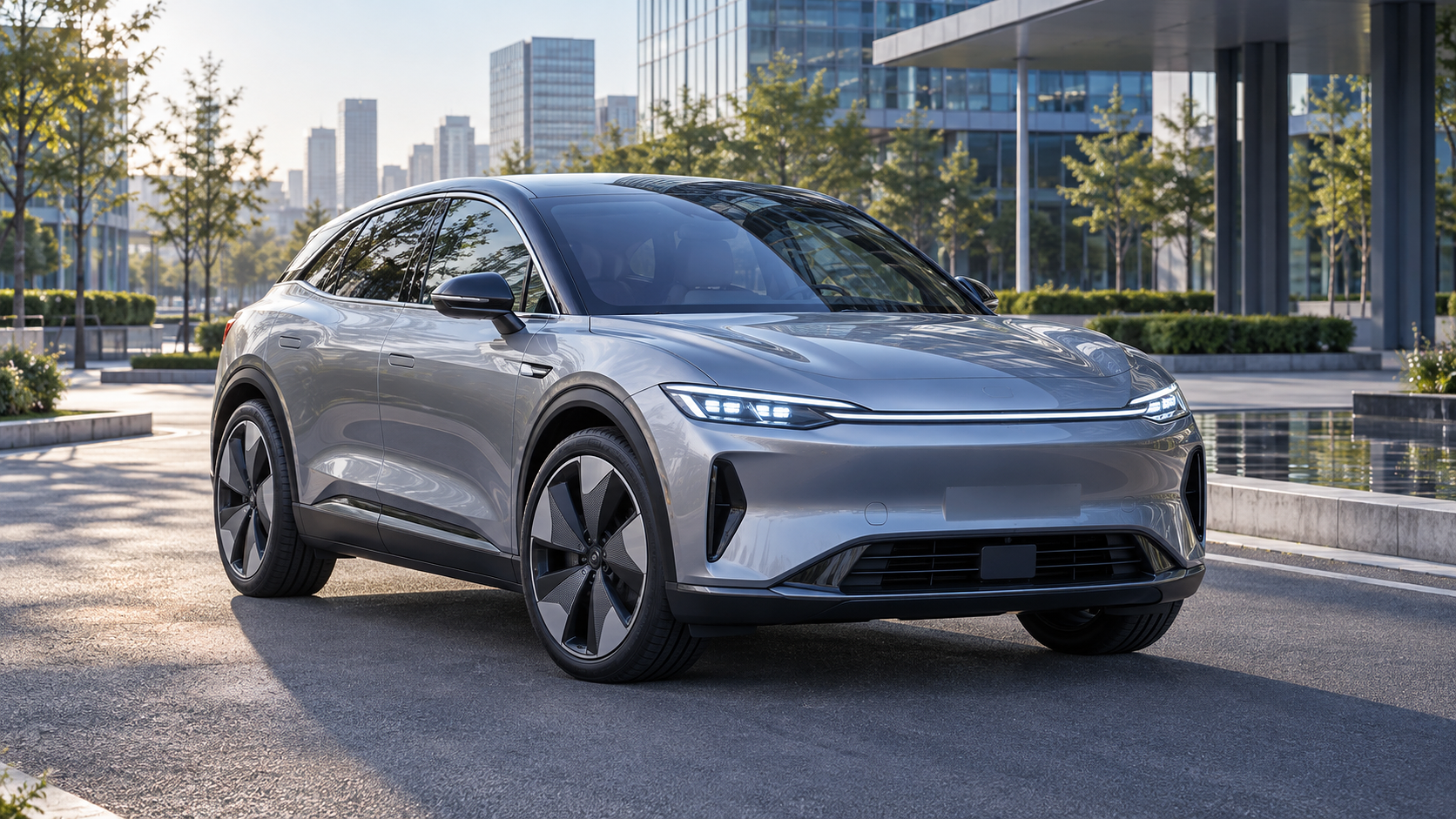
The most popular NEV configuration options available now are no longer selected as isolated comfort or styling upgrades. They are being packaged as connected decisions around energy efficiency, perceived quality, active safety, software capability, and manufacturing cost. For a new model launch, the practical question is not whether a panoramic roof, low-drag wheel, quiet tire, matrix headlamp, or sensor suite is attractive on its own. It is whether the combination supports the vehicle’s intended position without creating range penalties, supply complexity, validation risk, or an option structure customers do not understand.
Current demand is strongest for configurations that make an electric vehicle feel visibly more advanced while also improving daily usability. That is why exterior and vision systems have become more important in NEV planning. They sit at the intersection of aerodynamic performance, cabin comfort, safety perception, vehicle intelligence, and brand design language.
Configuration priorities are shifting from feature count to system value
Early NEV launches often used long option lists to signal technological progress. The market is becoming less forgiving of that approach. Buyers may appreciate a large display or a dramatic wheel design, but they quickly notice wind noise, poor wet-road confidence, weak night visibility, inconsistent driver-assistance behavior, or a feature that reduces real-world convenience.
The stronger product strategies now concentrate investment in a smaller group of highly visible, frequently used systems. These configurations influence the ownership experience every day, and they can be differentiated across trim levels without requiring a complete vehicle redesign.
These categories do not carry equal value for every program. A compact urban EV, a family crossover, and a performance-oriented premium sedan need different priorities. The common principle is that configuration choices should reinforce the vehicle’s intended use case rather than imitate a competitor’s specification sheet.
Smart glass roofs are moving beyond a simple premium option
Panoramic roofs remain highly visible in new NEV launches because they change the perceived size and atmosphere of the cabin. In electric vehicles, where the platform can allow a flatter floor and more open interior architecture, overhead glass helps create the spacious experience buyers expect.
The more important trend is the move from fixed panoramic glass to actively managed roof systems. Electrochromic dimming can reduce glare without relying entirely on a physical shade, while advanced roof designs aim to control solar load, wind noise, vibration, and water management. This matters because large glass areas can otherwise increase cooling demand and create a mismatch between a premium visual feature and the vehicle’s efficiency message.
However, an electrochromic roof is not automatically the correct choice. It is best suited to models positioned around comfort, design, and advanced cabin technology. Entry-level vehicles may gain more value from a well-insulated fixed roof, a smaller opening roof, or a carefully engineered conventional shade system. The decision should account for climate exposure, customer expectations, roof structural requirements, and the ability of the service network to manage glass replacement or electronic faults.
A frequent planning mistake is to treat the roof only as an interior feature. Its effect reaches body stiffness, headroom, vehicle mass, thermal management, and wind noise. A roof system should therefore be evaluated alongside the complete upper-body design, not added after the principal vehicle package is frozen.
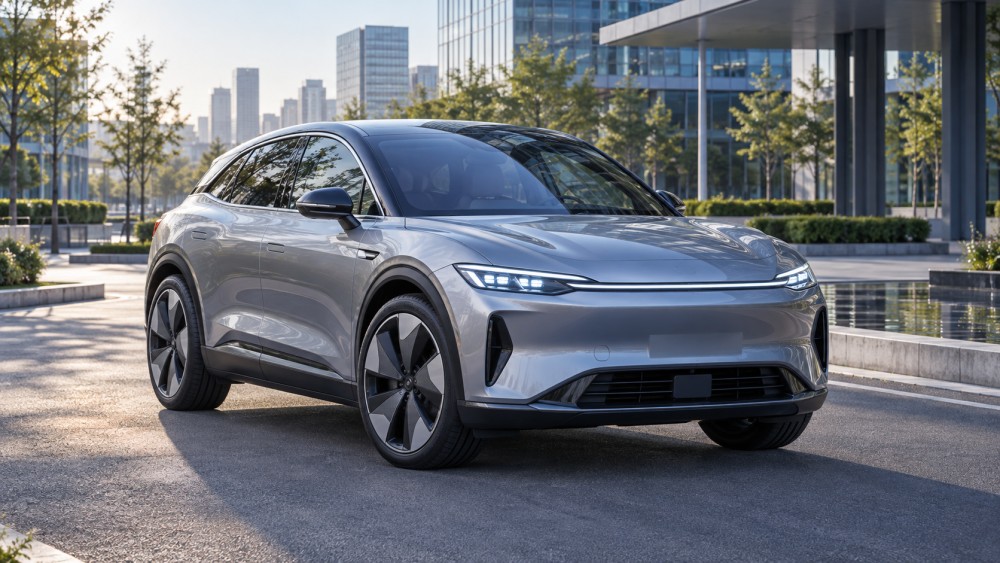
Wheels are becoming efficiency components, not just styling components
Low-drag alloy wheels are among the most visible NEV configuration options because they allow manufacturers to communicate both performance and technical intent. Covered spokes, smoother surfaces, and carefully controlled openings can support aerodynamic objectives, while lightweight wheel construction can contribute to more responsive vehicle behavior.
Yet wheel selection involves several competing demands. Larger diameters often improve visual stance and can support larger brake packages, but they may increase mass, tire cost, impact exposure, and ride harshness. A wheel design that looks exceptionally clean in a studio may also restrict brake airflow or create cleaning and repair concerns in everyday use.
For volume models, the most durable direction is usually an aerodynamic wheel family with differentiated finishes or spoke treatments across trim levels. This preserves the design identity while limiting manufacturing complexity. Premium or performance variants can justify more specialized forged or advanced lightweight solutions when the vehicle’s price position, handling objectives, and aftermarket opportunity support that investment.
Wheel decisions also need to be made with tire decisions. A low-drag wheel paired with a tire that produces excessive noise or poor road feedback will not create a convincing ownership experience. The wheel, tire, suspension tune, brake cooling requirement, and aero target should be assessed as one package.
EV tires are now a core product decision
High-performance NEV tires have moved from a technical purchasing detail to a launch-critical configuration. Electric vehicles place unusual demands on tires because battery mass can raise vehicle weight, instant torque can accelerate wear, and the absence of engine noise makes road noise more noticeable in the cabin.
Low rolling resistance remains important, but it should not become the only selection criterion. A tire optimized too aggressively for efficiency may compromise wet braking confidence, steering precision, cold-weather behavior, or long-term noise performance. For a vehicle that will operate across different markets, the challenge is even greater because road surfaces, climate conditions, speed patterns, and customer expectations vary widely.
Model planners should identify the vehicle’s dominant duty cycle before defining the tire brief. Urban-focused EVs may prioritize low-speed comfort, puncture resilience, and noise control. Long-distance crossovers may need an even balance between efficiency, stability, and wear. Performance-oriented NEVs need grip and thermal consistency that can manage strong acceleration and regenerative braking behavior without making the vehicle tiring to drive.
Self-sealing or noise-reduction tire technologies can be valuable where they solve a clear customer problem, particularly when the vehicle has limited spare-wheel provision. They also introduce questions around replacement availability, repair practices, added mass, and total ownership cost. The correct configuration is the one that aligns with the service model as well as the factory specification.
Matrix LED headlights are becoming a practical differentiator
LED headlamps have become a baseline expectation in many new NEV segments. The next level of differentiation comes from adaptive and matrix-capable systems that can shape the light pattern, reduce glare for other road users, and provide more precise illumination in changing conditions.
For a new model launch, the attraction is clear: headlights remain one of the strongest exterior signatures a brand can own, especially when vehicles are increasingly similar in body proportion and front-end packaging. A distinctive daytime running light can improve recognition, while adaptive lighting can support a stronger safety and technology narrative.
The constraint is that advanced lighting is both an optical system and a software-dependent system. Its value depends on sensor input, control logic, thermal performance, mechanical alignment, electronics durability, and local approval requirements. A highly complex lamp should not be specified merely because it is available from a supplier. It needs a credible validation path and a clear role in the vehicle’s pricing structure.
A sensible trim strategy often separates signature lighting from the most advanced adaptive functions. The base vehicle can retain a recognizable lamp shape and good fundamental illumination, while higher trims introduce more sophisticated beam control, projection features, or personalized welcome functions. This gives the brand visual consistency without forcing the full hardware cost into every unit.
Sensor switches are the hidden enablers of a more intelligent vehicle
Auto headlamp activation, rain-sensing wipers, blind-spot awareness, parking assistance, and other convenience functions can appear minor when listed separately. Together, they shape whether a vehicle feels responsive and well-integrated. Sensor switches and related body sensing components are therefore gaining strategic value as NEVs become more software-defined.
The market trend is toward broader sensor coverage, but more sensors do not automatically create a better vehicle. Poor placement can reduce detection quality. Weak integration can produce nuisance warnings or inconsistent automatic behavior. Difficult-to-access sensors can increase repair time after minor damage. The most successful implementations are usually those where the driver rarely needs to think about the system because it behaves predictably.
For launch planning, sensor architecture should be reviewed through three lenses: functional value, environmental durability, and serviceability. A sensor package must withstand contamination, weather, vibration, and cleaning practices while retaining dependable performance. It should also support diagnostics that help workshops distinguish between a sensor failure, an alignment issue, and a software fault.
What separates a strong configuration strategy from an expensive option list
New model teams should avoid selecting popular NEV features one by one. The better approach is to define a vehicle-level proposition, then test each configuration against that proposition. A long-range family crossover may need quiet tires, solar and glare control, useful sensor automation, and stable nighttime lighting more than it needs the largest possible wheel. A premium urban EV may gain more from compact maneuvering support, low-speed refinement, and a distinctive roof or light signature than from performance-focused hardware.
It is also useful to distinguish between visible differentiation and invisible reliability. Wheels, glass roofs, and headlights help customers recognize the vehicle. Tire tuning, thermal durability, sensor calibration, sealing quality, and repair access determine whether that promise remains credible after delivery. Launch programs that overfund visible features while underfunding validation often create avoidable ownership friction.
AEVS tracks this relationship across exterior lightweighting, ground-contact systems, and smart optical perception. The relevant market signal is not simply that a configuration is fashionable. It is whether aerodynamic design, optical capability, tire dynamics, and body sensing can operate as a coherent package for a defined NEV segment.
A practical screening sequence before freezing specifications
- Define the vehicle’s primary use case. Identify whether the model is mainly urban, family-oriented, long-distance, premium, utility-focused, or performance-led.
- Set non-negotiable ownership outcomes. These may include cabin quietness, wet-road confidence, night visibility, thermal comfort, low energy use, or easy repairability.
- Evaluate cross-system effects. Review how wheel size affects tire selection, how roof glass affects cooling load, and how lighting functions depend on sensors and software.
- Build trim differentiation around meaningful value. Reserve costly advanced hardware for versions where customers can understand and use it.
- Review regional fit early. Exterior lighting, road conditions, climate exposure, and service capability can change the appropriate configuration mix.
The popular NEV configuration options shaping launches are therefore not a universal checklist. Smart roofs, aerodynamic wheels, EV-ready tires, adaptive LEDs, and integrated sensors are all commercially relevant, but their value comes from how well they fit the vehicle’s mission. The strongest launches make those choices feel inevitable: the exterior design supports efficiency, the tires support refinement, the lighting supports confidence, and the sensing systems support daily ease of use.