Industry Portal
Related News
- 00
0000-00
ECE-Compliant Lighting for Commercial Vehicles: Approval and Installation Checks - 00
0000-00
Laser Adaptive Headlights: What to Check for Range and Glare Control - 00
0000-00
Precision Forging for Aluminum Wheels: Alloy Selection and Fatigue Performance - 00
0000-00
NEV Industry Standards in China: Which Battery Safety Tests Are Required? - 00
0000-00
Automotive Exterior Lighting Systems: Lamp Types, Functions, and Placement
How aerodynamic parameters change real EV range on highways
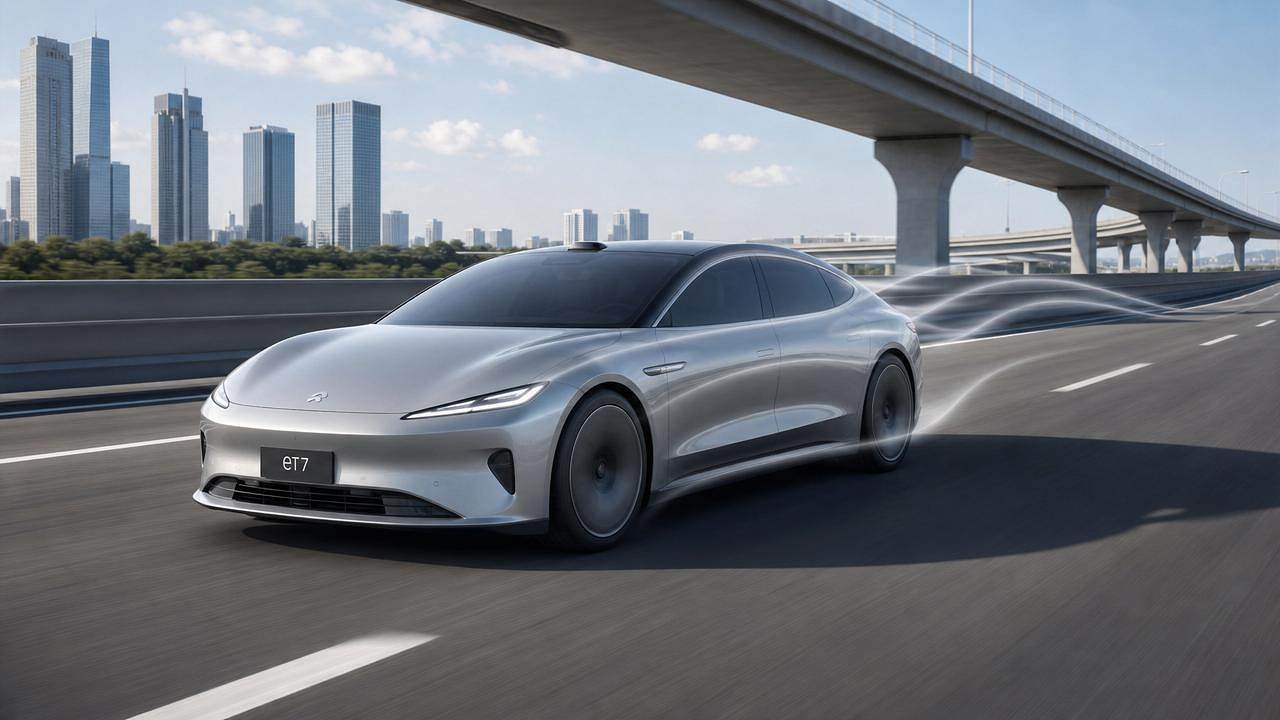
For EV buyers and industry researchers, highway range is shaped by more than battery size. Aerodynamic parameters directly influence drag, energy use, cabin stability, and even wheel-tire interaction at speed. This introduction explores how body design, airflow management, and exterior component optimization translate into measurable real-world highway range, helping information seekers better understand why small aerodynamic changes can produce meaningful efficiency gains.
Why aerodynamic parameters matter more on highways than in city driving
At urban speeds, acceleration patterns, regenerative braking, and traffic flow often dominate energy consumption. On highways, the picture changes quickly. Once speed rises, aerodynamic parameters become one of the most important drivers of real EV range.
This happens because aerodynamic drag increases roughly with the square of speed, while the power needed to overcome that drag rises even faster. A vehicle that looks only slightly cleaner in a wind tunnel can show a noticeable range advantage during long motorway travel.
For researchers comparing EV platforms, it is not enough to ask for battery capacity. It is more useful to study how frontal area, drag coefficient, underbody treatment, wheel design, tire profile, mirror strategy, and air sealing work together as a system.
- At 30 to 50 km/h, rolling resistance and stop-start losses can be highly visible.
- At 90 to 120 km/h, aerodynamic parameters often become a dominant highway efficiency variable.
- At even higher cruising speeds, weak airflow management can sharply raise energy use, wind noise, and high-speed instability.
This system-level view is especially relevant to AEVS because exterior components are no longer cosmetic details. In modern NEVs, they are active contributors to energy efficiency, safety perception, acoustic comfort, and procurement value.
The key formula behind range loss
A simplified drag equation uses air density, drag coefficient, frontal area, and vehicle speed. Buyers do not need to calculate every variable, but they should understand one practical truth: when two EVs have similar batteries, the one with better aerodynamic parameters usually delivers better highway range.
Which aerodynamic parameters most strongly affect real EV range?
The market often focuses only on Cd, or drag coefficient. That number matters, but it does not tell the whole story. Real highway performance comes from the combination of several aerodynamic parameters acting together.
The table below helps information seekers compare the most relevant variables and understand how each one changes energy demand at sustained speed.
For procurement and research work, the most useful interpretation is this: a low Cd claim should always be checked against frontal area, wheel design, tire choice, and the external add-on package. A sleek sedan and a large SUV may share attractive brochure values but deliver very different real highway range.
Why wheels, tires, and exterior details deserve closer attention
AEVS places special emphasis on aluminum alloy wheels, high-performance tires, headlight assemblies, and other exterior systems because each of these can alter airflow separation, turbulence generation, and pressure distribution around the vehicle.
- A wheel with large open spokes may support brake cooling but increase drag.
- A low-drag wheel can improve range, but the design must still manage structural load and thermal needs.
- Tire width and tread pattern affect both rolling resistance and airflow around the wheelhouse.
- Lamp geometry, sensor covers, mirror housings, and roof openings can all create local flow disturbances.
How exterior components change aerodynamic parameters in real use
In engineering reviews, aerodynamic parameters are often discussed as body-level attributes. In real products, however, many losses come from component interfaces. Small gaps, exposed edges, and rotating surfaces create cumulative drag that becomes visible at highway speed.
This is where AEVS adds practical value for information researchers. The platform links vehicle exterior architecture with lightweight wheels, tire dynamics, smart optical modules, and sensor packaging rather than treating them as unrelated categories.
Electric sunroof systems and roof airflow
A panoramic roof or electric sunroof can affect roof curvature, panel flushness, seal compression, and wind noise behavior. Even when the roof remains closed, poor integration can disturb airflow and raise cabin noise, reducing perceived highway refinement.
Low-drag wheels and brake airflow balance
Wheel design is one of the most underestimated aerodynamic parameters in EV development. Engineers must balance drag reduction, brake thermal control, weight, stiffness, and styling. A very closed wheel face may help range, but over-restricting airflow can create thermal trade-offs under repeated braking.
Tires as both rolling and airflow components
High-performance tires are usually discussed in terms of grip, noise, and rolling resistance. Yet at highway speed they also interact with wheelhouse turbulence, wake formation, and body-side airflow. Tire width, shoulder shape, and sidewall profile can all change effective drag behavior.
Headlights, sensors, and protrusion management
Modern LED headlight assemblies and auto sensor switches increasingly support smart driving functions. Their covers, apertures, washer systems, and mounting geometry should be integrated carefully. Even minor protrusions can create local drag and audible wind effects, especially near A-pillars and front corners.
Comparison analysis: why two EVs with similar batteries can show very different highway range
The following comparison model shows how aerodynamic parameters and related exterior choices can separate real-world outcomes even when nominal battery size is close. It is not tied to a specific brand; it is a procurement and research framework.
The decision lesson is clear. Battery size explains only part of the user experience. For cross-border sourcing teams, aftermarket distributors, and technical analysts, aerodynamic parameters are a better lens for understanding why some EVs remain efficient when speed, wind, and road load increase.
What should buyers and researchers check when evaluating aerodynamic parameters?
Information seekers often struggle because suppliers present attractive claims but not enough context. A better review process combines technical reading with application judgment. Instead of looking for a single best number, compare the total package.
- Check whether Cd is presented alone or alongside frontal area and wheel-tire configuration.
- Ask how low-drag wheels manage brake airflow and whether tire selection changes the tested result.
- Review roof systems, lighting modules, and sensor integration for flushness and sealing quality.
- Compare highway use cases, not only mixed-cycle marketing values.
- Where possible, request CFD-based interpretation, component-level drawings, or engineering notes rather than promotional claims alone.
A practical selection checklist
The table below summarizes a practical evaluation approach for teams selecting exterior systems, wheels, tires, or smart optical components that can influence highway efficiency.
This checklist is valuable for OEM teams, Tier 1 suppliers, aftermarket distributors, and research professionals who need to connect aerodynamic parameters with real sourcing and engineering decisions instead of isolated claims.
Common misconceptions about aerodynamic parameters and EV range
“A lower Cd always means the better highway EV”
Not necessarily. Cd without frontal area can be misleading. A larger vehicle can post a respectable coefficient yet still consume more energy at speed because it pushes more total air volume.
“Wheels only affect styling and weight”
This is a major oversight. Rotating wheels sit in one of the most aerodynamically difficult zones on the vehicle. Their spoke pattern, offset, brake package interaction, and tire shape can materially change drag and acoustic performance.
“Range loss on highways is only a battery issue”
Battery size helps, but it does not solve poor airflow. If aerodynamic parameters are weak, a bigger pack may simply mask inefficiency while adding mass and cost. Exterior optimization is often the more sustainable route.
FAQ: what information seekers ask most about aerodynamic parameters
How should I compare two EVs for highway range if official figures look similar?
Start with vehicle shape, frontal area, wheel size, tire width, and roofline rather than battery size alone. Then look for clues about underbody treatment and aero-focused component integration. Similar test-cycle numbers can hide very different high-speed behavior.
Which components are most relevant if I am sourcing exterior parts for EV efficiency projects?
Focus on low-drag wheels, tire specifications, roof systems, lamp integration, sensor covers, and underbody-related airflow interfaces. These areas often offer measurable aerodynamic value without requiring a complete vehicle redesign.
Do aerodynamic parameters also affect comfort and safety?
Yes. Cleaner airflow can reduce wind noise, improve straight-line stability, and support more predictable sensor and lighting performance. On highways, efficiency, NVH, and dynamic perception are closely linked rather than separate topics.
What is the risk of evaluating components separately instead of as a system?
The main risk is unintended trade-off. A wheel optimized only for drag may reduce brake cooling margin. A sensor cover optimized only for perception may create airflow disturbance. A system-level review helps avoid these conflicts.
Why AEVS is a useful intelligence partner for exterior and range analysis
AEVS operates at the intersection of vehicle aesthetics, dynamic driving perception, and technical intelligence. That matters because aerodynamic parameters are not abstract numbers. They are built into wheels, tires, lighting modules, roof systems, and sensing hardware that must work together under real road conditions.
Its Strategic Intelligence Center connects exterior architecture with brake airflow simulation, tire dynamics, smart optical thermal management, raw material trends, and regional compliance context such as ECE and DOT considerations. For researchers and sourcing teams, this reduces blind spots in early decision-making.
- If you are comparing wheel solutions, AEVS can help frame drag, weight, airflow, and aftermarket demand together.
- If you are reviewing tires, AEVS can connect contact performance with rolling resistance, EV load behavior, and highway refinement.
- If you are studying lamps or sensors, AEVS can position optical function, thermal behavior, and exterior integration in one decision path.
Why choose us for aerodynamic parameter research and sourcing support
If your team is evaluating how aerodynamic parameters change real EV range on highways, AEVS can support more than headline reading. We help turn scattered technical signals into a usable decision framework for procurement, product planning, and market research.
You can contact us for specific support on parameter confirmation, wheel and tire selection logic, exterior component comparison, likely delivery considerations, regional compliance questions, sample evaluation direction, and quotation discussion for relevant exterior and vision-related solutions.
- Need to compare low-drag wheel concepts with brake airflow requirements? Ask for a structured review path.
- Need help screening tire options for EV load, silence, and range balance? Request a selection checklist.
- Need to understand how headlight assemblies or sensor packaging influence airflow and compliance? Ask for a component-level assessment scope.
- Need market intelligence before supplier contact? Request insight on technology trends, cost variables, and aftermarket opportunity signals.
For information seekers who want deeper clarity before making a technical or commercial move, this is the practical advantage: aerodynamic parameters become easier to read when exterior systems, optical perception, and ground-contact components are analyzed together rather than in isolation.