
Industry Portal
Related News
- 00
0000-00
ECE-Compliant Lighting for Commercial Vehicles: Approval and Installation Checks - 00
0000-00
Laser Adaptive Headlights: What to Check for Range and Glare Control - 00
0000-00
Precision Forging for Aluminum Wheels: Alloy Selection and Fatigue Performance - 00
0000-00
NEV Industry Standards in China: Which Battery Safety Tests Are Required? - 00
0000-00
Automotive Exterior Lighting Systems: Lamp Types, Functions, and Placement
Tags
- smart optical perception
- electric sunroof systems
- aluminum alloy wheels
- high-performance tires
- LED headlight assemblies
- auto sensor switches
- aerodynamic parameters
- NEV industry
- vehicle aesthetics
- dynamic driving perception
- electrochromic dimming
- NVH control
- low-pressure casting
- precision forging
- photoelectric sensing
Where is the NEV industry finding its next margin?
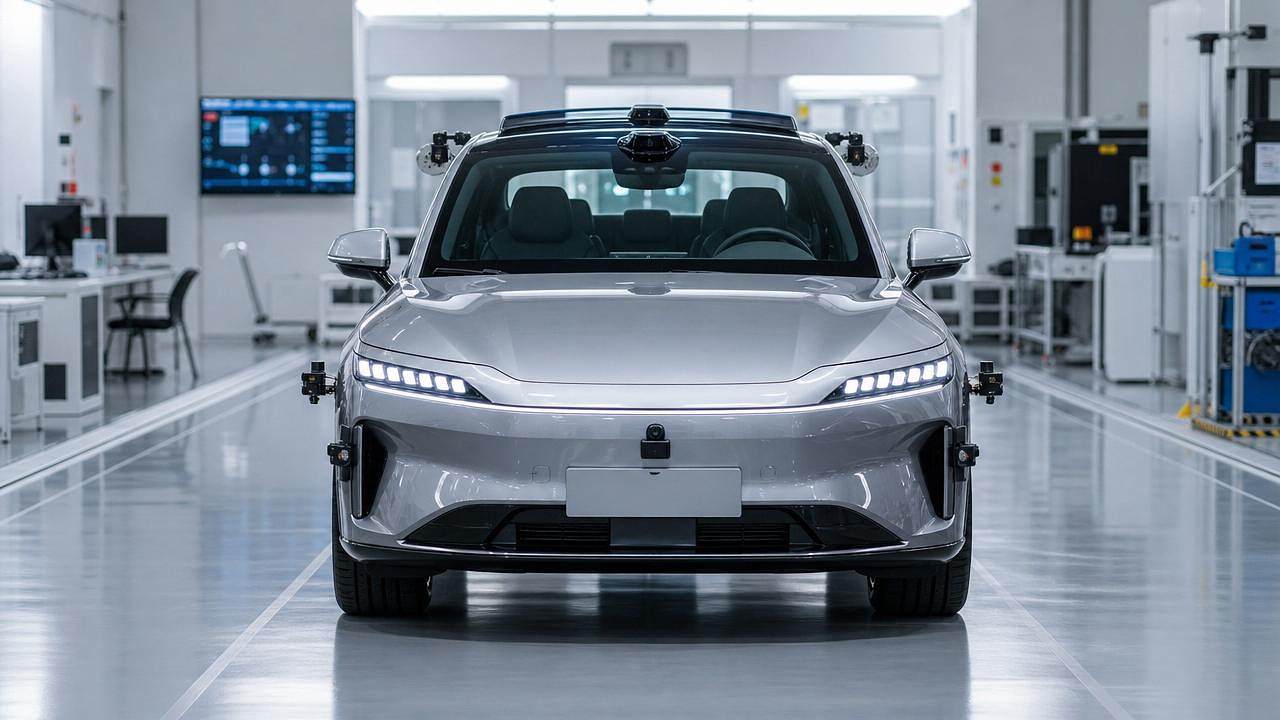
Where is the NEV Industry Finding Its Next Margin?
As price pressure intensifies across the NEV industry, margin is moving beyond vehicle sales into exterior, vision, and ground-contact systems.
Smart LED headlights, lightweight alloy wheels, high-performance tires, electric sunroofs, and sensor switches now influence efficiency, safety, and user experience.
For the NEV industry, these components are no longer peripheral. They are strategic profit levers shaped by regulation, software, materials, and aftermarket demand.
Margin Logic in the NEV Industry
The NEV industry has entered a stage where scale alone cannot protect profitability. Battery cost reductions are slowing, and model cycles are shorter.
Vehicle platforms are becoming more standardized. Differentiation is increasingly visible in exterior performance, optical intelligence, ride comfort, and cabin openness.
This shift changes the margin map. Value migrates toward systems that combine hardware precision, software control, compliance expertise, and emotional design.
In the NEV industry, exterior and vision systems also affect measurable vehicle performance. Aerodynamics, rolling resistance, lighting range, and sensing accuracy all matter.
The next margin is therefore found where efficiency, aesthetics, and safety intersect. This is the operating field of automotive exterior intelligence.
Industry Signals Reshaping Component Value
Several signals explain why the NEV industry is revaluing exterior and perception components. They reflect cost pressure, regulation, and changing ownership behavior.
These signals show a broader pattern. The NEV industry is rewarding components that deliver both measurable performance and visible identity.
A silent tire, a low-drag wheel, or a matrix LED assembly can support pricing more effectively than generic styling upgrades.
Exterior Systems as Efficiency Assets
Lightweight exterior components are becoming financial assets in the NEV industry. Their value is linked to range, durability, and platform flexibility.
Aluminum alloy wheels are a clear example. Low-pressure casting and precision forging reduce unsprung mass while maintaining impact strength.
For electric vehicles, wheel design also affects aerodynamic drag. Brake airflow, spoke geometry, and rim structure influence efficiency at highway speeds.
The NEV industry increasingly treats wheel engineering as part of energy management, not only as visual decoration or accessory specification.
Electric sunroof systems follow a similar path. Electrochromic dimming, sealing quality, and NVH control determine both comfort and energy consumption.
A panoramic roof can increase perceived cabin value. Yet poor thermal control can burden air-conditioning and reduce real-world driving range.
Margin appears when design pleasure is supported by material science, sealing reliability, and thermal performance.
Vision Systems Becoming Profit Platforms
The NEV industry is also finding margin in smart optical perception. Headlights are evolving from illumination devices into interactive safety systems.
LED headlight assemblies now include adaptive beam control, anti-glare masking, pixel projection, thermal management, and software-defined lighting patterns.
This complexity creates technical barriers. Optical algorithms, heat dissipation, lens materials, and compliance testing all shape commercial value.
In the NEV industry, headlights also support brand recognition. Daytime running signatures and welcome projections strengthen vehicle identity.
Auto sensor switches extend this value chain. Rain sensors, light sensors, blind-spot triggers, and mm-wave modules connect the body network.
Their role is often invisible, but their failure affects safety perception immediately. Reliability therefore supports premium positioning and warranty discipline.
As vehicles become software-defined, perception hardware must remain stable across temperature, vibration, moisture, and electromagnetic conditions.
Ground-Contact Systems and Aftermarket Resilience
High-performance tires may be the most underestimated margin pool in the NEV industry. They directly affect safety, silence, efficiency, and driving feel.
Electric vehicles carry heavy battery packs and deliver instant torque. Conventional tire design often struggles with wear, noise, and grip balance.
EV-specific tires require reinforced structures, low rolling resistance compounds, foam noise reduction, and tread patterns optimized for wet braking.
The NEV industry benefits from this specialization because replacement cycles create recurring demand beyond the original vehicle sale.
Self-sealing coatings and run-flat capabilities further increase value. They reduce roadside risk and support the safety promise of intelligent mobility.
Custom forged wheels create another aftermarket path. Personalization, weight reduction, and premium finishes support higher average transaction values.
In this context, margin is not only created at assembly plants. It is renewed through replacement, customization, maintenance, and performance upgrades.
Typical Value Pools Across Exterior and Vision Components
The next margin in the NEV industry can be mapped by component type, technical barrier, and monetization route.
This classification helps explain why component intelligence matters. The NEV industry rewards systems that can be measured, certified, and experienced.
Regulation, Materials, and Technical Credibility
Compliance is becoming a margin shield in the NEV industry. ECE and DOT requirements influence lighting, tires, sensors, and structural components.
Products that pass demanding tests can enter more markets. They also reduce recall risk and support stable long-term contracts.
Raw material volatility adds another layer. Aluminum, rubber, rare additives, and optical-grade plastics all affect cost planning.
The NEV industry needs intelligence that connects material pricing with design choices. A cheaper compound may increase noise, wear, or energy loss.
Technical credibility is therefore commercial currency. Data-backed claims on drag reduction, illumination accuracy, or rolling resistance protect premium pricing.
This is where rigorous market intelligence becomes useful. It links engineering parameters with supply risk, regulatory pressure, and demand cycles.
Practical Considerations for Capturing Margin
The NEV industry can capture exterior and vision margin through disciplined choices. The following considerations are especially important.
- Prioritize measurable performance, including drag, weight, braking distance, glare control, and cabin noise.
- Align component roadmaps with ECE, DOT, and regional safety expectations from the earliest design stage.
- Use thermal simulation for headlights, sunroofs, and enclosed exterior modules exposed to harsh climates.
- Build aftermarket strategies for tires, forged wheels, lighting upgrades, and sensor replacement.
- Track aluminum, rubber, and specialty polymer costs to protect gross margin assumptions.
- Translate engineering gains into clear user benefits, such as quieter rides and longer practical range.
These actions reduce dependence on pure vehicle price. They also create defensible value within a competitive NEV industry landscape.
The strongest opportunities usually combine two attributes. They are technically difficult to copy and easy for users to feel.
Strategic Role of AEVS Intelligence
Global Automotive Exterior & Vision Systems focuses on the areas where the NEV industry is redefining exterior value.
Its intelligence approach connects vehicle aesthetics, dynamic driving perception, optical algorithms, aerodynamic parameters, and safety-driven component evolution.
The platform tracks sector news, material shifts, regulatory movement, and technology pathways across exterior lightweighting and smart perception systems.
Its deeper value lies in interpretation. CFD analysis, tire chemistry trends, headlight thermal models, and sensor integration all inform margin decisions.
For the NEV industry, this intelligence supports sharper product positioning and more credible technical narratives in global competition.
Next Step for Margin-Oriented Decisions
The next margin in the NEV industry is not hidden in one component. It emerges from connected exterior, vision, and ground-contact systems.
Smart headlights improve safety and identity. EV tires protect silence and grip. Alloy wheels support lightweight efficiency and personalization.
Electric sunroofs shape perceived comfort. Sensor switches complete the automated exterior network and strengthen daily trust in intelligent functions.
The practical next step is to evaluate each component by efficiency gain, compliance risk, aftermarket potential, and user-perceived value.
In a crowded NEV industry, resilient growth belongs to systems that make vehicles safer, lighter, quieter, more efficient, and more distinctive.
AEVS continues to map these profit pools through exterior intelligence, optical perception insight, and ground-contact system analysis.