
Industry Portal
Related News
- 00
0000-00
ECE-Compliant Lighting for Commercial Vehicles: Approval and Installation Checks - 00
0000-00
Laser Adaptive Headlights: What to Check for Range and Glare Control - 00
0000-00
Precision Forging for Aluminum Wheels: Alloy Selection and Fatigue Performance - 00
0000-00
NEV Industry Standards in China: Which Battery Safety Tests Are Required? - 00
0000-00
Automotive Exterior Lighting Systems: Lamp Types, Functions, and Placement
Why automotive exterior components vary in lifespan
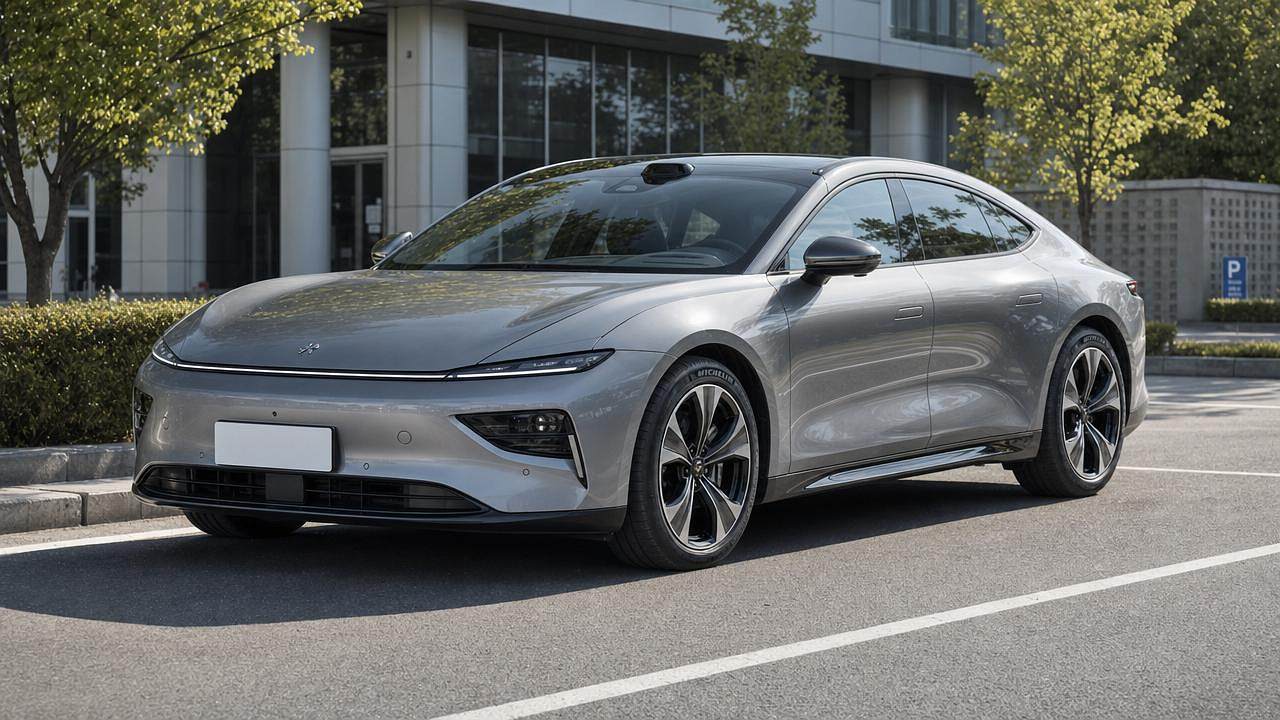
Not all automotive exterior components age at the same pace. Headlights, tires, alloy wheels, sunroofs, trims, and sensor-based parts face very different loads every day.
That difference explains why some parts last for years with little attention, while others need frequent inspection, repair, or replacement.
Understanding why automotive exterior components vary in lifespan helps reduce ownership costs, improve safety, and support better maintenance planning.
It also matters in today’s mobility market, where electrification, lightweighting, advanced optics, and integrated sensing are reshaping exterior system performance.
Understanding the lifespan of automotive exterior components
Automotive exterior components include all visible and road-facing parts that affect appearance, protection, aerodynamics, lighting, sensing, and driving contact.
Common examples include bumpers, grilles, mirrors, sunroof systems, windshield trims, LED headlight assemblies, aluminum alloy wheels, tires, and sensor switches.
Their lifespan is not fixed. It depends on design intent, raw material quality, manufacturing precision, environmental exposure, and actual use patterns.
A tire naturally wears through friction. A headlight lens ages through UV exposure and thermal cycling. A wheel may survive longer unless damaged by impact.
This is why comparing all automotive exterior components under one maintenance rule often leads to missed risks and unnecessary replacements.
Main factors that influence service life
- Material composition, including plastics, rubber, coatings, glass, aluminum, and electronic modules
- Mechanical stress from vibration, torque, braking, curb contact, and road shock
- Climate effects such as UV radiation, humidity, salt, ice, sand, and heat
- Maintenance quality, cleaning methods, alignment, sealing care, and early defect detection
- Technology complexity, especially in smart lighting and sensor-integrated automotive exterior components
Industry context shaping component durability
The durability discussion has become more important because modern vehicles place greater demands on automotive exterior components than before.
New Energy Vehicles add higher curb weight, instant torque, thermal management challenges, and stronger expectations for low drag and quiet operation.
At the same time, vehicle exteriors are becoming more intelligent. Lighting systems, sensor switches, camera housings, and aero parts now work as connected systems.
This means lifespan is no longer only about wear. It is also about software compatibility, sealing integrity, optical accuracy, and electrical reliability.
Why different exterior systems age at different speeds
Tires wear by design
Among all automotive exterior components, tires usually have the shortest predictable service life because they trade material away during normal driving.
EVs often accelerate tire wear faster due to higher torque delivery and increased vehicle mass. Heat, inflation pressure, and alignment also matter.
Wheels fail less often but suffer impact damage
Aluminum alloy wheels generally last longer than tires, but potholes, curb strikes, corrosion, and overloading can shorten their useful life.
Precision forging and quality casting improve strength, yet cosmetic damage, hidden cracks, and finish failure still require attention.
Headlights age through optics and heat
LED headlight assemblies may outlast halogen bulbs, but the whole module can still degrade through lens yellowing, seal failure, condensation, or driver electronics faults.
In smart lighting, accurate projection and anti-glare performance rely on optical stability. Small degradation can reduce both safety and legal compliance.
Sunroof systems depend on seals and mechanics
Electric sunroof systems face repeated motion cycles, water drainage demands, and seal compression. Their lifespan often depends on maintenance rather than glass durability.
Poor drainage cleaning, infrequent lubrication, and temperature extremes can lead to noise, leaks, slow movement, or complete failure.
Sensor switches and trim age through integration risk
Sensor-based automotive exterior components are vulnerable because they combine housing materials, electronics, connectors, and calibration-sensitive functions.
A minor impact that barely marks a bumper cover can still affect a radar sensor bracket, photoelectric switch, or automatic lighting response.
Business and practical value of understanding lifespan variation
Knowing how automotive exterior components age differently supports better planning across maintenance, resale, insurance assessment, and replacement timing.
It also helps separate cosmetic issues from safety-critical issues. A scratched wheel finish and a compromised tire sidewall do not carry the same risk.
For the wider market, lifespan analysis supports product benchmarking, aftermarket demand forecasting, and technical credibility in high-value replacement categories.
This is especially relevant in areas such as forged wheels, premium tires, smart headlights, and advanced sensor-enabled body parts.
- Lower risk of unexpected failures
- More accurate total cost estimation
- Improved road safety and visibility
- Better replacement timing for critical automotive exterior components
Typical lifespan patterns by component category
Practical steps to extend the life of automotive exterior components
Regular care extends lifespan, but each category needs a different approach. Generic maintenance routines are often not enough.
- Check tire pressure, tread wear, and alignment frequently, especially on heavier EV platforms.
- Inspect wheels after pothole impacts or curb contact, even if damage seems cosmetic.
- Clean headlight lenses gently and address condensation early before optical performance declines.
- Keep sunroof drains clear and seals conditioned to prevent leakage and motor overload.
- Do not ignore warning messages linked to auto lights, rain sensing, or blind-spot functions.
- Use replacement parts that match technical standards and system compatibility requirements.
Climate-aware maintenance is equally important. Coastal salt, desert dust, winter deicing chemicals, and high UV regions each stress automotive exterior components differently.
A reliable path for smarter exterior maintenance decisions
The reason automotive exterior components vary in lifespan is simple in principle but complex in practice. Different materials and functions face different failure pressures.
As vehicles become lighter, smarter, and more electric, those differences become even more visible in daily use and long-term ownership cost.
A structured inspection habit, timely replacement strategy, and attention to climate and technology can preserve safety, aesthetics, and efficiency at the same time.
For deeper intelligence on automotive exterior components, track evolving trends in wheels, tires, smart lighting, sunroof systems, and sensor-integrated exterior technologies.
That next step supports better decisions before minor wear turns into expensive failure.