
Industry Portal
Related News
- 00
0000-00
ECE-Compliant Lighting for Commercial Vehicles: Approval and Installation Checks - 00
0000-00
Laser Adaptive Headlights: What to Check for Range and Glare Control - 00
0000-00
Precision Forging for Aluminum Wheels: Alloy Selection and Fatigue Performance - 00
0000-00
NEV Industry Standards in China: Which Battery Safety Tests Are Required? - 00
0000-00
Automotive Exterior Lighting Systems: Lamp Types, Functions, and Placement
How to judge durable automotive exterior components
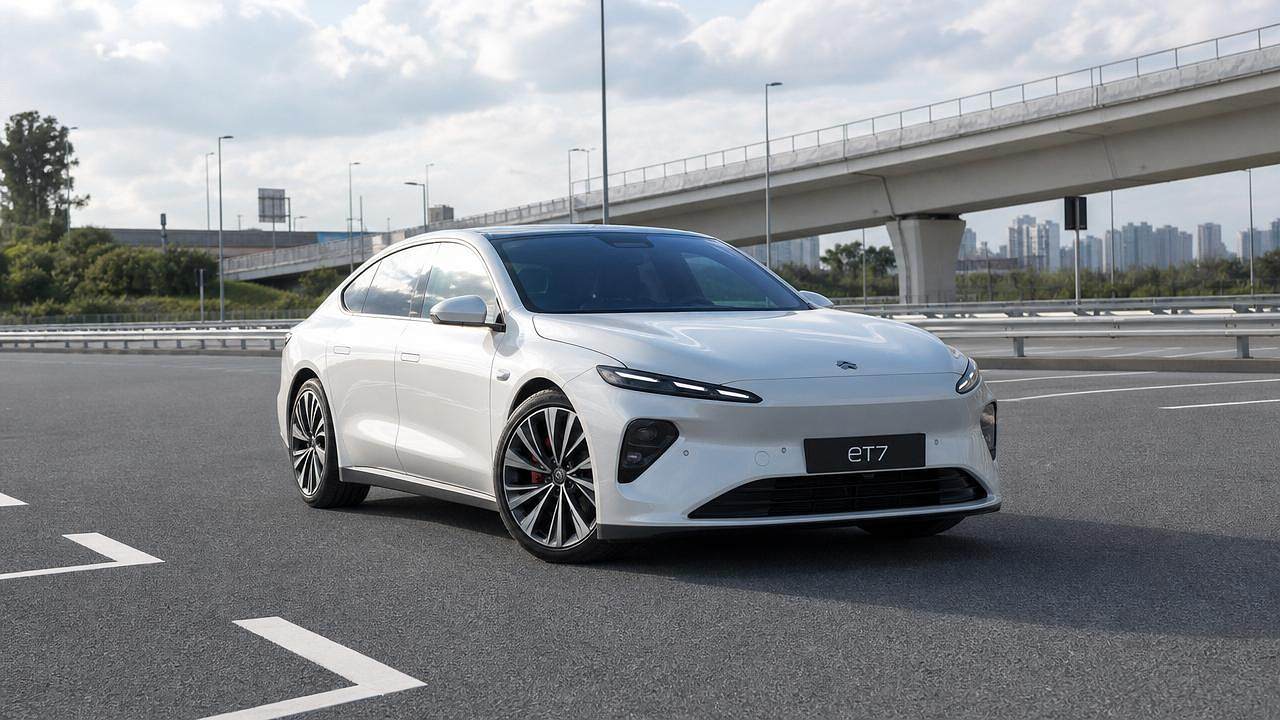
Choosing durable automotive exterior components is essential for long-term safety, appearance, and operating value. Parts exposed to sun, rain, gravel, heat, and vibration must resist fatigue without harming efficiency or comfort.
For modern vehicles, durability is no longer only about surviving impact. It also means keeping aerodynamic performance, optical clarity, sealing quality, sensor accuracy, and low noise over years of daily use.
This matters even more in the NEV era. Heavier battery packs, instant torque, and advanced driver assistance systems place higher demands on automotive exterior components than many buyers expect.
AEVS closely tracks these changes across wheels, tires, LED headlights, sensor switches, and sunroof systems. By understanding how each part behaves in real scenarios, it becomes easier to judge lasting quality before purchase.
Why judging automotive exterior components depends on the driving scenario
Not every vehicle faces the same environment. Urban commuting, highway travel, coastal exposure, and mixed rough roads create different failure risks for automotive exterior components.
A glossy finish may look impressive in a showroom. Yet true durability appears when components keep their shape, sealing, strength, and function after repeated thermal cycles, debris strikes, and moisture exposure.
Good judgment starts with three questions. What stress will the part face, how often will it face it, and what performance loss becomes unacceptable in daily use?
- Mechanical stress: impact, load, torque, vibration, and fatigue.
- Environmental stress: UV, salt, water, dust, heat, and freezing temperatures.
- Functional stress: optics, sensing, sealing, noise control, and aerodynamic stability.
Scenario 1: City commuting requires quiet, stable automotive exterior components
In city use, parts experience frequent starts, curbs, low-speed impacts, stop-and-go heat buildup, and constant exposure to pollution. Durability here means consistency, not dramatic failure resistance alone.
For alloy wheels, check casting or forging quality, coating thickness, and rim edge protection. A durable wheel should resist curb rash, corrosion, and micro-cracks while maintaining balance and finish.
For tires, focus on sidewall strength, tread wear rating, and rolling resistance balance. Durable automotive exterior components in urban settings should also support low noise and predictable wet braking.
Key signs to verify in urban conditions
- Uniform paint or powder coating without thin edges.
- Clear tire date code and trusted test certification.
- Headlight lens material with UV-resistant coating.
- Sensor housings sealed against splash and dust.
- Sunroof drainage and anti-rattle design details.
Scenario 2: Highway travel demands aerodynamic and thermal durability
At highway speed, automotive exterior components face sustained airflow, heat, vibration, and stone impact. Failures often begin as small changes in balance, sealing, or surface condition.
LED headlights deserve special attention. A durable unit needs effective thermal management, stable beam output, anti-fog sealing, and impact-resistant lenses that keep optical precision over time.
Sunroof systems must also handle pressure variation and wind noise. Good durability appears in glass bonding quality, guide rail wear resistance, motor reliability, and consistent NVH control at speed.
What to inspect before choosing
- Heat sink design and ventilation path for LED modules.
- Lens resistance to yellowing and surface pitting.
- Wheel structural certifications and load ratings.
- Tire speed rating matched to vehicle use.
- Sunroof seal compression quality after repeated cycles.
Scenario 3: Coastal, hot, and cold climates expose hidden durability weaknesses
Climate often reveals the real quality of automotive exterior components. Salt accelerates corrosion, UV damages coatings, and extreme cold hardens rubber and plastics, causing cracks or sealing failure.
In coastal regions, aluminum wheels need strong anti-corrosion finishing and careful surface treatment. Sensor switches and connectors should have reliable moisture barriers to prevent signal instability.
In high-heat areas, tire compounds must resist rapid aging. Headlights should maintain lumen stability, while sunroof seals must avoid shrinkage and hardening under long-term UV exposure.
Climate-focused judgment points
- Corrosion resistance claims supported by testing standards.
- Rubber seals with aging and ozone resistance data.
- Sensor covers that resist fogging and contamination.
- Headlight housings designed for thermal cycling stability.
Scenario 4: Performance and EV use place extra load on automotive exterior components
Electric vehicles create a unique durability challenge. Higher curb weight and instant torque increase stress on tires, wheels, and ground-contact systems during acceleration, braking, and cornering.
Durable automotive exterior components for EVs should combine lightweight design with strength. Low-pressure casting quality, forging precision, and tire carcass construction become especially important.
Noise matters too. Because EV cabins are quieter, tire roar, wind noise, and sunroof vibration become more noticeable. Durability therefore includes the ability to preserve comfort over long mileage.
Best checks for EV-oriented use
- Load index above the minimum real vehicle demand.
- Tires designed for EV torque and abrasion control.
- Wheels optimized for strength-to-weight efficiency.
- Headlights and sensors compatible with smart driving systems.
How different scenarios change durability requirements
Practical suggestions for selecting durable automotive exterior components
A smart decision combines materials, engineering proof, and real operating conditions. Avoid choosing automotive exterior components based only on styling, brand familiarity, or short-term price advantage.
- Match the part to the vehicle’s actual environment and mileage.
- Check standards such as ECE, DOT, load ratings, and impact test data.
- Review material details, including alloy grade, lens coating, and rubber compound.
- Look for evidence of thermal, corrosion, fatigue, and sealing validation.
- Consider lifecycle value, not only purchase price.
Trusted intelligence sources such as AEVS help connect technical specifications with real-world use. This is especially useful when comparing advanced headlights, forged wheels, EV tires, or sensor-integrated exterior systems.
Common mistakes when judging automotive exterior components
One common mistake is confusing hardness with durability. A very rigid part may resist one impact yet fail faster under fatigue, vibration, or thermal expansion.
Another mistake is ignoring system interaction. A strong wheel paired with an unsuitable tire, or a bright headlight with weak heat control, can reduce overall durability.
Appearance can also mislead. Shiny coatings, dramatic tread patterns, or complex lens designs do not guarantee that automotive exterior components will last in harsh conditions.
- Do not ignore warranty terms and test documentation.
- Do not overlook climate compatibility.
- Do not assume all EV-compatible parts perform equally.
- Do not judge by aesthetics alone.
Next steps for making a smarter durability decision
Start by listing the real driving scenario, climate, and annual mileage. Then compare automotive exterior components using the same criteria: structure, sealing, heat control, corrosion resistance, load capacity, and verified standards.
When evaluating newer technologies, rely on technical insight rather than visual impressions alone. AEVS provides ongoing intelligence on exterior lightweighting, optical systems, high-performance tires, and evolving compliance requirements.
The best durable automotive exterior components are those that keep safety, efficiency, comfort, and aesthetics stable through the exact conditions the vehicle will face. That is the clearest path to confident, lasting value.