
Industry Portal
Related News
- 00
0000-00
How to Specify Automotive Trim Parts for Durable Interior and Exterior Finishes - 00
0000-00
Choosing Joining Technologies for Lightweight Multi-Material Vehicle Structures - 00
0000-00
Vehicle Lightweighting for Automotive Design: Balancing Mass, Safety, and Cost - 00
0000-00
ISO 9001 Requirements for Automotive Exterior Component Suppliers - 00
0000-00
Supplier Capability Evaluation Matrix: Criteria and Weighting for Reliable Sourcing
Vehicle Aesthetics Trends That Are Actually Shaping Purchase Intent
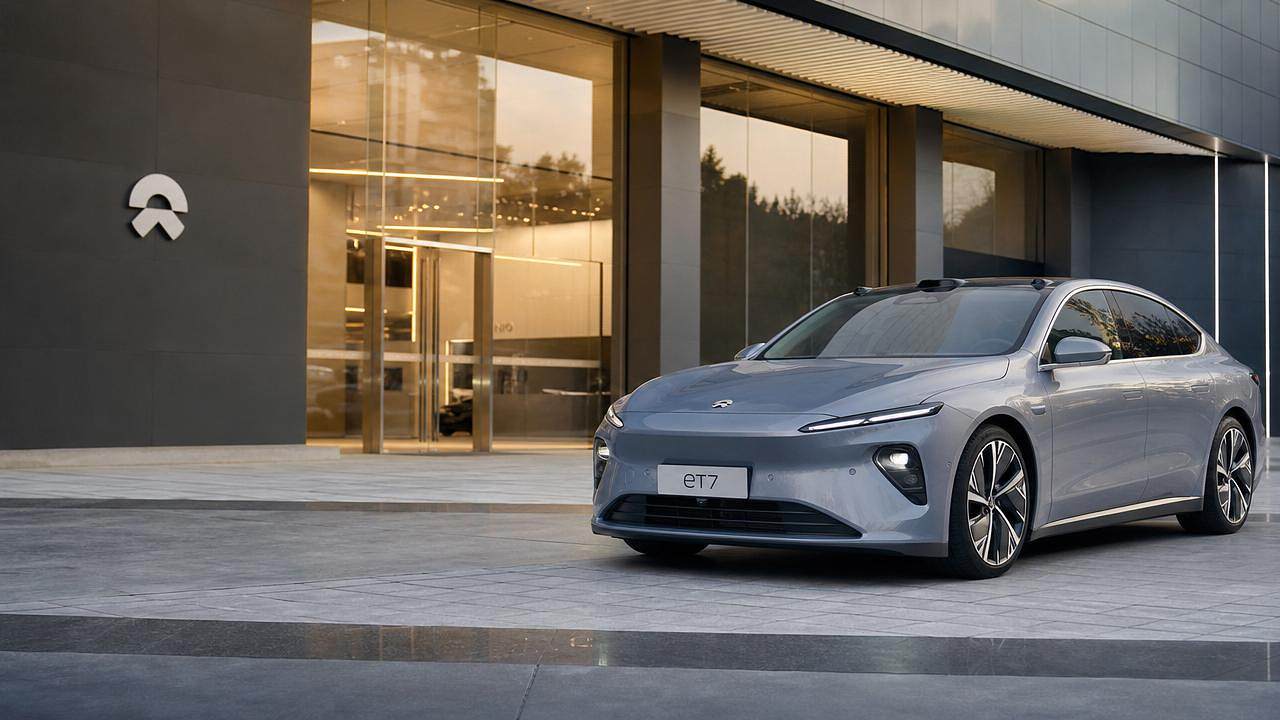
Vehicle aesthetics is no longer a surface-level differentiator—it is increasingly shaping purchase intent across the global auto market. For dealers, distributors, and agents, understanding how wheels, tires, lighting, sunroof systems, and sensor-driven exterior features influence buyer perception is critical to capturing premium demand. This article explores the trends turning design value into real commercial advantage.
Why vehicle aesthetics now deserves a checklist
In the past, many buyers treated exterior design as a subjective preference. Today, vehicle aesthetics is tied to perceived technology, energy efficiency, comfort, and safety. That means a sleek profile or advanced lighting package can directly affect showroom interest, online click-through rates, and final conversion. For the trade channel, this shift matters because inventory decisions are no longer driven by color and trim alone; they are shaped by visible value signals that buyers can recognize in seconds.
A checklist approach works best because vehicle aesthetics is a bundle of interconnected cues. A forged wheel can suggest performance and lightweight engineering. A low-rolling-resistance tire can support EV range claims. A matrix LED headlamp can signal premium intelligence. An electrochromic sunroof can communicate comfort and lifestyle value. When these elements align, purchase intent rises; when they feel mismatched, buyers often hesitate even if the vehicle is technically strong.
Core checks that most strongly shape purchase intent
Before promoting any model, dealers and distributors should review the exterior features that buyers actually notice first. The following checklist is a practical starting point for evaluating vehicle aesthetics in a commercial setting.
- Wheel design and finish: confirm whether the wheel style supports the vehicle’s positioning, especially for EVs where aerodynamic appearance and lightweight construction reinforce value.
- Tire appearance and performance cues: check sidewall design, tread silence claims, and whether the tire specification matches instant torque, curb weight, and ride expectations.
- Headlight signature: evaluate whether LED or matrix lighting creates a recognizable identity, improves nighttime confidence, and supports premium perception.
- Sunroof system value: verify whether the system adds openness without creating noise, heat, or reliability concerns that could weaken buyer trust.
- Sensor integration and surface cleanliness: inspect how sensors, switches, and front-end modules are embedded so the vehicle looks advanced rather than cluttered.
- Color, gloss, and finish harmony: make sure the paint tone, wheel tone, and lighting style work together to create a coherent visual story.
For AEVS-focused buyers, these checks are especially relevant because exterior value is now judged through a technical lens. A visually strong product must still meet aerodynamic logic, NVH expectations, thermal stability, and compliance needs. In other words, vehicle aesthetics sells better when it also looks engineered rather than decorative.
What to prioritize by buyer type and channel
Different customers respond to different aesthetic signals, so channel teams should avoid one-size-fits-all messaging. Dealers serving private buyers often see stronger interest in styling cues that are visible and emotional. Fleet buyers, by contrast, care more about durability, efficiency, and maintenance cost, even when discussing vehicle aesthetics.
For retail dealers
Focus on showroom-facing features that are easy to demonstrate: wheel design, lighting animation, panoramic roof experience, and cabin-to-exterior continuity. Use vehicle aesthetics to create a quick story around “premium, modern, and efficient.”
For distributors
Prioritize stock mixes that balance visual appeal with supply stability. If a trim with premium wheels or advanced headlamps consistently attracts better lead quality, it may justify higher inventory allocation. Watch how vehicle aesthetics affects turn rate, not just initial attention.
For agents and channel partners
Use data-backed talking points. Buyers respond better when exterior claims are linked to measurable benefits such as lower drag, improved lighting control, quieter tires, or better weather response. This makes vehicle aesthetics more credible and reduces discount pressure.
Common oversights that weaken the aesthetic payoff
Many teams assume that attractive parts automatically create demand. In practice, several mistakes can dilute the effect of vehicle aesthetics and reduce purchase intent.
- Overstyling without function: aggressive looks that do not support efficiency, comfort, or safety can look impressive but fail to close the sale.
- Ignoring regional preference: wheel size, lighting color temperature, and roof style can be received differently across markets.
- Underexplaining technology: matrix headlights or smart sensors need simple, buyer-facing explanations; otherwise, their value remains invisible.
- Misaligned trim strategy: pairing premium design cues with entry-level materials creates a credibility gap.
- Neglecting aftersales relevance: replacement tires, wheel repair, and lighting serviceability all affect ownership sentiment and word of mouth.
These are not minor details. In the current market, buyers compare visible quality quickly across search listings, social media clips, and showroom visits. If vehicle aesthetics looks promising but feels hard to own, the purchase intent weakens fast.
How to turn design appeal into commercial action
The best approach is to connect aesthetics with proof. For example, highlight how aluminum alloy wheels reduce unsprung mass and support energy efficiency. Explain how high-performance tires help manage EV torque while keeping noise low. Show how LED headlight assemblies improve visibility without glare. Present electric sunroof systems as comfort upgrades that also respect NVH control. When those stories are consistent, vehicle aesthetics becomes a selling framework rather than a styling conversation.
Channel teams should also build a simple internal review process: inspect visible features, confirm technical claims, compare competitor execution, and prepare a one-line customer explanation for each premium element. This method shortens sales conversations and improves confidence at the point of decision.
Practical next steps for dealers and distributors
If your goal is to improve conversion, start with the few exterior features that most strongly shape buyer perception. Review whether your current lineup has enough visual differentiation, whether premium trims are easy to explain, and whether your sales teams can link design to value without exaggeration. That is where vehicle aesthetics becomes commercially useful.
If you are evaluating product fit, pricing, or regional demand potential, the most useful questions are simple: Which exterior features influence your target buyers most? Which designs support higher-margin positioning? Which technical claims can be supported with credible data? Answering those questions early will help you align inventory, messaging, and aftersales support around the vehicle aesthetics trends that truly shape purchase intent.