
Industry Portal
Related News
- 00
0000-00
How to Specify Automotive Trim Parts for Durable Interior and Exterior Finishes - 00
0000-00
Choosing Joining Technologies for Lightweight Multi-Material Vehicle Structures - 00
0000-00
Vehicle Lightweighting for Automotive Design: Balancing Mass, Safety, and Cost - 00
0000-00
ISO 9001 Requirements for Automotive Exterior Component Suppliers - 00
0000-00
Supplier Capability Evaluation Matrix: Criteria and Weighting for Reliable Sourcing
Why Vehicle Exterior Architects Rework Parts Late
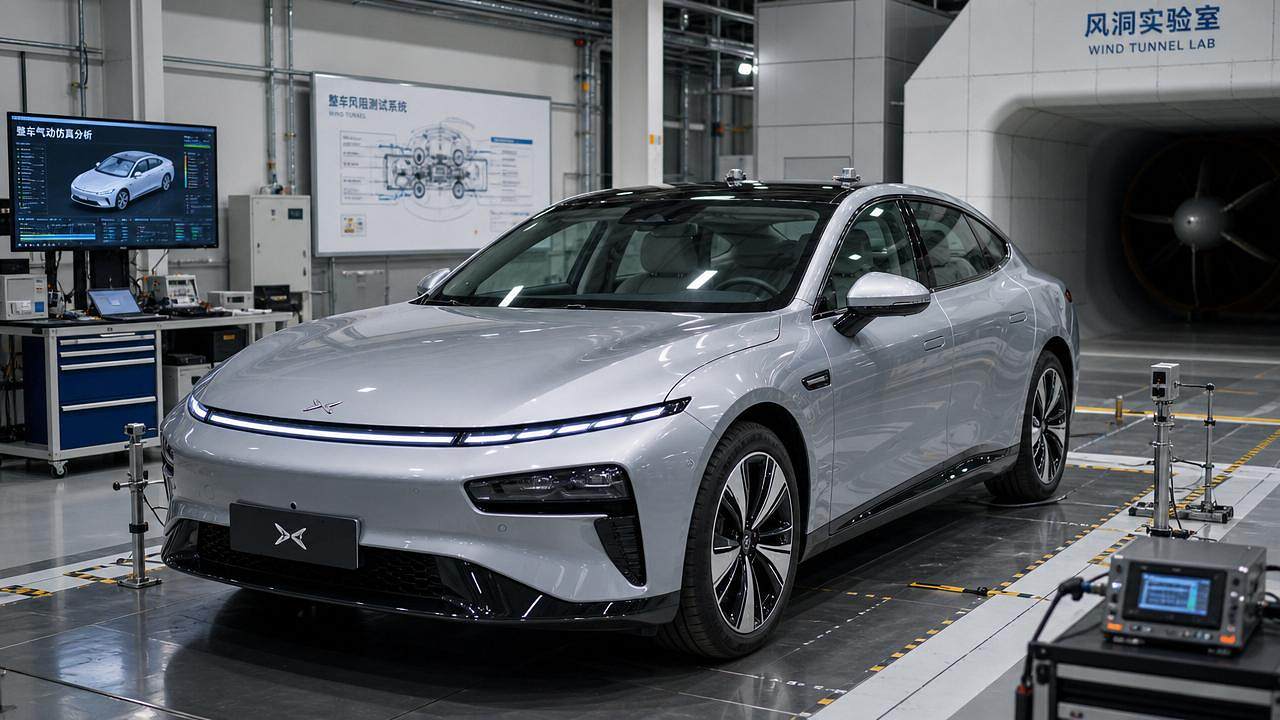
Why do vehicle exterior architects still revise parts late in development, despite stronger CAE, CFD, optical simulation, and digital validation? The short answer is that exterior systems sit at the intersection of styling, regulation, aerodynamics, optics, packaging, and cost. A small surface change can affect drag, wind noise, lamp performance, wheel airflow, tire clearance, sensor coverage, and tooling feasibility at once.
For the wider automotive ecosystem, this matters because late rework raises launch risk, extends engineering cycles, and weakens margin control. Understanding why vehicle exterior architects rework parts late helps teams make better decisions around lightweight components, vision systems, compliance, and aftermarket competitiveness.
Why do vehicle exterior architects rework parts late, even after digital validation?
Digital tools are powerful, but they do not eliminate real-world uncertainty. Vehicle exterior architects often validate one target, then discover conflicts with another target later.
An aerodynamic surface may pass CFD goals, yet create headlamp thermal issues. A wheel design may support styling intent, yet worsen brake cooling or increase turbulence near sensors.
Late changes also emerge when suppliers finalize production details. Surface thickness, joining methods, coatings, lens materials, and tolerances can alter the original design balance.
In NEV programs, the pressure is stronger. Heavier battery packs, higher torque, and tighter efficiency targets make every exterior millimeter more sensitive than before.
That is why vehicle exterior architects still revisit bumper skins, wheel arch treatments, lamp geometry, sensor locations, and sunroof interfaces late in the process.
The most common triggers include:
- New test data that differs from simulation assumptions
- Last-minute regulation interpretation or market-specific homologation needs
- Supplier capability gaps in tooling, optics, casting, or surface finish
- Changes in tire size, wheel offset, or suspension travel
- Sensor performance issues in rain, glare, dirt, or vibration
- Material cost shifts that force redesign toward alternative constructions
Which exterior systems create the most late-stage conflicts?
Not all parts carry equal risk. Vehicle exterior architects usually face the greatest rework pressure in systems that combine appearance, physics, and compliance.
LED headlight assemblies
Modern lamps are no longer simple lighting units. They are optical, thermal, electronic, software, and legal systems in one package.
A lens contour change can alter glare control, beam pattern stability, heat rejection, and sealing durability. Even small aesthetic edits may trigger full validation loops.
Aluminum alloy wheels and tire packages
Wheel design affects unsprung mass, airflow, cooling, curb impact resistance, and EV range. Tire revisions change rolling resistance, acoustic behavior, and envelope clearance.
Because these parts directly influence stance and brand identity, vehicle exterior architects often revisit them when performance and styling diverge.
Smart sensors and exterior integration
Radar, cameras, photoelectric switches, and rain sensors depend on clean sightlines and controlled environmental exposure. Decorative trim can degrade signal quality or create false readings.
Electric sunroof systems
Sunroofs affect roof stiffness, water management, head impact zones, and NVH. A design that looks seamless can still require late reinforcement or sealing revisions.
What makes late rework more common in EV and smart vehicle programs?
EVs amplify interaction between exterior design and vehicle performance. Lower drag targets are stricter, while battery mass increases demands on tires, wheels, and ride control.
At the same time, smart vehicles add more cameras, radars, projection lighting, and automatic sensor switches. These systems require exact positioning and robust environmental protection.
Vehicle exterior architects therefore work in a narrower design window. Styling freedom remains important, but acceptable error margins shrink significantly.
A change that once affected only appearance now can affect range, ADAS confidence, legal beam pattern, repair cost, and software calibration.
Typical EV-specific pressure points
- Wheel designs optimized for low drag but challenged by brake airflow
- Tires tuned for low rolling resistance but limited on wet grip or wear
- Headlamp signatures competing with thermal and power budgets
- Flush surfaces helping aero while complicating water and dirt management
- Sensor integration affected by glossy finishes or metallic interference
How can teams tell whether rework is necessary or avoidable?
Not all late rework is wasteful. Some changes protect safety, legal approval, and long-term quality. The key is to distinguish essential correction from preventable iteration.
Vehicle exterior architects should review the origin of each issue. If the cause is missing cross-functional alignment, the process needs improvement. If the cause is new evidence, redesign may be justified.
This kind of review helps vehicle exterior architects and program leaders decide whether to absorb a short-term cost or redesign the process itself.
What are the biggest risks of ignoring late-stage exterior conflicts?
Ignoring late conflicts usually costs more than fixing them. Exterior parts are highly visible, tightly regulated, and difficult to hide once in production.
If vehicle exterior architects accept unresolved issues, consequences may appear across several layers:
- Reduced EV range from unoptimized drag or rolling resistance
- Customer complaints about wind noise, water leakage, or lamp fogging
- Homologation delays from lighting or visibility non-compliance
- Sensor malfunction in rain, glare, mud, or winter contamination
- Higher warranty cost for seals, coatings, lenses, or wheel finish
- Aftermarket weakness if parts are expensive to replace or poorly differentiated
The hidden risk is strategic. A product may launch on time, yet lose market competitiveness because the exterior system fails to support efficiency, perception, and durability together.
How can vehicle exterior architects reduce rework without slowing innovation?
The answer is not to freeze creativity too early. Instead, build stronger intelligence links across design, simulation, testing, sourcing, and compliance.
Five practical actions
- Correlate virtual tools with physical test data more often, not only at milestones.
- Review wheels, tires, lamps, and sensors as one airflow and visibility system.
- Bring supplier process limits into concept decisions earlier.
- Track regulation changes and regional standards continuously.
- Use cost sensitivity analysis for aluminum, rubber, optics, and coatings before freeze.
This is where strategic intelligence becomes valuable. Continuous insight into optics, tire chemistry, wheel airflow, and homologation trends gives vehicle exterior architects a better decision base.
For example, understanding CFD behavior inside low-drag wheels can prevent conflicts between efficiency and brake cooling. Tracking smart headlight thermal models can reduce late lamp redesign.
FAQ: common questions about late-stage exterior rework
Late rework remains a reality because exterior architecture is where aesthetics, safety, aerodynamics, optics, material science, and manufacturing meet. Vehicle exterior architects are not merely refining surfaces. They are managing trade-offs that directly affect product success.
The most resilient programs treat late changes as signals, not isolated problems. They use better correlation, earlier supplier input, and deeper market intelligence to shorten reaction time.
If the goal is stronger exterior competitiveness, better range, and more reliable smart perception, the next step is clear: evaluate the hidden links between wheels, tires, lamps, sensors, and aerodynamic surfaces before the next design freeze.