Industry Portal
Related News
- 00
0000-00
ECE-Compliant Lighting for Commercial Vehicles: Approval and Installation Checks - 00
0000-00
Laser Adaptive Headlights: What to Check for Range and Glare Control - 00
0000-00
Precision Forging for Aluminum Wheels: Alloy Selection and Fatigue Performance - 00
0000-00
NEV Industry Standards in China: Which Battery Safety Tests Are Required? - 00
0000-00
Automotive Exterior Lighting Systems: Lamp Types, Functions, and Placement
How CFD simulations reveal drag issues before prototyping
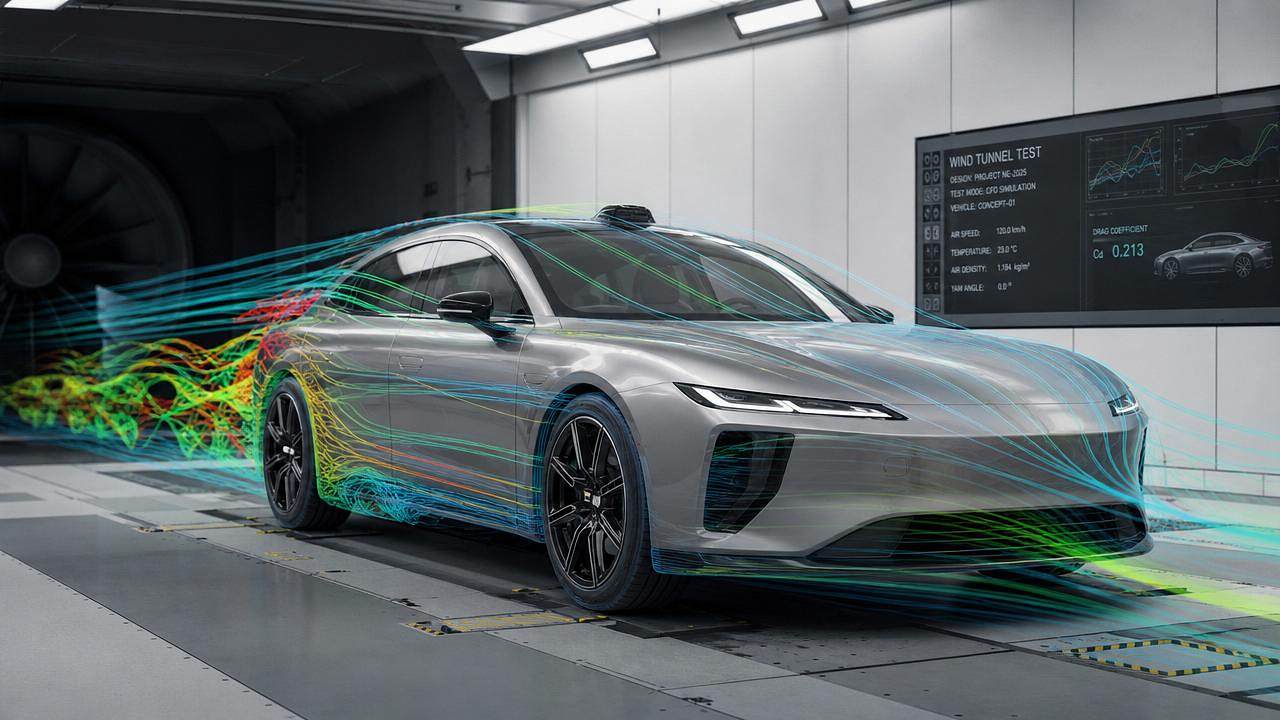
CFD simulations are becoming an earlier decision tool in vehicle development
For technical evaluators in automotive exterior and vision systems, CFD simulations expose drag issues before tooling, testing, and prototype loops begin.
That shift matters because exterior efficiency now affects range, noise, thermal balance, sensor reliability, and design feasibility at the same time.
In NEV programs, even small airflow losses around wheels, lamps, mirrors, roof systems, and sensor covers can create measurable energy penalties.
CFD simulations help teams visualize those hidden losses early, compare concepts faster, and avoid expensive redesigns after physical validation begins.
This is especially relevant for AEVS-focused domains, where aesthetics, lightweighting, optical performance, and aerodynamic discipline must work together.
Why drag risk is rising across exterior and vision systems
The industry is moving toward cleaner body surfaces, tighter packaging, and more visible sensing hardware.
At the same time, battery range targets are stricter, customer expectations for cabin quietness are higher, and lighting modules are becoming larger and smarter.
These pressures make airflow behavior more sensitive to minor geometry changes than many teams expect.
A wheel spoke shape, tire shoulder contour, lamp lens edge, or radar housing seam may appear minor in CAD.
Yet under real flow conditions, those details can trigger turbulence, separation, recirculation, or cooling imbalance.
CFD simulations make these effects visible long before wind tunnel scheduling becomes a bottleneck.
The strongest trend signals behind wider CFD simulations adoption
What CFD simulations reveal before a prototype exists
The biggest value of CFD simulations is not only final drag prediction.
It is the ability to reveal where performance is being lost, why it is happening, and which geometry choices are causing it.
In exterior and vision systems, the most useful early findings often include the following:
- Flow separation at lamp edges, grille transitions, and A-pillar adjacent surfaces
- Wake growth around wheel arches, wheel covers, and low-drag alloy wheel concepts
- Pressure hotspots near sensor pods, radar covers, and camera housings
- Air recirculation that traps heat around headlight assemblies or brake areas
- Local contamination paths that affect optical clarity or sensor field stability
- Noise-related turbulence sources near roof openings and sealing interfaces
This makes CFD simulations a cross-functional intelligence tool rather than a narrow engineering checkpoint.
Typical high-risk components where airflow surprises appear early
Aluminum alloy wheels often create a difficult tradeoff between style, brake cooling, mass reduction, and aerodynamic cleanliness.
CFD simulations can compare spoke openness, rim channel geometry, and wheel face treatments before expensive validation tooling is committed.
LED headlight assemblies also create hidden flow consequences around lens contours, trim interfaces, and thermal venting zones.
For auto sensor switches and perception hardware, external shape decisions affect not only drag but also water behavior, dust accumulation, and signal stability.
Even electric sunroof systems influence roofline airflow, wind noise, and local pressure distribution around sealing structures.
Why the shift is happening now: the main technical and business drivers
- Battery-electric platforms reward small drag improvements more clearly than combustion platforms did.
- Exterior parts now carry more functions, making isolated design decisions less reliable.
- Prototype builds, tunnel hours, and late tooling changes add major cost and schedule risk.
- Better computing access has made iterative CFD simulations practical earlier in design cycles.
- Regulatory and market pressure favor measurable efficiency, safety, and reduced rework.
Taken together, these factors explain why CFD simulations are moving upstream from validation support into concept screening and architecture decisions.
How earlier drag discovery changes downstream decisions
Earlier findings change more than aerodynamics targets.
They reshape decisions in styling, materials, optical packaging, sealing strategy, and aftermarket positioning.
When CFD simulations identify weak zones early, design teams can preserve visual intent while refining local surfaces instead of redesigning entire assemblies later.
That is especially valuable for exterior programs where brand identity depends on wheel signature, lighting graphics, and roofline proportions.
For performance tires and wheel systems, earlier airflow insights also support better coordination between rolling resistance, brake cooling, and aero drag goals.
For smart optical systems, CFD simulations help prevent thermal and contamination issues from undermining visibility or perception performance in real driving conditions.
Operational impact across key business links
What deserves the closest attention in the next evaluation cycle
- Prioritize components with both aerodynamic and thermal sensitivity.
- Review wheel, tire, lamp, and sensor interfaces as a connected airflow system.
- Use CFD simulations to compare at least three geometry variants, not one.
- Track local flow behavior, not only total drag coefficient outcomes.
- Link airflow findings to contamination, noise, range, and cooling implications.
- Document assumptions clearly for later tunnel or road-test correlation.
This approach helps avoid a common mistake: treating CFD simulations as a final approval step rather than an early decision engine.
A practical response path for companies following this trend
- Map drag-sensitive zones across exterior, wheel, roof, and sensor architectures.
- Set fast virtual review gates before prototype release and tooling investment.
- Build shared metrics that connect drag findings to range, heat, and cleanliness.
- Correlate selected CFD simulations with physical tests to improve confidence over time.
- Use the insights in technical reporting, aftermarket positioning, and product evolution planning.
For intelligence-led platforms such as AEVS, this matters because the strongest competitive signals increasingly come from integrated technical judgment.
CFD simulations are no longer just an engineering convenience.
They are becoming a strategic lens for reading design risk, efficiency opportunity, and market readiness before hardware exists.
The next move: turn hidden drag into visible advantage
Teams that adopt CFD simulations earlier can make cleaner tradeoffs between styling, safety, thermal control, and energy efficiency.
That advantage grows when wheel systems, headlights, roof modules, tires, and sensor components are evaluated as one aerodynamic ecosystem.
Use the next program review to identify where CFD simulations can replace assumptions with evidence.
The earlier drag issues are revealed, the more room remains to improve performance without sacrificing design intent or commercial timing.