Industry Portal
Related News
- 00
0000-00
ECE-Compliant Lighting for Commercial Vehicles: Approval and Installation Checks - 00
0000-00
Laser Adaptive Headlights: What to Check for Range and Glare Control - 00
0000-00
Precision Forging for Aluminum Wheels: Alloy Selection and Fatigue Performance - 00
0000-00
NEV Industry Standards in China: Which Battery Safety Tests Are Required? - 00
0000-00
Automotive Exterior Lighting Systems: Lamp Types, Functions, and Placement
How automotive exterior components affect repair costs
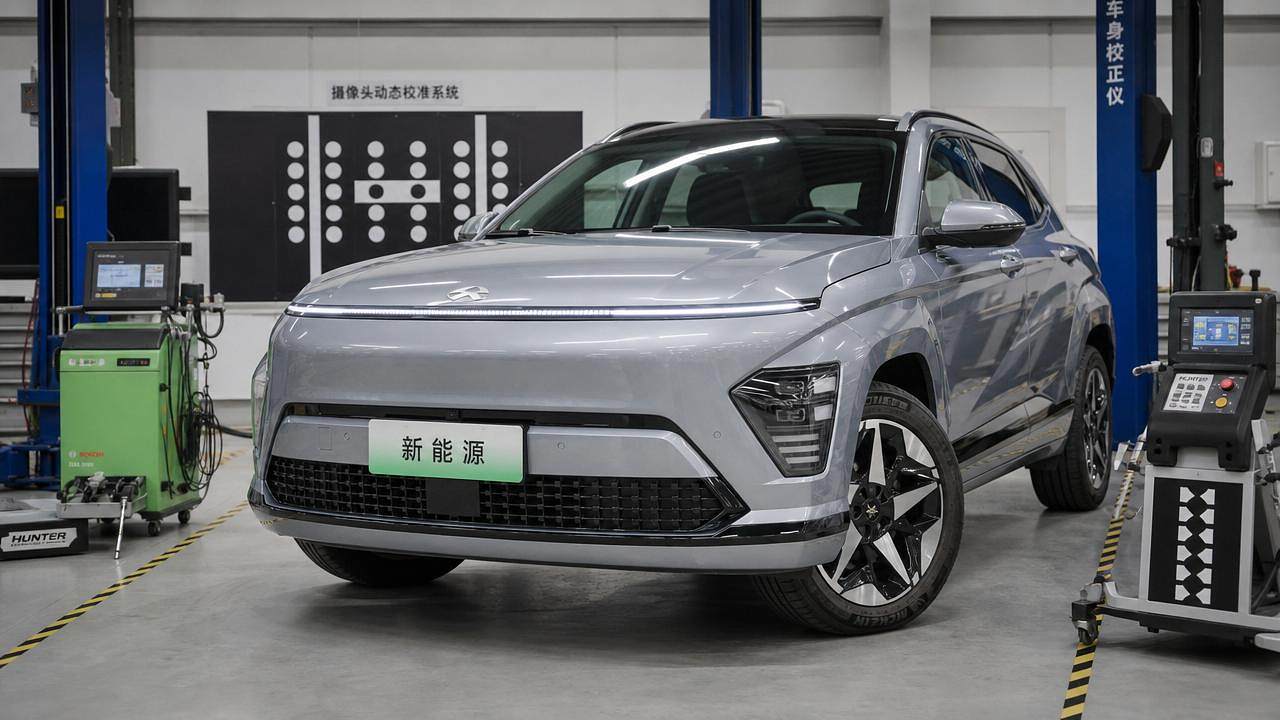
Automotive exterior components do far more than shape a vehicle’s appearance—they directly influence inspection complexity, parts pricing, labor time, and calibration requirements during repairs. For aftermarket maintenance professionals, understanding how wheels, tires, lighting systems, sensors, and exterior panels affect total repair costs is essential for accurate diagnostics, efficient service planning, and better customer communication.
Why repair cost changes across different exterior damage scenarios
Not all exterior damage creates the same repair path.
A scratched bumper, a bent alloy wheel, and a failed LED lamp may look unrelated.
Yet each involves different pricing logic, inspection depth, and post-repair validation.
That is why automotive exterior components deserve close attention in repair planning.
Modern vehicles combine styling parts with sensing, lighting, aerodynamics, and lightweight materials.
As a result, one damaged area can trigger costs beyond visible surface replacement.
A minor impact may also affect radar alignment, tire wear, wheel balance, or headlight calibration.
This is especially true in EV and smart mobility platforms.
AEVS tracks these shifts because automotive exterior components now carry both design value and functional intelligence.
Scenario 1: Wheel and tire damage often raises hidden repair costs
Wheel and tire repairs appear straightforward, but costs can escalate quickly.
Low-profile tires, forged wheels, and EV-specific compounds increase replacement prices.
Labor also rises when technicians must inspect suspension geometry after curb impact.
A cracked wheel may require replacement instead of cosmetic refinishing.
A damaged tire sidewall usually eliminates repair options for safety reasons.
Core judgment points in wheel-related repair cases
- Is the wheel cast, flow-formed, or forged?
- Does the tire use EV low rolling resistance technology?
- Is there bead damage, sidewall bulge, or inner liner failure?
- Does the impact require alignment, balancing, or TPMS relearn?
- Is brake airflow design or wheel finish part of the replacement cost?
Because these automotive exterior components interact with safety and efficiency, repair estimates must include secondary checks.
Ignoring those checks often leads to customer callbacks and uneven tire wear.
Scenario 2: Lighting system repairs cost more when optics become intelligent
Headlight assemblies are no longer simple bulbs inside plastic housings.
Many current vehicles use adaptive LED modules, matrix beams, and integrated sensors.
That makes automotive exterior components in the lighting zone far more expensive to repair.
A cracked lens may seem cosmetic, yet moisture intrusion can damage electronic drivers.
A front-end collision may also require aiming, coding, and anti-glare function verification.
What increases cost in headlight repair scenarios
- High-value modules rather than replaceable bulbs.
- Calibration procedures after bumper or lamp replacement.
- Compliance checks against ECE or DOT specifications.
- Programming needs when units connect to vehicle networks.
For repair planning, lighting-related automotive exterior components should be treated as precision systems, not trim parts.
Scenario 3: Sensors and switches create calibration-driven repair bills
Exterior sensors often sit behind bumpers, mirrors, windshields, and lighting units.
Even a low-speed impact can disturb brackets, aiming angles, or sensor coverage zones.
This means automotive exterior components now affect repair costs through software and calibration labor.
Rain sensors, auto light switches, blind-spot modules, and parking sensors may all require validation.
If replacement parts fit physically but fail electronically, total costs rise again.
In these cases, the visible part is only one cost layer.
Diagnostic scanning, static calibration, and road test verification may consume more time than installation itself.
Scenario 4: Exterior panels and roof systems change labor intensity
Body panels strongly influence labor hours, refinishing steps, and replacement decisions.
Steel, aluminum, mixed-material panels, and panoramic roof systems require different handling methods.
That makes automotive exterior components a major factor in workshop scheduling.
Aluminum panels can increase tooling needs and contamination control requirements.
Sunroof systems add rails, seals, drainage checks, and noise inspection after repair.
If water leakage or wind noise appears later, repair cost expands beyond the original estimate.
Common panel-related cost triggers
- Material-specific repair procedures.
- Paint blending across adjacent panels.
- Seal replacement and water testing.
- Glass, trim, or sensor removal before access.
How different automotive exterior components create different repair needs
Practical recommendations for matching repair strategy to the damage scene
The best repair plan depends on the component, the vehicle platform, and the failure depth.
Using one estimate logic for all automotive exterior components leads to underpricing or incomplete repairs.
- Separate visible damage from system-level damage before quoting.
- Confirm whether replacement triggers coding or calibration.
- Check material type for wheels, panels, and roof structures.
- Review tire load index and EV compatibility before substitution.
- Document standards-related lighting requirements before final delivery.
- Include leak, noise, and alignment verification in closeout procedures.
These steps improve estimate accuracy and reduce avoidable rework.
Common misjudgments that make automotive exterior components more expensive to repair
A frequent mistake is treating advanced exterior parts like ordinary cosmetic items.
That assumption fails when the part also manages airflow, illumination, sensing, or structural sealing.
Another common error is pricing only the damaged component.
In reality, nearby automotive exterior components may need removal, testing, or recalibration.
Overlooking standards compliance is another risk.
Headlight performance, sensor positioning, and tire specification all affect road legality and safety.
Finally, material volatility matters.
Aluminum and rubber price shifts can change repair economics faster than expected.
A clearer next step for managing exterior repair costs
Repair outcomes improve when every estimate starts with component function, not surface appearance.
That approach is now essential because automotive exterior components combine aesthetics, efficiency, and intelligent control.
AEVS helps connect these repair realities with wider market intelligence.
Its coverage of wheels, tires, lighting, roof systems, and sensor technologies supports better technical judgment.
For anyone evaluating repair complexity, the next practical step is simple.
Map each damaged area to its hidden dependencies, then verify labor, calibration, and compliance before final pricing.
That is how automotive exterior components can be managed with fewer surprises, stronger accuracy, and more predictable repair costs.