
Industry Portal
Related News
- 00
0000-00
ISO 9001 Requirements for Automotive Exterior Component Suppliers - 00
0000-00
Supplier Capability Evaluation Matrix: Criteria and Weighting for Reliable Sourcing - 00
0000-00
How to Choose SUV Performance Tires for Grip, Load Capacity, and Daily Comfort - 00
0000-00
How EV Exterior Design Balances Aerodynamics, Range, and Brand Identity - 00
0000-00
Silent Tire Prices: What Fleet Buyers Should Compare Beyond the Upfront Cost
What Is Vehicle Aesthetics? Key Design Elements That Shape Buyer Perception
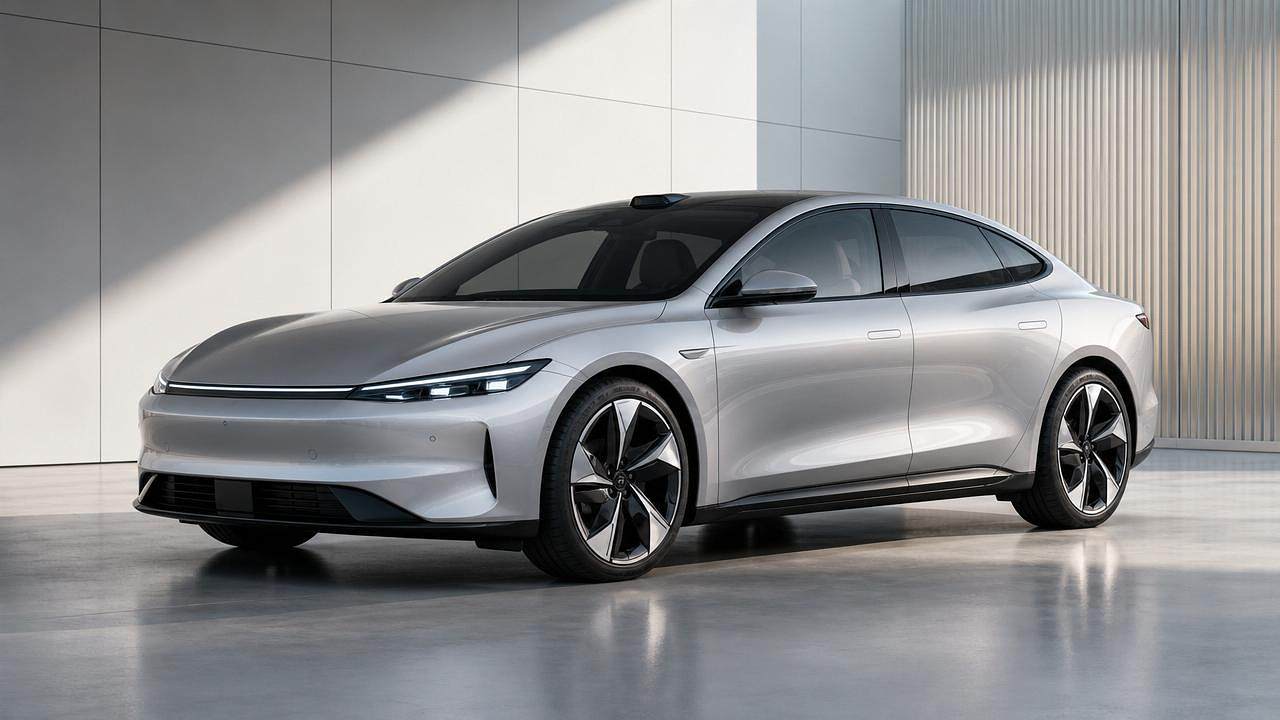
Vehicle aesthetics is often mistaken for styling alone, yet buyers read much more from a vehicle’s exterior. Proportion, stance, lighting, wheel form, roof treatment, and sensor integration all send signals about quality, efficiency, safety, and technical maturity. In a market shaped by electrification and smart mobility, these visual cues matter even more because first impressions now influence how people judge range, intelligence, and driving confidence before a test drive even begins.
Vehicle aesthetics is the visible language of engineering
At its core, vehicle aesthetics describes how exterior elements work together to create a coherent perception of the car. It includes form, surface, detail, material, light, and the relationship between beauty and function.
That is why strong vehicle aesthetics rarely comes from decoration alone. It emerges when design decisions support aerodynamics, thermal management, visibility, lightweighting, NVH control, and digital interaction.
For conventional vehicles, this balance has long influenced brand recognition. For NEVs, the stakes are higher because exterior design now carries messages about energy efficiency, software intelligence, and safety systems.
A clean body side can suggest aerodynamic discipline. A refined lighting signature can imply intelligent sensing. A poorly integrated sensor housing, by contrast, can make advanced technology look unfinished.
Why buyer perception has become more sensitive
The current automotive market is visually crowded. Many vehicles share similar silhouettes, flush surfaces, and minimalist interiors. As products converge, smaller exterior decisions carry more weight in buyer perception.
Electrification also changes expectations. People now associate certain exterior traits with modernity: lower drag wheels, sharper LED graphics, cleaner rooflines, and discreet sensor placement.
At the same time, regulations and cost pressures are intensifying. Compliance with ECE or DOT lighting rules, aluminum and rubber price swings, and pressure to reduce weight all affect what can be designed.
This is where industry intelligence becomes useful. AEVS focuses on the intersection of exterior lightweight components, ground contact systems, and smart optical perception, which is exactly where modern vehicle aesthetics is being redefined.
The design elements that shape perception most directly
Wheels and stance create the first visual judgment
Before many buyers notice technical specifications, they notice stance. Wheel size, spoke geometry, offset, and how the tire fills the arch immediately affect whether a vehicle looks stable, efficient, sporty, or premium.
Aluminum alloy wheels are especially important in vehicle aesthetics because they sit at the intersection of appearance and performance. A wheel that looks precise but also reduces drag supports both visual value and EV efficiency.
Low-pressure casting and precision forging matter here, not only for strength but for form freedom. They allow designers to create lighter, cleaner, and more technically credible wheel patterns.
Tires influence visual confidence and real driving feel
Tires are usually discussed for grip or durability, yet they also affect vehicle aesthetics. Sidewall shape, section width, and road contact proportions influence whether the car appears planted, agile, or overbuilt.
In NEVs, this relationship becomes more critical. Heavy curb weight and instant torque demand tires that can deliver silence, low rolling resistance, and grip without making the vehicle appear visually heavy.
When tire performance and visual stance align, buyer perception improves. When they conflict, the vehicle may look attractive in photos but feel inconsistent in real use.
Lighting signatures define identity and trust
LED headlight assemblies have become one of the clearest expressions of vehicle aesthetics. They no longer function as simple lamps. They act as identity markers, safety tools, and a visible sign of software-enabled capability.
Buyers often read lighting quality as a proxy for overall product quality. Crisp beam graphics, precise daytime running signatures, and smooth integration into body surfaces suggest sophistication.
More advanced systems, such as matrix LED solutions, extend this role further. Anti-glare masking, projection guidance, and adaptive illumination make the lighting system feel intelligent rather than ornamental.
Roof systems change space perception
Electric sunroof systems affect more than overhead light. They reshape how people perceive openness, comfort, and refinement from the outside and inside at the same time.
Electrochromic dimming adds a modern layer to vehicle aesthetics because it supports a cleaner roof design while reducing the need for traditional shading solutions. Better NVH control also protects the premium impression.
When executed well, the roof system extends the vehicle’s visual architecture. When poorly integrated, it can interrupt proportions or introduce noise that weakens the ownership experience.
Sensors must look native, not added later
Smart mobility depends on sensing, but vehicle aesthetics suffers when sensors appear as afterthoughts. Radar modules, photoelectric switches, and body-mounted detection points need to feel embedded within the exterior logic.
Clean integration improves trust. It tells the viewer that blind-spot monitoring, auto wipers, and smart headlight activation are part of a unified system rather than scattered features.
This design discipline matters because perception of intelligence is now partly visual. A technically advanced vehicle still looks immature if its sensing hardware breaks the harmony of the body.
How aesthetics and business value connect
Vehicle aesthetics influences more than showroom appeal. It affects premium pricing potential, brand memory, aftermarket demand, and confidence in technical credibility.
That connection is increasingly visible in exterior categories with strong replacement or customization activity. Forged wheels, premium tires, and advanced lighting upgrades all benefit when appearance and engineering reinforce each other.
AEVS tracks this through its Strategic Intelligence Center, where optics science, tire dynamics, and exterior architecture are analyzed together. That multidisciplinary view matters because buyer perception does not separate these systems.
What deserves closer attention in practice
Evaluating vehicle aesthetics in a real business context requires more than liking a shape. The key is to ask whether the visible design choices support the promised vehicle character.
- Check whether aerodynamic surfaces and wheel designs match the efficiency claims of the vehicle.
- Review lighting not only for style, but for beam precision, thermal strategy, and regulatory compatibility.
- Compare tire stance with actual load, torque, and ride targets rather than appearance alone.
- Assess whether sunroof and glass treatments improve comfort without creating NVH or thermal penalties.
- Observe sensor placement carefully, since poor integration often signals compromises elsewhere.
Usually, the strongest vehicle aesthetics comes from consistency. Each exterior component should support the same message, whether that message is efficiency, ruggedness, luxury, or intelligent urban mobility.
Where the next evaluation should begin
A useful next step is to treat vehicle aesthetics as a decision framework rather than a taste debate. Start by identifying the intended vehicle character, then examine which exterior systems actually reinforce it.
From there, compare wheel aerodynamics, tire behavior, lighting intelligence, roof comfort, and sensor integration as connected variables. This approach produces a clearer view of both design quality and market readiness.
For ongoing research, it helps to follow technical and commercial signals together. Material costs, compliance standards, aftermarket trends, and optical or airflow innovations often explain why vehicle aesthetics is changing and where it is likely to move next.
In other words, understanding vehicle aesthetics today means reading the exterior as a system. The more accurately that system aligns perception with real performance, the stronger the product position becomes.