Industry Portal
Related News
- 00
0000-00
IAA Mobility 2026 Puts Panoramic Roofs on the Procurement Agenda - 00
0000-00
Aluminum Spike Extends Forged Wheel Lead Times - 00
0000-00
Japan Enforces Dual Durability Tests for Smart Dimming Glass - 00
0000-00
U.S. DOT Moves to Require OTA Audit Capability in ADB Modules - 00
0000-00
EU Laser Headlight Rule Under ECE R149 Takes Effect July 1
What causes photoelectric sensing errors in low light?
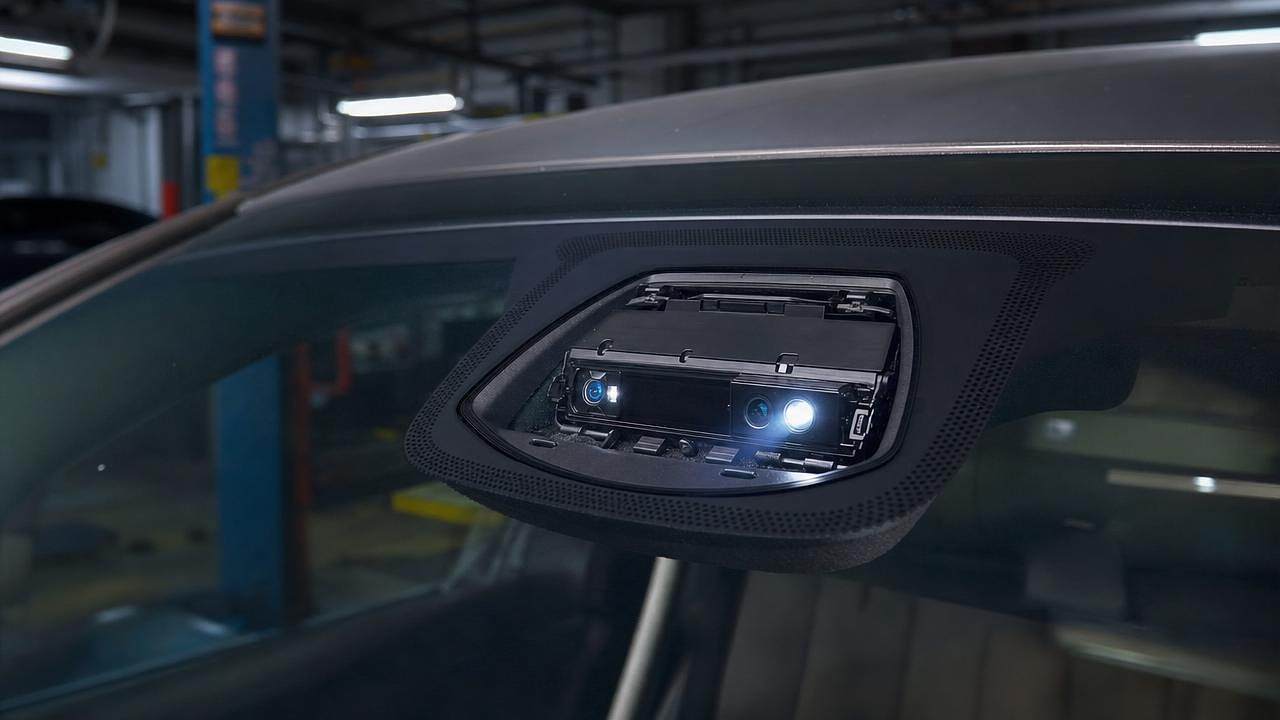
In low-light environments, photoelectric sensing can become vulnerable to missed triggers, false readings, and delayed response—issues that directly affect inspection accuracy and repair efficiency. For aftermarket maintenance personnel, understanding what causes these errors is essential to diagnosing sensor-related faults in lighting, wiper, and body control systems. This article outlines the main interference factors and practical troubleshooting clues to help improve service reliability.
Why does photoelectric sensing become unstable in low light?
At its core, photoelectric sensing depends on the detection of light changes. When ambient illumination drops too far, the signal-to-noise ratio narrows, and the sensor may struggle to distinguish a real target event from background electrical noise, optical scatter, or delayed reflective feedback.
For aftermarket maintenance teams working on auto headlight activation, rain/light sensor modules, and body control functions, low-light errors rarely come from one cause alone. They usually result from an overlap of optical contamination, installation deviation, aging components, software thresholds, and unstable vehicle power conditions.
This matters even more in new energy vehicles, where sensor switching logic increasingly links with smart lighting, driver assistance, and energy-saving control strategies. A small photoelectric sensing deviation can trigger customer complaints about auto lamps switching too early, too late, or repeatedly under tunnels, garages, dusk, and bad weather.
- Low incident light reduces usable optical contrast.
- Contamination on the lens or windshield changes transmission efficiency.
- Electronic noise becomes more influential when the sensor output is already weak.
- Calibration values set for ideal lab conditions may not match real service environments.
What low light really means in service practice
Low light is not limited to night driving. In service bays, underground parking, rainy dawn conditions, tinted glass areas, and partially shaded workshop entrances, the optical input reaching the sensor can fall below its ideal operating margin. That is why a vehicle may pass a daytime scan but fail under customer-use conditions later.
Which interference factors most often cause photoelectric sensing errors?
For maintenance diagnosis, it helps to separate root causes into optical, electrical, mechanical, environmental, and algorithmic categories. The table below gives a practical fault map that technicians can use when tracing unstable photoelectric sensing behavior in exterior and vision-related systems.
The main takeaway is simple: if the fault becomes worse as available light decreases, do not immediately replace the sensor. First verify optical transmission, mounting condition, and electrical stability. These three areas explain a large share of field complaints involving photoelectric sensing systems.
Optical contamination is more serious than it looks
A thin film on the sensing path can scatter incoming light, lower contrast, and shift the trigger point. On vehicles with windshield-mounted sensor modules, common sources include polishing compound, aftermarket tint edge contamination, silicone residue, and aged coupling gel after glass service.
Electrical noise often mimics a sensor defect
Low-light photoelectric sensing depends on small signal changes. If the vehicle has poor battery health, unstable DC conversion, or ground resistance issues, the module can interpret noise as a changing optical condition. This is especially relevant on vehicles with multiple smart exterior loads, such as matrix lighting and automatic wiping systems operating together.
How do low-light errors appear in real automotive service scenarios?
Aftermarket maintenance personnel often encounter photoelectric sensing complaints in patterns rather than isolated failures. Recognizing the scenario pattern shortens diagnosis time and avoids unnecessary part replacement.
- Auto headlights turn on too late at dusk, but function normally at full night.
- Lights flicker between on and off when entering or exiting tunnels with variable shadow bands.
- Rain/light modules respond poorly after windshield replacement or interior trim repair.
- Sensor-related faults appear only in wet weather, heavy fog, or cold-start conditions.
In vehicles where auto sensor switches support headlight logic, wiper activation, and body control communication, one weak optical input can create secondary symptoms elsewhere. A complaint that starts as “the lamps act strangely” may actually originate from a transmission loss in the sensing path rather than a headlamp assembly fault.
Why EV and smart exterior systems raise the diagnostic stakes
As exterior systems become more integrated, the cost of misdiagnosis rises. On advanced vehicles, smart headlights, optical perception modules, and control gateways interact with energy management and user comfort features. AEVS tracks these interdependencies because service decisions now affect not only safety perception but also customer satisfaction, warranty efficiency, and workshop throughput.
What should technicians inspect first when photoelectric sensing fails in low light?
A structured process is more valuable than jumping directly to replacement. The checklist below helps service teams move from the highest-probability causes to deeper diagnostics.
- Confirm the complaint under the same light conditions reported by the driver, such as tunnel entry, dusk, garage exit, or rainy evening.
- Inspect the optical path carefully, including the sensor face, glass contact zone, gel pad, and any aftermarket film or residue.
- Check installation angle and seating pressure, especially if the windshield, mirror area, or roof electronics were recently serviced.
- Measure supply voltage and ground integrity during dynamic loads instead of relying on static battery readings only.
- Review software coding, adaptation values, and any control module updates that may have changed trigger logic.
- Replace the sensor only after confirming that the optical and electrical environment is within expected conditions.
This sequence reduces repeat repairs. It also helps workshops protect margins, because many low-light photoelectric sensing complaints come from installation or environmental issues rather than failed electronics.
Which component differences matter most when selecting a replacement sensor?
Not every replacement option performs equally well under low-light conditions. For service buyers, the critical issue is not only fitment, but whether the sensor design preserves sensitivity, repeatability, and compatibility with the vehicle’s control strategy.
The comparison table below focuses on selection points that directly influence low-light photoelectric sensing reliability in aftermarket use.
For purchasing teams and workshop managers, this means the lowest-cost replacement may not be the lowest total cost. If the part requires repeat visits, recalibration, or customer callbacks, the savings disappear quickly. In photoelectric sensing service, stable low-light behavior often matters more than headline part price.
When is an alternative solution acceptable?
An alternative part may be acceptable when the optical path, connector standard, control strategy, and calibration procedure are all clearly matched. It becomes risky when compatibility is judged by housing shape alone. In modern exterior electronics, apparent physical interchangeability does not guarantee equivalent low-light sensing performance.
What standards, service controls, and workshop practices help reduce errors?
While exact vehicle requirements vary, maintenance teams can still apply common control principles drawn from automotive electronics and optical service practice. The goal is to create consistent inspection conditions and reduce variation introduced by workshop habits.
- Use repeatable light conditions during diagnosis whenever possible, rather than judging behavior under changing workshop shadows.
- Follow windshield and sensor mounting procedures carefully after glass replacement, including any optical pad or gel handling requirements.
- Check relevant electrical connections for corrosion, pin fit, and ground path quality before concluding that the sensor is defective.
- Review whether the vehicle must meet region-specific lighting behavior expectations associated with standards such as ECE or DOT environments.
For organizations serving global platforms, this is where market intelligence becomes useful. AEVS follows the intersection of optical perception, headlight system evolution, and compliance conditions, helping technical teams interpret how service choices affect real-world behavior across different vehicle architectures and regulatory expectations.
Common mistakes that lead to repeat repair in photoelectric sensing systems
Mistake 1: Replacing the sensor before cleaning and rechecking the optical path
Many intermittent low-light faults come from transmission loss through residue or poor coupling. If this step is skipped, the new part may show the same complaint.
Mistake 2: Testing only in bright workshop conditions
A system that passes under strong indoor lighting may still fail at dusk. Complaint replication under realistic low illumination is essential for accurate judgment.
Mistake 3: Ignoring power quality on smart vehicles
Exterior electronics increasingly share loads and communication pathways. A weak supply or noisy ground can disturb photoelectric sensing even when the sensor optics are healthy.
Mistake 4: Assuming all replacement parts behave the same after installation
Differences in optical response, calibration expectations, and electronic filtering can alter trigger timing. Fitment alone is not enough for a dependable repair result.
FAQ: what do maintenance teams ask most about photoelectric sensing?
How can I tell whether the fault is in the sensor or the windshield interface?
Start by inspecting the contact zone for haze, bubbles, residue, and uneven seating. If the complaint began after glass service, the interface deserves priority. A healthy sensor can still underperform if the optical coupling to the glass is degraded.
Are low-light photoelectric sensing errors more common after windshield replacement?
Yes, they can be. Misalignment, improper gel pad reuse, adhesive contamination, and slight mounting stress changes all affect light transmission and angular response. Rechecking sensor seating after windshield work is a high-value service step.
What should buyers ask suppliers before ordering replacement parts?
Ask about optical compatibility, electrical characteristics, calibration requirements, vehicle application range, and whether the part is intended for systems combining light sensing with rain or body control logic. Also ask about sample support and installation guidance for low-light performance validation.
Can software updates fix photoelectric sensing issues in low light?
Sometimes. If the issue comes from trigger thresholds, filtering logic, or adaptation values, software can improve behavior. But if the true cause is contamination, alignment error, or unstable power, software alone will not solve the problem.
Why choose us for exterior sensing insight and service decision support?
AEVS focuses on the technical intersection of smart optical perception, LED headlight systems, and auto sensor switches within the broader vehicle exterior ecosystem. For aftermarket maintenance personnel, that means support rooted in real application logic rather than isolated component talk.
You can contact us for practical topics that directly affect repair quality and purchasing decisions:
- Parameter confirmation for photoelectric sensing components used in lighting and body control systems.
- Replacement part selection guidance based on low-light response, compatibility, and service risk.
- Assessment of delivery timing, sample support, and validation priorities for urgent aftermarket programs.
- Discussion of custom solution paths where optical perception must align with smart headlight or sensor-switch architecture.
- Communication on applicable compliance expectations and region-sensitive lighting behavior considerations.
If your team is dealing with repeated low-light faults, uncertain replacement options, or difficult customer complaints around automatic lighting and sensing behavior, AEVS can help you narrow the cause, clarify selection criteria, and improve service outcomes with a more system-level view.