Industry Portal
Related News
- 00
0000-00
NEV Industry Standards in China: Which Battery Safety Tests Are Required? - 00
0000-00
Automotive Exterior Lighting Systems: Lamp Types, Functions, and Placement - 00
0000-00
Choosing an Electric SUV Sunroof: Key Fit, Safety, and Weather-Sealing Factors - 00
0000-00
Pop-Up Automotive Sunroof Systems: Key Design Factors for Vehicle Integration - 00
0000-00
Automotive Product Comparison Charts: How Buyers Can Compare Specs, Cost, and Fit
Tags
How to Choose Replacement Tires for Daily Driving, Towing, and Winter Conditions
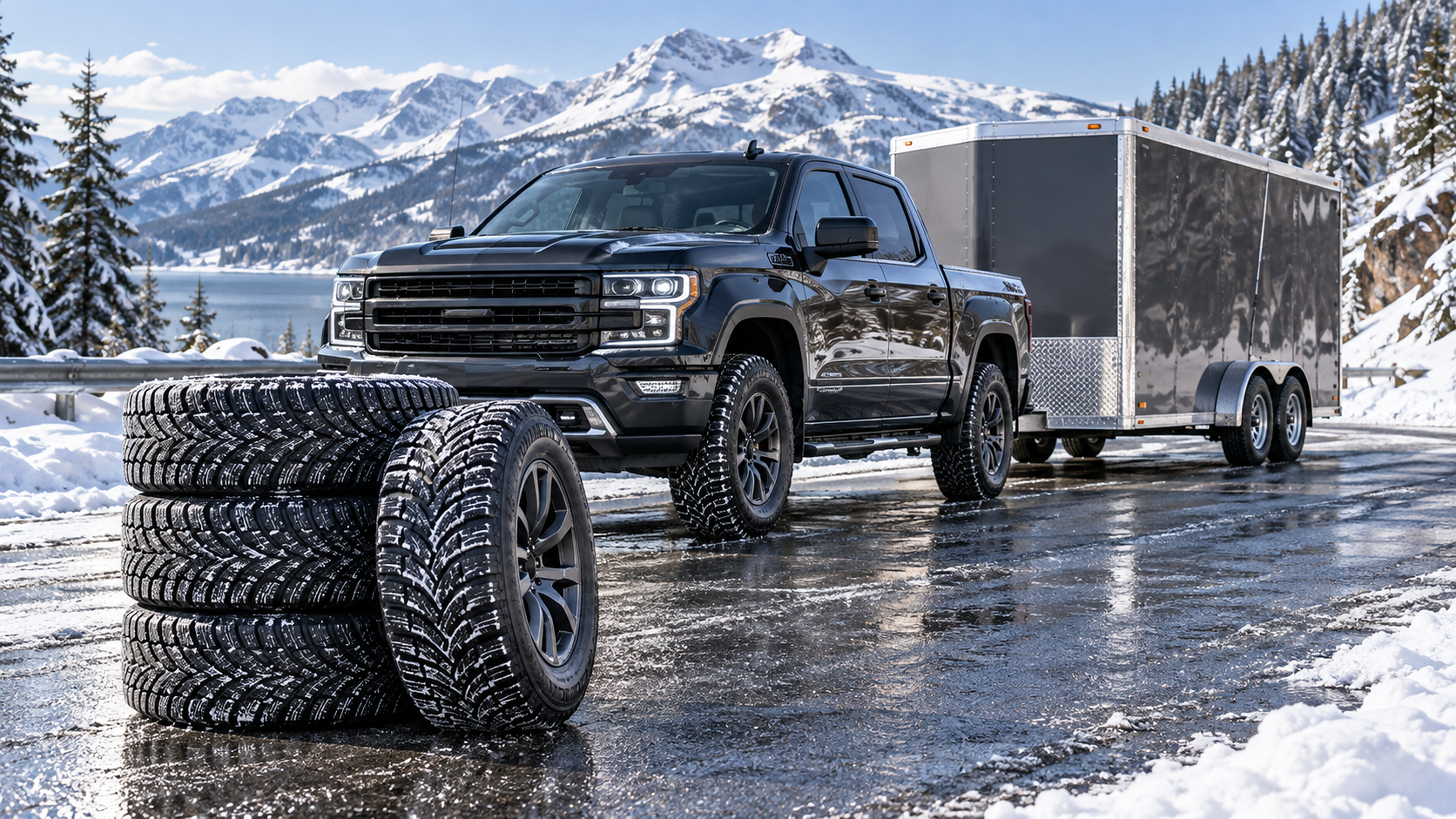
Replacement tires should be chosen around the vehicle’s real workload, not just the size printed on the old sidewall. A tire that feels quiet and efficient on a solo urban commute may be a poor match for a pickup that regularly pulls a trailer. A durable all-terrain tire may offer reassuring toughness but add noise, weight, and wet-road compromises that make little sense for a commuter car. In winter conditions, the difference between an all-season tire and a true winter tire can be more important than the difference between two premium brands.
The starting point is simple: preserve the vehicle’s required load capacity, speed capability, clearance, and wheel compatibility. After that, select the tread category, construction, and performance priorities that fit daily driving, towing, and local winter weather. The best replacement tires are rarely the most aggressive-looking or the highest-rated in one isolated category. They are the ones whose limits match the conditions in which the vehicle is actually used.
Begin with the vehicle placard, not the worn tire
The tire information placard, usually located on the driver-side door jamb, identifies the manufacturer’s original tire size and recommended cold inflation pressure. The owner’s manual may also list approved alternative sizes for different wheel packages. This information matters because the tires currently fitted to a vehicle may not be original specification. A previous owner, tire shop, or wheel upgrade may have changed the size, load index, or tire type.
A tire designation such as 225/60R18 100H contains several decision-critical details:
- 225 is the nominal section width in millimeters.
- 60 is the aspect ratio: sidewall height as a percentage of tire width.
- R18 means radial construction for an 18-inch wheel.
- 100 is the load index, which corresponds to a maximum load rating per tire.
- H is the speed symbol.
Do not replace a tire with one carrying a lower load index than required by the vehicle manufacturer. This is especially important for SUVs, vans, pickups, battery-electric vehicles, and vehicles that carry passengers or cargo near their rated limits. The tire’s maximum load also depends on inflation pressure; a tire cannot safely deliver its rated capacity when it is underinflated.
The speed symbol should generally meet or exceed the original requirement. It is not simply a statement about how fast someone intends to drive. Speed-rated tires are designed and tested for heat resistance and high-speed durability under specified conditions. A lower speed rating may be permitted in some winter-tire applications under local rules and manufacturer guidance, but it should not be treated as a universal cost-saving substitution.
Changing tire size can alter speedometer accuracy, gearing, suspension clearance, steering response, and the calibration of driver-assistance systems. A modest change in overall diameter may seem harmless, but it can create rubbing at full steering lock or under suspension compression. Wider tires are not automatically safer: they may increase dry-road grip in some designs, but can also follow road grooves more strongly, increase rolling resistance, or lose effectiveness in standing water if tread design and pressure are not appropriate.
For daily driving, prioritize wet braking and predictable behavior
Most replacement tires spend the majority of their lives commuting, running errands, and traveling on wet or uneven roads. For that use, the useful question is not “Which tire has the most grip?” but “Which tire remains controlled, quiet, and confidence-inspiring across normal temperatures and changing road surfaces?”
A quality all-season touring tire is often the most balanced choice for passenger cars, crossovers, and SUVs used mainly on paved roads in regions with mild winters. These tires are typically designed for low road noise, stable straight-line tracking, reasonable tread life, and dependable wet performance. They are not identical products; one model may emphasize long wear, another may be tuned for comfort, while another uses a compound and tread pattern aimed at stronger wet braking.
Wet performance deserves particular attention because tire grip declines sharply when tread depth is low or when standing water overwhelms the channels designed to evacuate it. Longitudinal grooves move water away from the center of the contact patch, while lateral grooves and sipes help create edges that work on wet pavement. The visible pattern alone does not tell the whole story. Rubber compound, tread stiffness, internal construction, and wear state all affect wet control.
For a vehicle used mostly in warm conditions, a summer tire can provide sharper steering response and strong dry and wet grip at higher temperatures. Its limitation is cold weather: summer compounds become less flexible as temperatures drop, reducing traction even on dry pavement. A summer tire is not a substitute for a winter tire and should not be relied upon when freezing temperatures, snow, or ice are expected.
Low-profile tires may improve steering feel and visual appearance, but they have practical trade-offs. Their shorter sidewalls provide less protection from pothole impacts, and their ride can be firmer. On rough urban roads, the added risk of wheel damage and impact-related tire failure may outweigh any handling benefit. A slightly taller sidewall, if approved for the vehicle and wheel, often offers a more forgiving daily-driving setup.
Towing changes the tire decision before the trailer is attached
Towing places sustained load and heat into the tires of both the tow vehicle and the trailer. The common mistake is choosing a tire based on its aggressive tread or “truck” appearance while overlooking the actual load rating and inflation requirements. A towing tire must carry the vehicle, passengers, cargo, hitch load, and the dynamic load transfer created by braking, cornering, and road irregularities.
Start with the tow vehicle’s tire placard and the towing information in the owner’s manual. The vehicle’s towing capacity does not mean every tire size or tire construction fitted to that model is equally suitable for every towing situation. Payload, tongue weight, axle ratings, and tire pressure limits can become the real constraint before the published trailer rating is reached.
On pickups and body-on-frame SUVs, replacement tires may be marked P-metric, LT-metric, or with flotation sizing. Passenger-type P-metric tires can provide good ride comfort and may be fully appropriate for light-duty use when they meet the vehicle requirement. LT tires are built for heavier-duty service and are available with higher load ranges, but they are not automatically an upgrade for every vehicle. Their stiffer construction can increase ride harshness and weight, potentially affecting fuel consumption, acceleration, and braking feel when the vehicle is unloaded.
Load range markings such as Load Range C, D, or E are often misunderstood. They do not directly describe the amount of load a tire carries in isolation. The precise load capacity is shown in the tire’s load-and-inflation table and depends on the specific size and inflation pressure. Two tires with the same nominal size can have different capacities. Compare the exact tire specification, not just the letter on the sidewall.
When towing frequently, look for a tire with a load index appropriate to the vehicle’s axle requirements, robust heat management, and stable casing behavior under load. Maintain the recommended cold pressure for the loaded condition specified by the vehicle manufacturer. Do not inflate to the maximum pressure molded on the tire sidewall unless that pressure is specifically required for the actual application; the sidewall figure is the tire’s maximum cold inflation limit, not a universal operating target.
Trailer tires require separate attention. Tires marked ST are designed for trailer service and should not be replaced with passenger-car tires simply because the physical size appears similar. Trailer tires must be selected according to the trailer’s axle loads, wheel rating, required pressure, and speed limitation. A trailer can overload a tire unevenly because of poor cargo distribution, one overloaded axle, or an imbalanced load. Replacing only the tow vehicle’s tires does not solve a weak trailer-tire setup.
Winter capability is defined by temperature and surface, not by a snowflake image alone
Winter tire selection becomes clearer once three conditions are separated: cold dry pavement, packed snow, and ice. All-season tires can be adequate where winters are cool and snow is occasional, roads are cleared promptly, and steep icy routes are uncommon. They are designed as a compromise across a broad temperature range, not as specialists for severe winter traction.
A tire carrying the Three-Peak Mountain Snowflake symbol has met a defined snow-traction performance requirement compared with a reference tire. That marking is more meaningful than the older M+S designation, which describes a tread category but does not by itself confirm the same standardized snow-traction threshold. For repeated snow and freezing-road use, the Three-Peak Mountain Snowflake symbol is a useful minimum reference point.
Even among tires with that symbol, there are meaningful differences. A winter tire uses a cold-flexible rubber compound and dense siping to generate grip on packed snow and cold pavement. It is generally the stronger choice where roads remain below freezing for extended periods, snow accumulation is routine, or ice is a recurring hazard. Its softer compound can wear faster and feel less precise in warm weather, which is why winter tires should normally be removed when seasonal temperatures rise.
An all-weather tire sits between a conventional all-season tire and a dedicated winter tire. Many all-weather tires carry the Three-Peak Mountain Snowflake marking and can be a practical year-round option for drivers who encounter regular cold and light-to-moderate snow but do not want a separate seasonal wheel-and-tire set. The trade-off is that it may not equal a dedicated winter tire on severe ice and deep snow, nor match a touring all-season tire’s warm-weather refinement or tread life.
No non-studded tire should be assumed to provide the same control on glare ice as it does on snow. Ice traction is particularly sensitive to temperature, surface polish, tire compound, tread condition, and driving inputs. In locations where studded tires are legally permitted and conditions justify them, they can improve traction on persistent ice, but they bring road-surface, noise, and legal-use considerations. Local seasonal restrictions must be checked before fitting them.
If winter tires are needed, install a matched set of four whenever possible. Fitting winter tires only to the driven axle can create an imbalance: the vehicle may accelerate better but lose rear or front stability during braking and cornering. Four matching tires give the vehicle’s braking, steering, and stability systems a more consistent foundation.
EVs, hybrids, and heavy crossovers need more than “EV-ready” labeling
Electric vehicles add several tire-selection pressures: higher curb weight, immediate motor torque, and a greater sensitivity to noise because there is less engine sound to mask road noise. The correct replacement tire must meet the vehicle’s specified load index. A tire that is physically the right size but insufficiently rated can run hotter and flex more than intended under the vehicle’s weight.
Rolling resistance affects energy consumption, but it should not be pursued at the expense of wet grip, load capacity, or winter suitability. Tire manufacturers may use EV-specific labeling to indicate emphasis on noise reduction, load capability, wear resistance, or efficiency. The label alone is not a technical standard. Compare the exact load index, speed rating, approved size, warranty terms, and independent consumer test information where available.
High torque can accelerate tread wear when drivers use strong acceleration frequently. Maintaining alignment and proper pressure matters as much as selecting an EV-oriented tire. Uneven shoulder wear, rapid inner-edge wear, or repeated feathering across the tread can point to alignment or suspension issues that a new set of tires will not correct.
Read treadwear promises carefully
Tread-life warranties can be useful when comparing similar products, but they should not be treated as a prediction of how long a tire will last on one vehicle. Actual wear depends on alignment, rotation, inflation, road surface, vehicle weight, driving style, temperature, and whether the tires are used in towing or high-torque service.
Long-wear tires often use compounds and tread designs intended to resist abrasion. That can be valuable for high-mileage driving, but maximum tread life does not automatically mean maximum wet grip late in the tire’s life. Review the tire’s wet-performance information, treadwear warranty conditions, and replacement threshold. For winter use, traction can decline significantly before a tire reaches the legal minimum tread depth because the shallow remaining grooves and sipes cannot manage snow effectively.
Check the manufacturing date code when buying tires, particularly if the price suggests old inventory. The four-digit DOT date code indicates the week and year of manufacture; for example, 2324 means the 23rd week of 2024. Age alone does not determine serviceability, because storage conditions matter, but new replacement tires should not be accepted without knowing when they were made. Follow the vehicle and tire manufacturer’s guidance regarding inspection and age-related replacement.
Do not mix tires casually
Replacing two tires rather than four can be reasonable when the remaining pair has substantial, even tread depth and is the same model or genuinely compatible design. The new pair is commonly fitted to the rear axle to reduce the risk of rear-axle hydroplaning and loss of stability on wet roads, regardless of whether the vehicle is front-, rear-, or all-wheel drive. Vehicle manufacturer guidance should take precedence.
All-wheel-drive systems require additional caution. Significant differences in rolling circumference between tires can place stress on certain driveline systems. The permitted tread-depth variation differs by manufacturer and model. Consult the owner’s manual or a qualified service provider before replacing only one tire on an AWD vehicle. In some cases, shaving a new tire to match the remaining tread depth or replacing all four may be necessary.
Mixing different tire categories—such as installing two winter tires with two all-season tires, or combining a highway tire with an aggressive all-terrain model—can change how the vehicle reacts at the limit. The result may be unpredictable balance during emergency braking or wet cornering. Matching all four tires is the cleanest approach when safety and consistent handling are priorities.
A practical final check before purchase
Before committing to replacement tires, verify the approved size, load index, speed rating, and pressure specification against the vehicle placard and manual. Then match the tire category to the toughest condition that occurs often enough to matter: long wet commutes, loaded towing, repeated sub-freezing roads, pothole exposure, or high vehicle mass. A tire chosen for a rare extreme condition may impose compromises every day; a tire chosen only for ideal weather may leave too little safety margin when conditions change.
Fitment, mounting quality, balancing, valve condition, alignment, and the first pressure check after installation are part of the tire decision, not separate details. The most suitable replacement tires can only perform as intended when they are correctly installed, inflated cold, rotated on schedule, and inspected for uneven wear. That combination—not sidewall styling or a single headline claim—determines whether the new set delivers the control, durability, comfort, and seasonal security the vehicle requires.