Industry Portal
Related News
- 00
0000-00
Precision Forging for Aluminum Wheels: Alloy Selection and Fatigue Performance - 00
0000-00
NEV Industry Standards in China: Which Battery Safety Tests Are Required? - 00
0000-00
Automotive Exterior Lighting Systems: Lamp Types, Functions, and Placement - 00
0000-00
Choosing an Electric SUV Sunroof: Key Fit, Safety, and Weather-Sealing Factors - 00
0000-00
Pop-Up Automotive Sunroof Systems: Key Design Factors for Vehicle Integration
How to Select High-Performance Tires for Track Use, Wet Grip, and Daily Driving
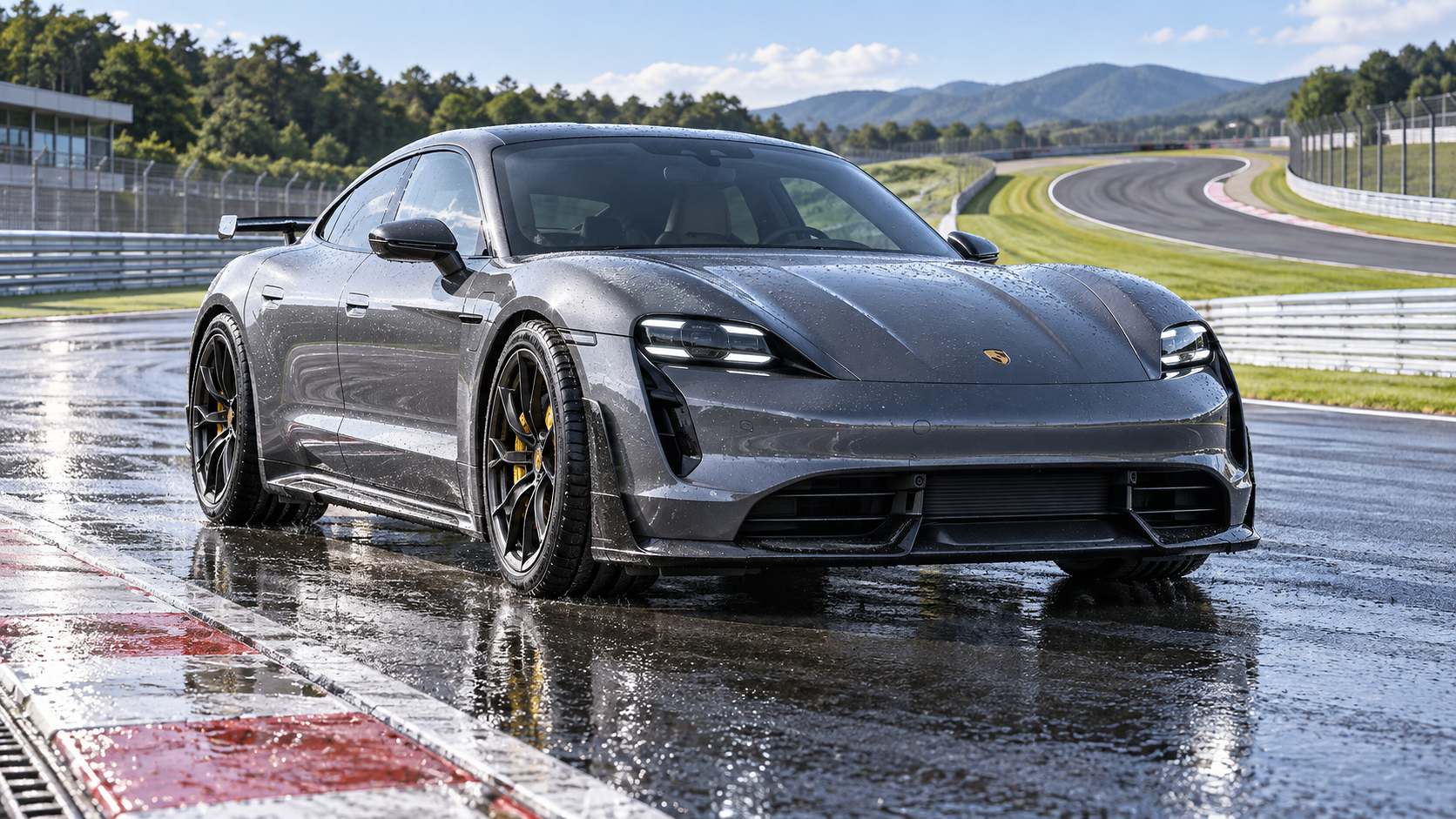
A fast lap, a rain-soaked commute, and a quiet Sunday drive ask very different things from the same four contact patches. That is why selecting high-performance tires automotive drivers can live with is rarely about choosing the stickiest-looking tread or the most aggressive sidewall. The right tire has to turn steering input into predictable response, manage braking and acceleration loads, clear water before it can cause hydroplaning, and still remain tolerable on ordinary roads.
For owners of performance cars, SUVs, and electric vehicles, the decision has become more complicated. Modern EVs add instant torque, substantial curb weight, and a greater sensitivity to road noise and rolling resistance. Meanwhile, a tire that feels exceptional for ten minutes on a warm circuit may become noisy, nervous, or rapidly worn during daily use. The best choice starts with an honest answer: where will the car spend most of its miles?
Begin with the driving reality, not the tire category
“Performance tire” is a broad label. It can describe a road-focused ultra-high-performance summer tire, a track-day tire with limited wet-road margins, or a premium all-season model engineered for responsive handling. Before comparing brands, create a realistic split between your three main use cases:
- Daily driving: city roads, highways, potholes, cold mornings, passenger comfort, and long tread life.
- Wet conditions: frequent rain, standing water, seasonal temperature swings, and the need for stable emergency braking.
- Track use: repeated high-load corners, heat buildup, hard braking zones, and the need for consistent feedback over multiple laps.
A driver who attends two casual track days per year but commutes through heavy rain should not normally choose a near-racing tire as a default. Conversely, someone developing lap times at a dry circuit may find a comfort-oriented all-season tire too vague and heat-sensitive. There is no universal “best” option—only a tire whose compromises match your actual road and track calendar.
The first non-negotiable: fitment and vehicle approval
Start with the tire size, load index, speed rating, and any manufacturer-specific marking listed on the vehicle placard, owner’s manual, or current approved fitment guide. Diameter, width, aspect ratio, and construction are part of a system that includes wheel width, suspension geometry, braking calibration, and electronic stability control.
Changing size can alter steering weight, clearance, speedometer accuracy, ride behavior, and the balance between the front and rear axle. A wider tire is not automatically faster or safer. It may improve the available contact patch under some conditions, but it can also increase tramlining, add weight, reduce wet-water evacuation efficiency, or fit poorly on the chosen wheel.
Load index deserves special attention for battery-electric vehicles and performance SUVs. Their mass can place substantial demand on the tire during cornering, braking, and impacts. Do not downgrade load capacity simply because a lower-rated tire is available in the same nominal size. Likewise, do not assume an “EV” marking alone guarantees the best answer; it should be evaluated alongside load capability, wet grip, noise, and the driving style you expect.
Read the tire as a design, not just a label
Two tires with similar dimensions and speed ratings can behave very differently because their tread pattern, compound chemistry, belt package, and sidewall construction are tuned for different priorities.
Compound: the grip-and-life trade-off
High-grip compounds are designed to conform to road texture and generate friction under load. They can deliver striking dry braking and cornering confidence, especially once warm. The compromise is usually faster wear, greater sensitivity to temperature, and sometimes a more noticeable decline as the tread becomes shallow.
A road-biased ultra-high-performance tire generally uses a compound designed to work across a wider temperature window. A track-focused tire may need more heat before it feels alive, then wear quickly if used for long highway commutes or poorly managed sessions. For mixed use, a broad operating range often matters more than chasing the absolute peak grip figure.
Tread pattern: where wet confidence is won or lost
In rain, the tire must move water away from the contact patch quickly enough to keep rubber connected to the road. Circumferential grooves, lateral channels, sipes, and void space all contribute. A tire with large, uninterrupted outer shoulder blocks may feel precise in dry corners, but its wet behavior depends heavily on the grooves and channels working elsewhere in the pattern.
For drivers who regularly encounter deep water, look beyond marketing language such as “wet performance.” Review independent wet braking and wet handling tests for the exact tire model and size where available. Also remember that wet grip changes dramatically with remaining tread depth. A tire that is legal may no longer provide the wet safety margin you expect.
Construction: the source of steering character
Stiffer sidewalls and reinforced belt packages can make turn-in feel immediate and reduce movement under heavy load. This is valuable on track, where vague response makes it difficult to place the car accurately. On broken pavement, though, a very stiff construction can transmit harsh impacts and make the vehicle feel restless.
The key question is not whether a tire has a stiff sidewall, but whether its response suits the vehicle and road. A lightweight sports coupe may welcome a direct, firm tire. A heavy electric crossover may need a construction that balances support with compliance, preserving stability without amplifying cabin noise or impact harshness.
Track tires, street tires, and the difficult middle ground
For many enthusiasts, a road-focused ultra-high-performance summer tire is the most sensible single-set solution. It typically provides strong dry grip, credible wet braking, responsive steering, and a level of refinement that does not punish every commute. It is not the fastest choice for serious time-attack use, but it leaves more room for changing weather and ordinary life.
A dedicated second wheel-and-tire set becomes increasingly sensible when track days become frequent. It separates the demands of lap consistency from the needs of wet commuting, protects the daily set from heat cycling and accelerated wear, and gives the driver more freedom to choose a specialized compound. Storage, transport, and wheel cost are real considerations, but so is the peace of mind of not driving home in rain on a tire chosen only for dry apexes.
Wet grip is more than a tread pattern
Drivers often look at wide grooves and assume they have solved the rain problem. Water evacuation matters, but wet performance is also shaped by compound formulation, tread depth, tire temperature, inflation pressure, vehicle weight distribution, and road surface texture.
Choose tires with a proven wet reputation if your routes include motorways with pooled water, coastal weather, or frequent thunderstorms. Then protect that capability. Check pressures when the tires are cold, inspect for uneven wear, and replace tires before worn channels turn a familiar wet road into a white-knuckle experience. No electronic safety system can restore grip that the tire no longer has.
Be especially cautious with heavily worn performance tires. As the tread blocks become shallower, dry response may still feel acceptable, which can hide the loss of hydroplaning resistance. The first severe storm is a poor time to discover that a tire’s remaining life is not the same as its remaining safety margin.
For track use, heat management matters as much as peak grip
A track session asks tires to absorb energy continuously. Braking, acceleration, and lateral loading raise internal temperatures; if heat exceeds the tire’s useful operating range, the surface can become greasy, the structure can feel unstable, and wear can accelerate. A tire that produces one spectacular lap but fades after several laps may not be the better track choice.
Check tire pressures before and after sessions, but do not copy another driver’s numbers without considering vehicle weight, ambient temperature, alignment, pace, and tire model. Follow the tire manufacturer’s guidance and adjust methodically. Abrupt pressure changes can mask a setup issue or create uneven wear rather than solve it.
Inspect shoulders and tread after every event. Feathering, tearing, blistering, exposed cords, or unusually worn inner edges should not be ignored. Some patterns point to alignment or suspension concerns; others reflect overheating or insufficient cooling time between hard runs. Tires are not merely consumables on track—they are feedback tools.
EV and performance SUV owners should look beyond rolling resistance
Efficiency matters, but a low-rolling-resistance choice that weakens braking confidence or steering stability is not automatically the right tire for a powerful, heavy vehicle. High-performance tires automotive buyers select for EVs should balance energy use with load rating, torque durability, acoustic comfort, and predictable wet behavior.
Instant electric torque can accelerate wear, particularly on the driven axle. Regenerative braking also changes how forces are distributed through the tire, while the quiet powertrain makes tread roar more noticeable inside the cabin. Look for models designed to manage higher vehicle mass and noise without assuming that every EV-specific tire is intended for demanding track use.
Rotation intervals, alignment checks, and careful throttle use have an outsized effect on tire life in torque-rich vehicles. If the car has staggered wheels, rotation may not be possible, making pressure discipline and alignment even more important.
A practical shortlisting method before you buy
- Confirm the approved size and load requirement. Treat these as the baseline, not an optional detail.
- Write down your annual driving mix. Include commuting, rain exposure, highway mileage, track days, and cold-weather use.
- Rank three priorities. For example: wet braking, dry steering precision, and low noise. Accept that a single tire cannot lead every category.
- Compare independent tests in your tire size. A result in one dimension may not translate perfectly to another.
- Check production date and storage condition. Fresh, properly stored tires matter, especially for specialized compounds.
- Budget for installation and maintenance. Proper mounting, balancing, alignment, and pressure monitoring are part of tire performance.
Common mistakes that make good tires feel disappointing
The most common error is buying for an imagined driving life. An owner may picture regular circuit sessions but spend nearly every mile in traffic and rain. Another may choose a long-life touring tire for a car that is driven enthusiastically through mountain roads, then wonder why the steering feels muted. Match the tire to the miles you truly drive.
Mixing different tire models across axles can also alter balance in ways that are hard to predict, particularly in wet conditions. If replacement of all four is not possible, follow the vehicle and tire manufacturer’s recommendations, maintain matching tires on each axle, and understand how the change may affect handling.
Finally, do not treat tire pressure as a set-and-forget number. Seasonal temperature changes, track activity, slow leaks, and normal diffusion all affect it. The placard pressure is the correct everyday reference point unless the vehicle manufacturer or tire supplier provides a specific alternative for your application.
The right tire should make the car easier to trust
The ideal choice does not necessarily feel dramatic at parking-lot speed. Its value appears when a wet bend tightens unexpectedly, when the brakes are applied hard on a fast road, or when a long track session asks for the same clear response lap after lap. It gives the driver information rather than surprises.
At AEVS, high-performance tire evaluation is viewed as part of the wider vehicle dynamics picture: wheel strength and mass, brake airflow, vehicle weight, sensor-assisted safety systems, and the changing demands of electrified mobility all influence what a tire must do. For consumers, the most useful decision is simpler: select the tire that supports your real climate, real vehicle, and real driving habits—then maintain it carefully enough to keep delivering the performance you paid for.