
Industry Portal
Related News
- 00
0000-00
Precision Forging for Aluminum Wheels: Alloy Selection and Fatigue Performance - 00
0000-00
NEV Industry Standards in China: Which Battery Safety Tests Are Required? - 00
0000-00
Automotive Exterior Lighting Systems: Lamp Types, Functions, and Placement - 00
0000-00
Choosing an Electric SUV Sunroof: Key Fit, Safety, and Weather-Sealing Factors - 00
0000-00
Pop-Up Automotive Sunroof Systems: Key Design Factors for Vehicle Integration
North American Vehicle Aesthetics: Trends Shaping Exterior Design and Materials
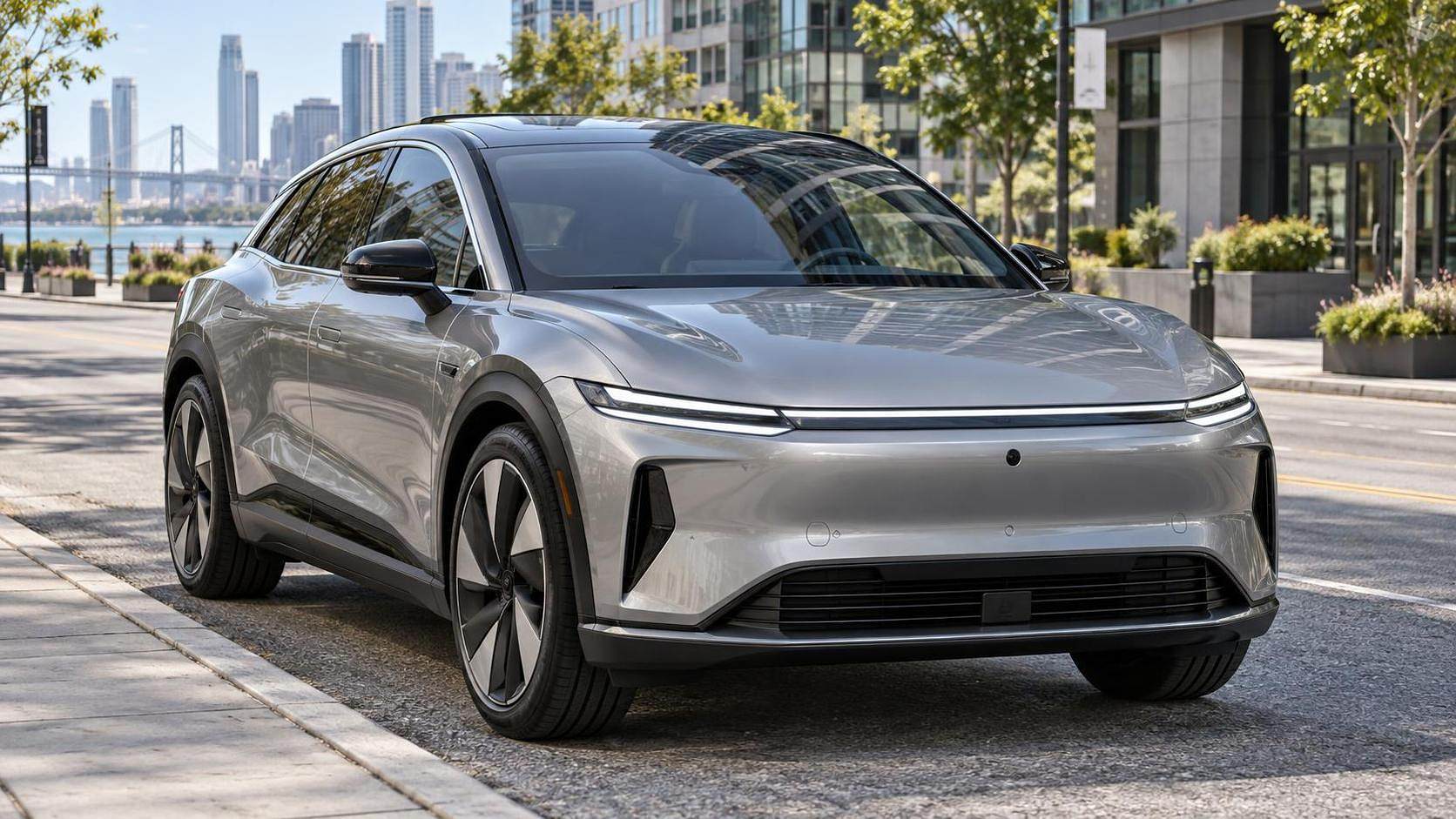
North American vehicle aesthetics is no longer a styling conversation that begins with color, grille shape, and wheel design. Exterior decisions now carry measurable consequences for electric-vehicle range, repairability, regulatory fit, sensor performance, cabin comfort, and brand recognition. A front fascia that looks clean but blocks radar coverage, a panoramic roof that adds heat load, or a large wheel package that compromises ride and tire availability can create problems long after a vehicle reaches the market.
The most durable trend is the convergence of appearance and function. Buyers still respond to distinctive lighting signatures, confident proportions, and premium-looking materials, but the exterior must also work as an aerodynamic surface, a sensor platform, a thermal-management boundary, and a visible statement of quality. Suppliers that treat these requirements as separate workstreams are more likely to encounter late engineering changes, cost pressure, and inconsistent vehicle performance.
Clean Surfaces Are Becoming More Technically Demanding
North American vehicle design is moving toward smoother body sides, reduced shut-line clutter, flush door handles, covered underbodies, and more integrated front-end surfaces. The visual objective is straightforward: an exterior should look intentional, modern, and less mechanically fragmented. The engineering objective is more complex. Every exposed edge, opening, wheel design, mirror housing, and roof feature can influence airflow, wind noise, water management, and contamination.
This matters most for battery-electric vehicles, where a visually simple silhouette often supports efficiency goals. Yet “smooth” should not be mistaken for automatically aerodynamic. A low-drag design depends on how air behaves around the entire vehicle, including the wheels, tire sidewalls, cooling openings, rear separation zone, and underfloor. A decorative wheel insert may improve the visual impression of an aero wheel, for example, but its actual contribution depends on brake cooling needs, wheel geometry, and the airflow path around the tire.
For vehicle programs serving North America, exterior durability must remain part of the visual brief. Wide temperature swings, road debris, winter salt, intense sun exposure, frequent automated car washes, and long highway use place demands on coatings, seals, trim retention, and surface finishes. A high-gloss black applique can create a premium visual contrast in the studio, but it may be a poor choice if the expected use cycle makes scratching, fading, and water spotting highly visible. The correct question is not whether a finish looks premium on launch day. It is whether it continues to look appropriate after years of ordinary use.
Lighting Has Moved From Decoration to the Vehicle Interface
LED lighting has become one of the strongest identifiers in vehicle aesthetics North America, particularly at the front and rear of EVs and premium utility vehicles. Thin daytime running lights, full-width rear signatures, illuminated badges, and animated welcome sequences make a vehicle recognizable at a distance. They also create a risk: lighting can become a costly visual feature with limited practical value if it is not integrated with the vehicle’s electrical architecture, thermal design, service strategy, and legal operating requirements.
The more valuable direction is functional intelligence. Advanced headlamp assemblies can support adaptive beam behavior, glare reduction, and more precise control of illuminated areas where the vehicle architecture and applicable requirements allow it. These systems require more than capable LEDs. They depend on optics, heat dissipation, cameras or other sensing inputs, control logic, calibration, and reliable sealing. A visually narrow lamp can be appealing, but a smaller package leaves less room for thermal control and service access. That tradeoff should be addressed early, not after styling surfaces have been frozen.
Rear lighting deserves the same scrutiny. A full-width light bar may improve brand continuity, but it can introduce additional joining points, sealing interfaces, and repair costs. Designs with modular light elements may offer a more manageable replacement path after minor collisions. Fully integrated assemblies can produce a cleaner rear graphic, yet they may turn a localized impact into a larger repair event. The visual decision should therefore include collision exposure and parts strategy, especially for high-volume models and fleets.
Sensor Integration Is Changing the Meaning of a “Clean” Front End
The familiar grille is losing its former role as an obvious cooling intake, especially on electric vehicles. In its place, designers are using body-colored panels, closed surfaces, lower intakes, and illuminated graphic elements. At the same time, camera, radar, ultrasonic, and lighting hardware require protected locations with predictable fields of view. The resulting tension is one of the central design challenges in the market: conceal technology without degrading its performance or making repair unnecessarily difficult.
A sensor cover is not simply a cosmetic panel. Its material, thickness, paint treatment, curvature, and mounting position can affect sensor behavior. A location that appears ideal from a styling perspective may be prone to ice, mud, road spray, stone impacts, or reflections. Recessing a camera can protect it from damage but may make it more susceptible to dirt accumulation. Positioning a radar unit behind a painted fascia can preserve a seamless appearance, but the fascia material and coating system must be compatible with the sensor’s operating needs.
These decisions also affect service operations. If an impact repair requires removal of a bumper cover, grille module, camera, radar bracket, and lighting trim, recalibration may become part of the repair process. The hardware cost is only one part of the lifecycle equation. Accessibility, mounting repeatability, diagnostic support, and replacement-part availability can matter just as much. A clean exterior is valuable when it is engineered as a serviceable system, not when components are merely hidden.
Material Choices Are Being Judged on More Than Weight
Lightweighting remains important, but the material conversation has broadened. Aluminum closures, alloy wheels, engineered polymers, composite trim, glazing systems, and coated decorative surfaces are being selected for a mix of mass, stiffness, corrosion behavior, appearance, manufacturability, and repair performance. The most suitable material is rarely the lightest available option in isolation.
Aluminum alloy wheels illustrate the tradeoff clearly. Their visual effect is immediate: wheel design strongly influences whether a vehicle reads as sporty, capable, efficient, or premium. On an EV, wheel selection also affects unsprung mass, aerodynamic behavior, brake-airflow management, impact resistance, and tire fitment. A highly open spoke pattern may communicate performance and reveal larger brake hardware, while a more enclosed design can support an efficiency-oriented exterior. Neither approach is universally better. The vehicle’s mass, target range, cooling demand, ride objective, and intended road conditions determine whether the aesthetic choice is aligned with the product.
Wheel size is another area where visual preference can override system thinking. Larger diameters and lower-profile tires can strengthen showroom appeal, but they may increase vulnerability to pothole damage, reduce ride compliance, raise replacement expense, and narrow tire availability. This is particularly relevant for heavier electric SUVs and pickups. A wheel-and-tire package should be assessed as a ground-contact system rather than a styling accessory. Load capacity, noise behavior, rolling resistance, wet grip, winter suitability, and durability under high instantaneous torque all belong in the evaluation.
Exterior plastics and decorative materials face a similar challenge. Textured lower cladding may hide minor scuffs and support a rugged visual identity. Painted surfaces can look more refined but can make low-speed damage more conspicuous and costly. Bright finishes, dark gloss elements, and metallic trim can differentiate a vehicle, yet each finish introduces distinct risks related to UV exposure, cleaning chemicals, scratch visibility, corrosion interfaces, or supplier consistency. Matching materials to expected ownership conditions is more useful than applying one “premium” finish across every trim level.
Panoramic Roofs Need a Whole-Cabin Assessment
Large glass roofs and electrically controlled roof systems continue to support the open, spacious cabin experience associated with modern vehicles. Their value is strongest where they improve perceived interior room and help distinguish a higher trim level without changing the exterior footprint. However, a panoramic roof affects more than the view upward.
Solar load, acoustic behavior, structural integration, water management, shade performance, and center-of-gravity considerations should be reviewed together. Electrochromic dimming can reduce reliance on a conventional shade in some designs and create a more advanced user experience, but the system also adds control, electrical, and durability considerations. A roof solution that fits a mild-climate premium vehicle may not produce the same owner satisfaction in regions with strong summer heat, severe winter conditions, or high expectations for cabin quietness.
Noise, vibration, and harshness performance is especially easy to underestimate. Wind noise around roof openings, seal compression over time, and body movement on uneven roads can influence perceived quality more than a roof’s initial appearance. In this category, the best visual result is one that remains quiet, dry, and stable throughout normal use.
Exterior Design Is Splitting Into Distinct Market Personalities
North America does not reward a single exterior formula. The market contains distinct visual and functional expectations across urban EVs, premium crossovers, full-size pickups, off-road vehicles, performance cars, and commercial fleets. The design language should respond to the operating context rather than follow a global trend without adaptation.
The rise of customization creates a second market layer. Custom forged wheels, replacement tires, lighting upgrades, protective films, and exterior trim packages can generate aftermarket demand, particularly when owners want visual differentiation without changing the vehicle’s core architecture. This opportunity is real, but compatibility is the boundary. Aftermarket components must preserve wheel load suitability, tire clearance, sensor visibility, lighting behavior, and the intended use of the vehicle. Styling upgrades that interfere with these functions can erode the value they were meant to add.
What to Compare Before Approving an Exterior Direction
Exterior programs are often reviewed component by component: wheels, lamps, roof, fascia, trim, and sensors. That approach is useful for supplier sourcing, but it can hide interactions between systems. A more reliable comparison starts by establishing the vehicle’s non-negotiable operating conditions, then testing each aesthetic proposal against them.
- Define the use case: Separate urban commuting, highway travel, towing, winter driving, off-road exposure, and fleet duty. These conditions change the acceptable balance between appearance, protection, and efficiency.
- Review the full lifecycle: Include cleaning, cosmetic wear, minor collision repair, calibration needs, replacement parts, and finish durability rather than focusing only on launch cost.
- Examine interfaces: Check how wheels influence brake cooling, how roof systems affect cabin noise and heat, and how painted panels interact with sensors and lighting hardware.
- Assess supplier capability beyond the part: Consistent material quality, tooling control, optical performance, sealing expertise, and engineering support often determine whether a concept survives production realities.
- Keep compliance in the design loop: Lighting, visibility, tire labeling, impact protection, and sensing functions should be reviewed as design inputs, not as a late-stage approval exercise.
A common mistake is to treat an attractive prototype as proof of a viable production solution. A prototype can demonstrate proportion and visual intent, but it does not automatically prove paint durability, thermal stability, sensor transparency, repairability, or repeatable assembly. The earlier these questions are answered, the less likely a program is to compromise either aesthetics or engineering at the end.
Where Exterior Intelligence Adds Commercial Value
Market decisions benefit from information that crosses conventional component boundaries. Wheel geometry cannot be assessed only as a styling trend when it affects airflow and tire choice. Smart headlamps cannot be evaluated only by light output when optics, heat, software, and sensor inputs determine real-world behavior. A roof system cannot be judged only by visible glass area when comfort, noise, and sealing shape owner perception.
This is the rationale behind exterior and vision intelligence platforms such as AEVS, which connect lightweight components, high-performance tires, smart optical systems, and body sensing technologies. For sourcing and product planning, the useful output is not a catalogue of individual innovations. It is a clearer view of where material availability, aerodynamic requirements, optical complexity, and service demands may intersect.
The next generation of North American vehicle exteriors will be defined by disciplined integration. The strongest designs will still be recognizable from across a parking lot, but their commercial value will come from performing well in weather, traffic, repair networks, and daily ownership. Visual distinction remains essential. It simply has to earn its place as part of a complete vehicle system.