
Industry Portal
Related News
- 00
0000-00
Natural Rubber Prices Fluctuate as Chinese Tire Buying Provides Support - 00
0000-00
Vehicle Lightweighting Materials: Comparing Steel, Aluminum and Composites - 00
0000-00
Vehicle Lightweighting Solutions: Balancing Weight, Safety and Performance - 00
0000-00
Michelin Showcases 75% Renewable-Material Tire and Touch Intelligence at CIIE - 00
0000-00
Choosing an Electric Sunroof Systems Manufacturer: Key Supplier Criteria
Choosing an Electric SUV Sunroof: Key Fit, Safety, and Weather-Sealing Factors
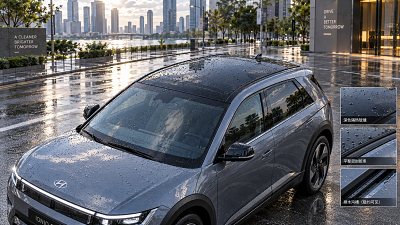
An electric sunroof can make an SUV cabin feel materially brighter and less enclosed, but it is not a simple comfort option, especially on an EV. The right choice depends first on whether the roof system was engineered for that vehicle’s body structure, glazing load, drainage path, and climate use. A large glass panel that looks impressive in a showroom can become a source of cabin heat, wind noise, water ingress, or expensive repair work if those details are weak.
For most buyers, the practical answer is straightforward: choose a factory-integrated electric sunroof when possible, assess the specific roof configuration rather than the feature name, and treat aftermarket installation on a modern SUV or EV as a higher-risk decision. The distinction matters because the roof is no longer just a painted panel. It may contain curtain airbags, roof cross-members, wiring harnesses, antennas, interior lighting, cameras, sensors, and structural reinforcement designed around the original opening.
Start with the roof design, not the size of the glass
When comparing an electric sunroof for SUVs, buyers are often drawn first to the visible opening. A larger panoramic panel can improve daylight and rear-passenger comfort, while a conventional tilt-and-slide unit offers more direct ventilation. Neither format is automatically better. The more useful question is whether the system fits the vehicle’s intended use and roof architecture.
A factory sunroof is usually developed alongside the roof frame, headliner, seals, drains, and electrical controls. That does not make every factory design trouble-free, but it gives the system a much better chance of working as a whole. The manufacturer has had the opportunity to account for glass weight, body flex, opening geometry, airbag deployment zones, and the way water is routed away from the cabin.
An aftermarket installation changes that equation. Cutting a roof opening can remove material that contributes to roof stiffness. On vehicles with side-curtain airbags, overhead wiring, or roof-mounted sensor hardware, the job also requires precise knowledge of what sits above the headliner. A competent installer may be able to assess feasibility, but “it fits the roof” is not enough evidence that the modification is appropriate.
Before selecting a vehicle or considering a retrofit, check these points:
- Whether the sunroof is factory-installed, dealer-installed, or an aftermarket conversion.
- Whether the selected trim retains the same curtain-airbag arrangement and roof structure as versions without the sunroof.
- Whether a panoramic fixed glass roof, opening panoramic roof, or smaller tilt-and-slide roof best matches how often ventilation will actually be used.
- Whether roof rails, roof boxes, crossbars, or other accessories have restrictions associated with the glass roof.
- Whether the vehicle documentation sets any limits on cleaning, maintenance, repair, or roof loading.
A fixed glass roof and an opening sunroof should also be evaluated separately. A fixed panel can offer light and outward visibility with fewer moving parts. An opening system adds airflow and usability, but also adds tracks, cables, seals, drain channels, and a motorized mechanism. Buyers who value daylight more than open-air driving may find that a fixed or electrochromic glass roof is the lower-maintenance compromise.
For EVs, thermal performance has a direct comfort cost
Glass above the occupants changes the cabin’s thermal load. In warm, sunny conditions, a large roof panel can allow substantial solar energy into the cabin. The HVAC system then has to remove more heat to maintain a comfortable temperature. In an electric SUV, that demand can affect available driving range, particularly during repeated short trips, parking in direct sun, or long journeys in hot weather.
That does not mean a panoramic roof is unsuitable for an EV. It means the glazing specification deserves as much attention as the opening mechanism. Dark-tinted glass may reduce glare, but tint alone does not describe how well a panel manages solar heat. Buyers should look for clear information about the roof glass construction and any heat-rejection treatment, rather than judging performance by how dark the glass appears from outside.
A power sunshade is equally important. It creates an additional barrier between the glass and cabin, improves perceived comfort when parked in sunlight, and gives occupants a simple way to manage glare. On a large panoramic roof, assess whether the shade covers the full glazed area, whether it closes smoothly, and whether it remains taut over time. A thin or poorly fitted shade can rattle or allow distracting light gaps around the edges.
Electrochromic or switchable glazing can be appealing because it lets occupants adjust roof transparency without deploying a conventional shade. Its benefit depends on the implementation. Dimming glass can improve glare control and visual comfort, but it should not be assumed to replace every function of a physical sunshade. In intense heat, buyers should understand how the roof manages solar load when darkened, how quickly the system changes state, and what happens if the electrical function is unavailable.
Cold weather presents a different set of conditions. Glass panels can feel colder than a metal roof, and condensation may be more noticeable when the cabin is humid. A well-designed roof system uses appropriate glazing, insulation around the frame, and seals that remain flexible through temperature changes. The important test is not whether the roof looks flush on a mild day, but whether it opens, closes, and seals consistently after seasonal temperature swings.
Water resistance is a system, not a promise made by the seal
Many buyers assume an electric sunroof is watertight because its rubber perimeter seal sits visibly against the glass. In most designs, that seal is only part of the water-management strategy. During rain or washing, a controlled amount of water may enter the outer channel around the roof opening. From there, the cassette and drain tubes are intended to guide it down through the body and out beneath the vehicle.
This is why drainage deserves attention even when the roof closes tightly. If drain inlets become blocked with dust, leaves, wax residue, or debris, water can rise inside the channel and find its way into the headliner, pillars, footwells, or electronic components. A leak may appear far from the roof opening, making diagnosis more difficult than many owners expect.
During a vehicle inspection or test drive, look for signs that the roof’s water-management system has already been compromised:
- Staining, sagging, or a damp odor around the headliner and A-pillars.
- Moisture under floor mats or unexplained fogging inside the windows.
- Water marks near overhead controls, vanity lights, or pillar trim.
- Rust, debris buildup, or damaged trim around the roof aperture.
- Evidence that sealant has been applied heavily around the exterior edge, which can indicate an attempt to mask an unresolved leak.
For a new vehicle, ask the dealer to demonstrate the roof’s opening, closing, tilt, and shade functions before delivery. For a used SUV, operate the system more than once and inspect the roof channels when it is safe to do so. A roof that moves normally for one cycle may still have worn guides, fraying cables, or intermittent motor behavior.
Maintenance should remain simple and specific. Keep the visible tracks and channels free of loose debris, follow the vehicle manual for approved cleaning methods, and avoid applying random lubricants or silicone products to seals and mechanisms. Some products attract dirt, interfere with materials, or migrate onto glass and headliner surfaces. If drainage is suspected, a professional inspection is preferable to probing drain tubes aggressively, since a displaced or damaged tube can create the leak it was meant to solve.
Noise and movement reveal build quality quickly
SUV owners often notice sunroof quality most clearly at highway speed. Wind noise, buffeting, rattles, and body movement can make an otherwise premium cabin feel less refined. The roof panel is exposed to airflow over a broad, elevated vehicle shape, and a panoramic opening increases the area that must remain stable and quiet.
During a test drive, check the roof in several conditions rather than only opening it while parked. With the roof closed, listen for a distinct whistle around the front edge at higher speeds. Travel over uneven pavement and note whether the glass, shade, or headliner produces clicking or creaking sounds. These noises may come from dry seals, track tolerances, loose trim, or body flex around the opening. Some can be corrected; others may recur because of the underlying design.
With the roof open, expect some wind noise, but pay attention to buffeting. Buffeting is the low-frequency pressure pulsing that can make conversation uncomfortable with side windows closed. Many systems use a pop-up wind deflector to reduce it. Test the roof at ordinary road speeds, not just at a slow parking-lot crawl. Also try different combinations of roof position and side-window opening. A system that is pleasant at a small vent position may become intrusive when fully open.
The sunshade matters here as well. A powered shade should move at a steady speed without hesitation, waviness, scraping, or a strained motor sound. Since the shade is used frequently for heat and glare management, a weak mechanism can be more inconvenient in daily ownership than an occasional issue with the glass panel itself.
Safety questions go beyond tempered glass
Automotive roof glazing is engineered for impact resistance and occupant protection, but buyers should not reduce safety assessment to a single phrase such as “tempered glass” or “laminated glass.” The complete design includes the glass construction, frame retention, roof stiffness, anti-pinch function, electrical controls, and the way the roof works with airbags.
For an opening electric sunroof, verify that the closing function has anti-pinch protection and that it reverses or stops when resistance is detected. This feature is particularly relevant for families with children, though it should never be treated as a substitute for supervision. Ask how the roof can be closed if the vehicle’s primary electrical controls are unavailable, and consult the owner documentation before attempting any manual override procedure.
Roof strength should be considered in context. A sunroof opening necessarily changes the roof panel construction, but factory vehicles are engineered to meet applicable safety requirements with their installed equipment. The concern rises sharply when a roof is modified after production, when the vehicle has unrepaired collision damage, or when a used SUV shows evidence of prior roof work. Misaligned glass, uneven panel gaps, disturbed headliner trim, or a non-original seal can all justify a closer inspection.
Do not overlook rollover and rescue considerations. In a severe crash, the behavior of the roof involves the full body structure and restraint system, not the glass alone. Any repair affecting roof rails, pillars, headliner components, curtain airbags, or roof-mounted wiring should be completed using vehicle-specific procedures. This is a poor area for cosmetic shortcuts.
Match the roof to how the SUV will actually be used
A large opening roof can be worthwhile for drivers who regularly carry rear passengers, value natural light, or use mild-weather ventilation. It may be less compelling for an SUV that spends most of its time parked outdoors in intense sun, travels frequently on dusty roads, carries roof cargo, or is expected to deliver the quietest possible highway cabin.
Buyers in wet climates should prioritize drainage design, maintenance access, and warranty clarity. Those in hot climates should put solar control, shade coverage, and cabin preconditioning ahead of the visual appeal of a larger glass area. For cold regions, smooth operation after freezing conditions and the quality of perimeter seals deserve close attention. Drivers who regularly use a roof box should confirm compatibility before choosing a vehicle, because roof load guidance can differ by configuration.
The best purchasing decision is often made during a careful inspection rather than from a specification sheet. Open and close the roof repeatedly. Sit in both rows with the shade open and closed. Drive at speed with the roof shut and partly open. Inspect the surrounding trim, ask what maintenance is expected, and read the relevant warranty exclusions. When those details are sound, an electric sunroof can add useful comfort to an SUV without becoming a recurring source of noise, heat, or water-related concern.
Have questions about this sector analysis, or seeking best practices specific to your niche? Drop us a line below and let the senior consultants at AEVS assist you.
Related News
 Panoramic SunroofsChoosing an Electric Sunroof Systems Manufacturer: Key Supplier CriteriaChoosing an electric sunroof systems manufacturer? Compare engineering, validation, quality, delivery and total costs to reduce sourcing risk.MORE+
 Panoramic SunroofsAutomotive Sunroof Systems: How OEMs Can Evaluate Supplier Launch ReadinessAutomotive sunroof systems OEM buyers: discover how to verify supplier validation, capacity, and production readiness to reduce launch risk and avoid hidden costs.MORE+
 Panoramic SunroofsFuyao Glass Granted Patent for Intelligent Sunroof Safety Response DeviceFuyao Glass secures a patent for an intelligent sunroof safety response device. Explore its emergency escape guidance concept and potential implications for automotive sourcing.MORE+
 Panoramic SunroofsChoosing an Electric SUV Sunroof: Key Fit, Safety, and Weather-Sealing FactorsElectric sunroof for SUVs: explore fit, safety, heat control, drainage, and noise factors to choose a comfortable, weather-ready roof with confidence.MORE+
 Panoramic SunroofsPop-Up Automotive Sunroof Systems: Key Design Factors for Vehicle IntegrationPop up automotive sunroof systems demand smart integration. Explore key design factors for sealing, NVH, safety, electronics, and durable vehicle performance.MORE+
 Panoramic SunroofsAre Panoramic Sunroofs Worth Adding to Mass-Market EVs?Do vehicle aesthetics improvements increase exterior part costs? Explore whether panoramic sunroofs add real value to mass-market EVs through design, thermal, NVH, and lifecycle trade-offs.MORE+
 Panoramic SunroofsHow Can NVH Issues Be Traced to a Sunroof System?DOT-focused guide to tracing sunroof NVH issues—identify wind noise, rattles, squeaks, and pressure boom with proven diagnostic comparisons.MORE+
 Panoramic SunroofsWhat Causes Wind Noise in Panoramic Sunroof Modules?What causes wind noise in panoramic sunroof modules? Explore seal compression, glass alignment, deflector turbulence, and practical diagnostic solutions for a quieter cabin.MORE+
 Panoramic SunroofsHow to Specify an Electric Sunroof for Passenger Cars: Key Design and Safety FactorsElectric sunroof for passenger cars: explore key design, safety, drainage, NVH, comfort, and integration factors for a reliable roof system.MORE+
 Panoramic SunroofsWhat Is Driving Demand for Electrochromic Sunroof Systems in Europe?Electrochromic sunroof Europe demand is rising as EV makers seek better thermal control, premium cabin comfort, and smart glass efficiency. Explore the key market drivers.MORE+
 Panoramic SunroofsHow to Evaluate a Sunroof NVH Solutions Supplier: Key Capabilities and Test CriteriaSunroof NVH solutions supplier selection starts with the right criteria. Learn how to assess engineering depth, test validation, data quality, and manufacturing control to reduce program risk.MORE+
 Panoramic SunroofsJapan Fast-Tracks Smart Sunroof ImportsJapan fast-tracks smart sunroof imports as JIS A 6011:2026-certified panoramic units clear customs in 3 days or less. See what exporters, buyers, and supply chains must do now.MORE+
 Panoramic SunroofsHow to Evaluate a Sunroof Modules Manufacturer for OEM and Aftermarket ProgramsSunroof modules manufacturer selection affects quality, compliance, and cost. Learn how to compare OEM and aftermarket suppliers for durability, fit, and reliable program success.MORE+
 Panoramic SunroofsSunroof NVH Solutions Seal Design: Common Noise Paths and Practical FixesSunroof NVH solutions seal design explained: discover common noise paths, accurate diagnosis steps, and practical workshop fixes that reduce repeat repairs and restore cabin quietness.MORE+
 Panoramic SunroofsJapan Sunroof Imports Rise After NVH WaiverJapan sunroof imports surge after an NVH waiver, creating new opportunities for importers, retrofit buyers, and distributors. Learn how the policy shift may affect sourcing, inventory, and delivery plans.MORE+
![]() Panoramic SunroofsOne Touch Electric Sunroof Problems: Common Failure Causes and Troubleshooting StepsOne touch electric sunroof problems often come from calibration loss, rail drag, or low voltage—not just motor failure. Learn common causes and practical troubleshooting steps to fix faults faster.MORE+
 Panoramic SunroofsHow to Evaluate Sunroof Glass Systems OEM Suppliers for Fit, Safety, and Warranty RiskSunroof glass systems OEM evaluation guide: learn how to compare fit, sealing, safety compliance, NVH, launch readiness, and warranty risk before supplier nomination.MORE+
 Panoramic SunroofsSunroof Glass Systems Buying Guide: Materials, Dimming Options, and Safety StandardsSunroof glass systems buying guide covering materials, dimming options, and safety standards. Compare performance, compliance, and supplier factors to choose smarter, lower-risk solutions.MORE+
 Panoramic SunroofsElectric Sunroof Types Explained: Panoramic vs Spoiler vs InbuiltElectric sunroof types explained: compare panoramic, spoiler, and inbuilt designs to find the best fit for comfort, airflow, style, cost, and everyday driving needs.MORE+
 Panoramic SunroofsIAA Mobility 2026 Signals New Low-Carbon Buying Rules for Panoramic SunroofsIAA Mobility 2026 puts panoramic sunroofs at the center of new low-carbon buying rules. Learn how EPD, PV compatibility, and traceability may shape OEM sourcing and supplier wins.MORE+
 Panoramic SunroofsIAA Mobility 2026 Puts Panoramic Roofs on the Procurement AgendaIAA Mobility 2026 spotlights panoramic roofs as a sourcing priority. Explore how EC and NVH-optimized solutions could reshape procurement, pre-certification, and supplier readiness.MORE+
 Panoramic SunroofsIAA Mobility 2026 Puts Panoramic Sunroofs on the Low-Carbon Cockpit AgendaIAA Mobility 2026 spotlights panoramic sunroofs in zero-carbon cockpit platforms, with BMW, Mercedes-Benz, and Volkswagen driving new sourcing focus on NVH, electrochromic speed, and PV-ready integration.MORE+
 Panoramic SunroofsElectric Sunroof Systems Explained: Types, Key Components, and Common Failure PointsElectric sunroof systems explained clearly: compare types, core components, NVH impact, and common failure points to choose smarter, safer, and more reliable roof solutions.MORE+
 Panoramic SunroofsPanoramic Sunroof Lead Times Stretch to 14 WeeksPanoramic sunroof lead times stretch to 14 weeks as AGC glass and Henkel NVH adhesive allocations tighten. Discover the supply chain impact on Europe exports, OEM launches, and procurement planning.MORE+
 Panoramic SunroofsWanda Vista Enters Zimbabwe, Opening a New Route for Chinese Exterior SystemsWanda Vista enters Zimbabwe with its first Africa hotel in Harare, highlighting new opportunities for Chinese exterior systems, smart glass, panoramic sunroofs, and cross-border supply chains.MORE+
 Panoramic SunroofsBrazil ANP Rule Takes Effect on Panoramic SunroofsBrazil ANP Rule on panoramic sunroofs is now in effect, requiring dual-circuit electrochromic failover for imports and aftermarket parts. See who is affected and how to prepare.MORE+
 Panoramic SunroofsBrazil ANP Rule Takes Effect on Smart-Dimming SunroofsBrazil ANP Rule takes effect on smart-dimming sunroofs, requiring dual-circuit control and IEC 61508 SIL2 compliance. See key risks, export impacts, and urgent actions for suppliers.MORE+
 Panoramic SunroofsMorocco Tightens Rules for Coated Fiberboard in Panoramic SunroofsMorocco Tightens Rules for Coated Fiberboard in Panoramic Sunroofs: learn how new formaldehyde and fire test requirements impact imports, supplier documents, and shipment readiness.MORE+
 Panoramic SunroofsJD.com Opens Online Duty-Free Refund Path for SunroofsJD.com opens an online duty-free refund path for Panoramic Sunroofs and Smart Dimming Glass, helping overseas buyers save up to 13% while creating new cross-border retail opportunities.MORE+
 Panoramic SunroofsElectric Sunroof Systems Selection Guide: Motor Types, Sealing, Noise, and Failure RisksElectric sunroof systems guide covering motor types, sealing, noise control, and failure risks. Learn how to choose reliable roof solutions that cut leaks, NVH issues, and warranty costs.MORE+
 Panoramic SunroofsKATS Adds ≥25J Hail Impact Rule for Panoramic SunroofsKATS Adds ≥25J Hail Impact Rule for Panoramic Sunroofs: learn how KS R 4003:2026 affects compliance, sourcing, and China–Korea auto parts trade before December 2026 enforcement.MORE+
 Panoramic SunroofsElectric Sunroof Systems Explained: Types, Drive Components, and Failure PointsElectric sunroof systems explained for service pros: compare types, understand drive components, spot common failure points, and diagnose leaks, noise, and calibration issues faster.MORE+
 Panoramic SunroofsSaudi Arabia Updates Washer Energy Standard, Raising Motor Efficiency Bar for Smart SunroofsSaudi Arabia’s new washer energy standard SASO 2663:2026 raises motor efficiency to ≥85% — now impacting smart sunroof drives. IE3+ certification required for GCC auto suppliers.MORE+
 Panoramic SunroofsSaudi Arabia Updates Washer Energy Standard, Raising De Facto Motor Efficiency Bar for Smart SunroofsSaudi Arabia’s new washer energy standard raises the de facto IE4 motor efficiency bar for smart sunroofs — critical for exporters and Tier-1 suppliers targeting the Gulf market.MORE+
 Panoramic SunroofsNZ Introduces New Border Tax on Low-Value ImportsNZ introduces new border tax on low-value imports: $15.50 BAS fee + 5% GST for parcels ≤NZ$1,000—impacting auto glazing, smart interiors & cross-border samples.MORE+
 Panoramic SunroofsMiddle East Launches Panoramic Sunroof Energy Labeling PilotPanoramic Sunroof Energy Labeling Pilot launches in the Middle East—SHGC ≤0.25 & STC ≥38 dB required. Fast-track GCC customs for GB/T 39785–2021 NVH Class A certified Chinese sunroofs.MORE+
 Panoramic SunroofsMiddle East Launches Panoramic Sunroof Energy Labeling PilotPanoramic sunroof energy labeling pilot launches in the Middle East—discover SHGC, UV blocking & NVH requirements for GCC market access.MORE+
 Panoramic SunroofsMiddle East Launches Panoramic Sunroofs Energy Labeling PilotPanoramic Sunroofs Energy Labeling pilot launches in the Middle East—learn how U-value, SHGC, ISO 10140 & GB/T 31439 impact exporters, testing labs & supply chains.MORE+
 Panoramic SunroofsMiddle East Launches Panoramic Sunroofs Energy Labeling PilotPanoramic sunroofs energy labeling pilot launches in the Middle East—UV ≥99% & noise ≤30 dB(A) required. Chinese suppliers with JB4 + NVH certs get 30-day customs fast-track!MORE+
 Panoramic SunroofsTesla Berlin Launches Panoramic Roof NVH Joint ValidationTesla Berlin's new Panoramic Roof NVH Joint Validation sets strict dual-criteria standards for suppliers — JB4 hail resistance & ≤28 dB(A) cabin noise. Act now to align.MORE+





